Richard and Jolanda – our
journey 2019
From City of Joy to Experiencing Ashram Life . . .
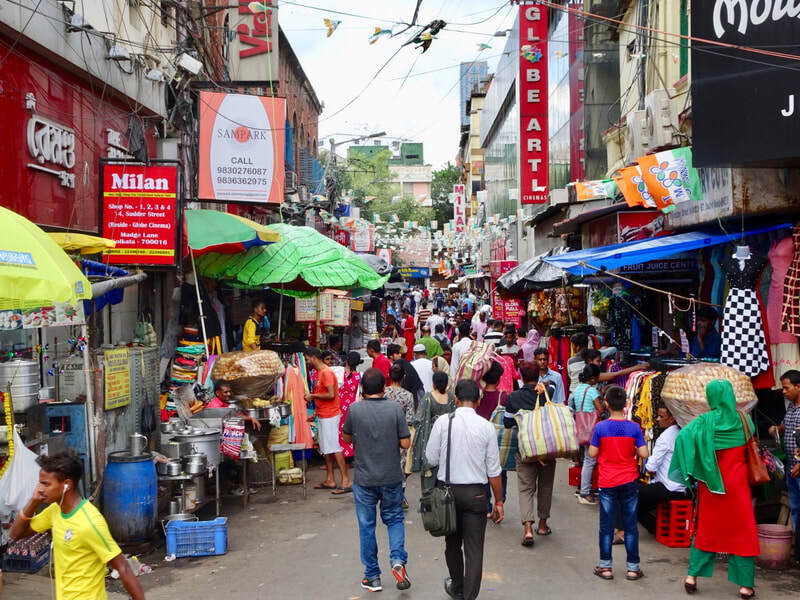
We arrived in the “City of Joy” in the early evening and caught a taxi to our hotel in the New Market area, where we were to join the rest of our party with whom we would shortly be heading into India’s interior for a week of ashram experience. The drive from the airport was an experience in itself, the streets heaving with people, vehicles and noise. So much noise.
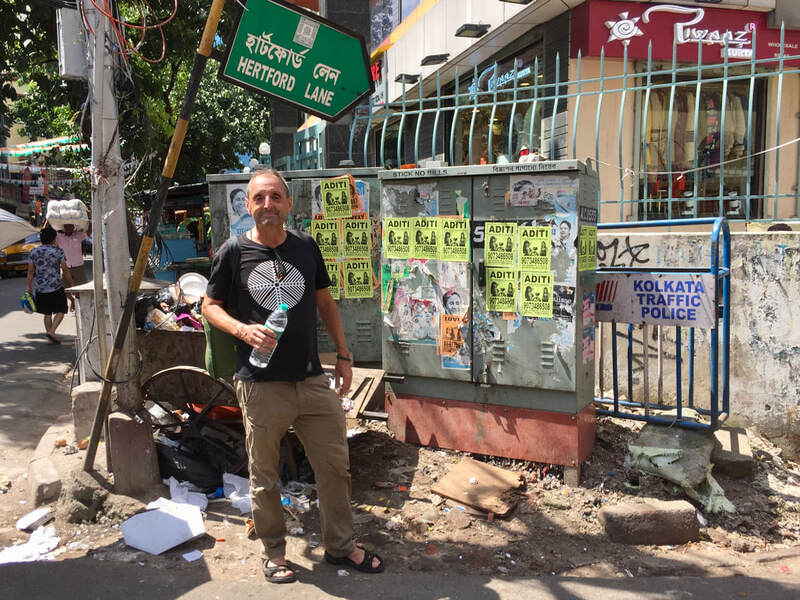
It was hot in Kolkata with the evenings the busiest time, throngs of local people wandering and taking in the market stalls. The mornings were quieter and cooler, and so we decided to head out early for a wander in the streets. Entering one of the local market buildings we were immediately befriended by a growing group of hangers on. If we visited a shop, everyone else came in too and entered into the spirit of selling and haggling. I think their job was to act as commission agents for the market shop-keepers. We bought a small buddha statue and a few other necessaries for our upcoming ashram visit – things like meditation cushions which turned to be a god-send, but more on that later . . .
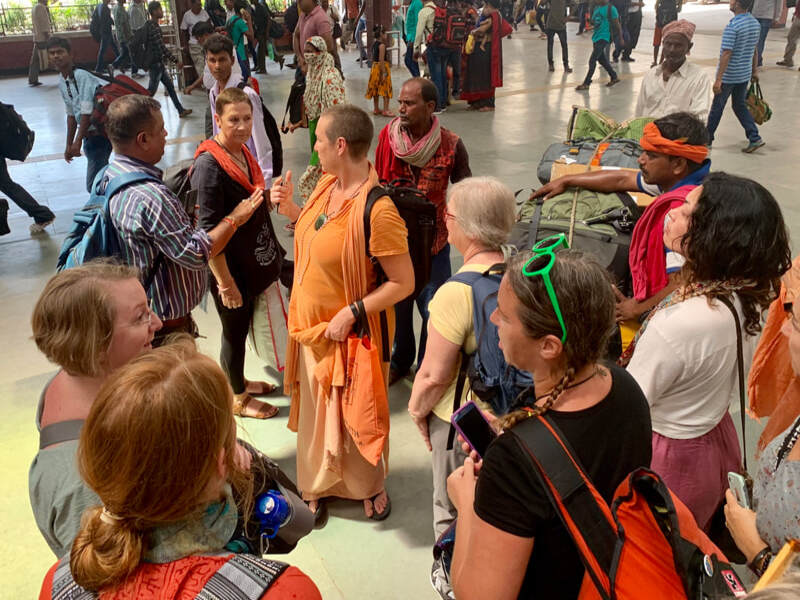
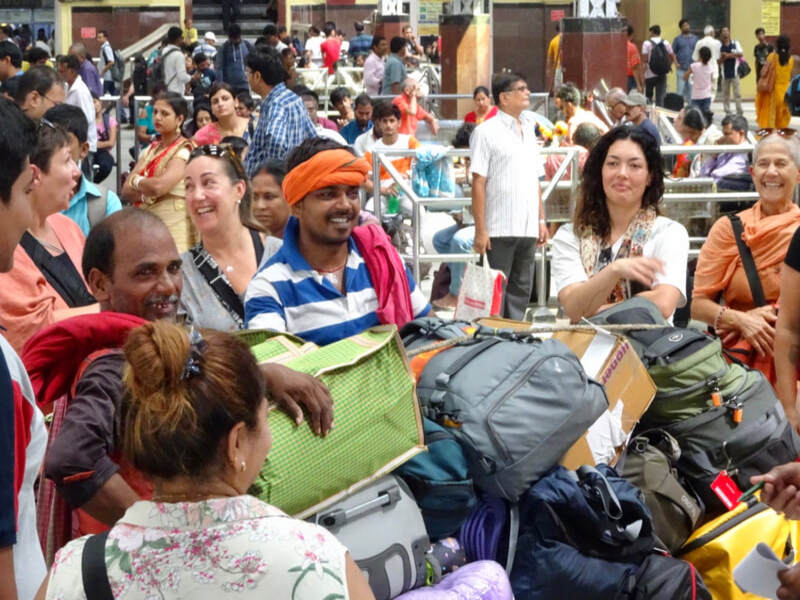
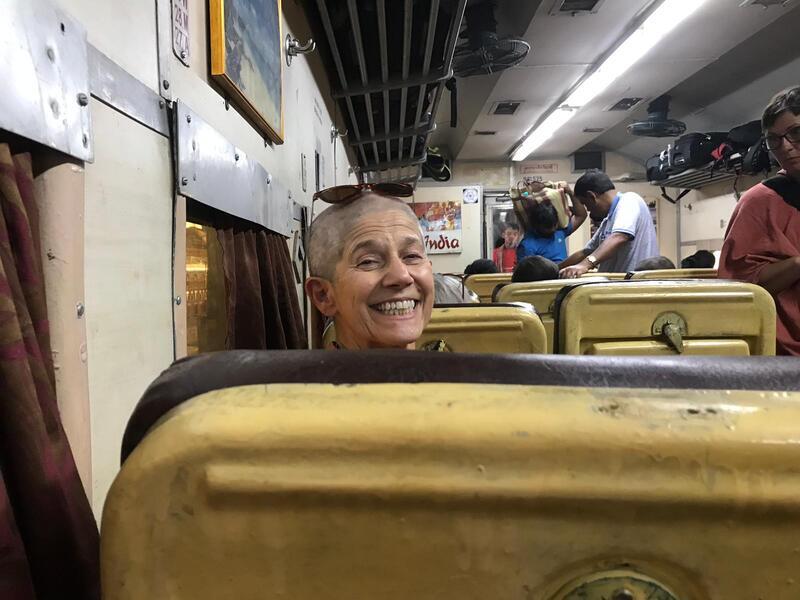
Jolanda and I were booked to study the Yoga chakras – led by Karma Karuna who runs the Anahata Retreat, situated in a beautiful mountain setting overlooking Golden Bay at the top of the South Island. If there is a better teacher around than Karma Karuna, then I have yet to meet them. She is an extraordinarily knowledgeable and humble person – having dedicated herself to a yogic lifestyle while raising a daughter and building a major yoga centre from scratch.
Our typical day started at 4:45 when we woke and got ready to walk from our accommodation to the main teaching hall. After 90 minutes of yoga asanas we enjoyed a simple breakfast (we took turns serving), sitting on a hard tile floor and maintaining a morning silence. Our next lesson started at 9:30 – each day being devoted to one of the chakras (sort of like energy points in the body).
After class we began our morning “seva” which is basically working for the good of the ashram and the community. I was on morning cleaning duties – sweeping out our accommodation. Our third class, yoga nidra and meditation, began shortly after lunch and then in the mid-afternoon we went to our second seva session of the day. Jolanda, with her physio training, helped out at the medical centre while I bagged rice – obviously my lack of any useful or practical skills making me an obvious candidate for this job.
The bags of rice were to form part of a large assortment of gifts to be given to thousands of local villagers at a ceremony in December. There is so much that the Ashram does for the local people. During our week we saw dozens of elderly men and women wearing identical pairs of dark glasses, having just been provided cataract operations. One of the philosophies of the Ashram is to avoid simply distributing “stuff” – there is a sense that if the villagers are helped to help themselves, their future will be more secure. One large group of elderly ladies were paid to sing at the health centre – they were all widowed and hence at an extreme financial disadvantage in Indian society.
It may seem churlish to be critical of an organisation that does so much good – but I did feel a sense that the villagers were sometimes treated more like children than partners in the community. Maybe unfair and if it’s a criticism, it’s a small one.
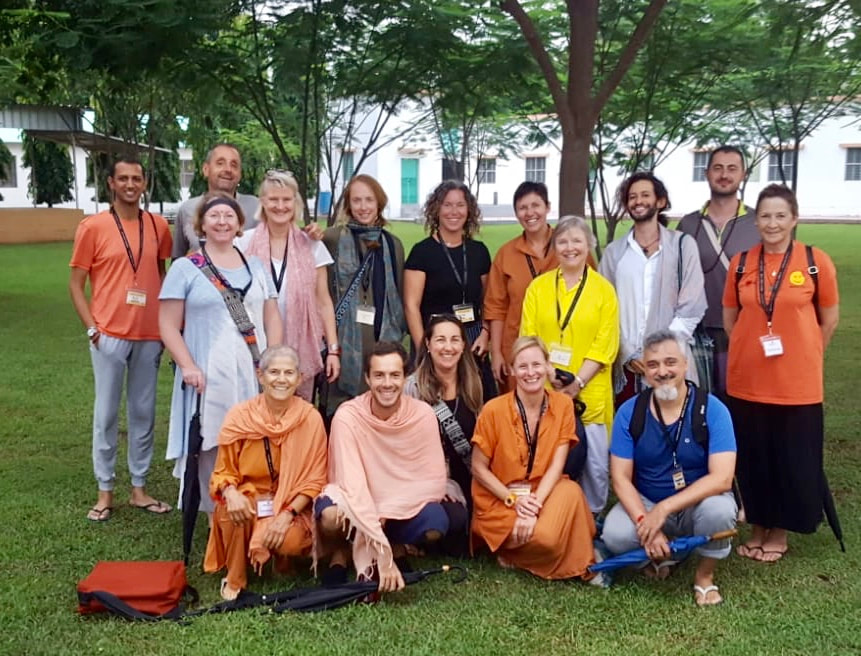
“Shanti, shanti shanti – hari om” is an invocation we chanted daily, representing a hope for peace for ourselves, our community and the world. Sort of sums it up really.
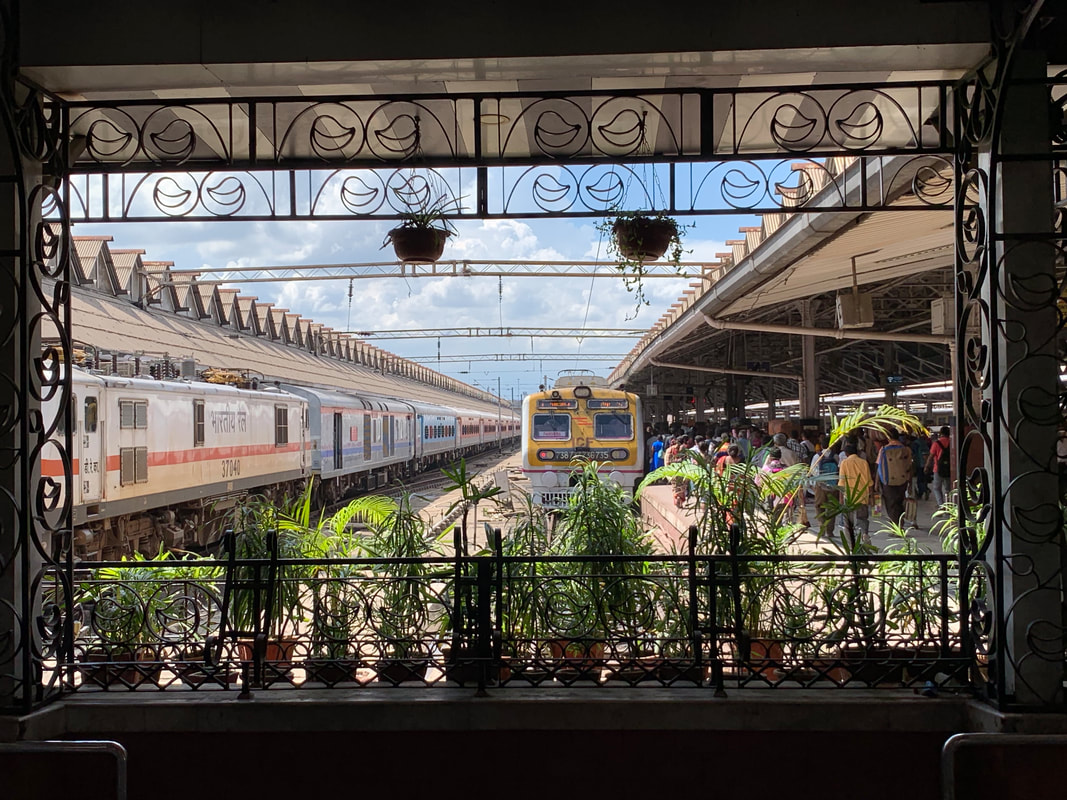
We are now in the train on or way back to Kolkata where we will eventually connect with our flight to Singapore and then on to New Zealand. After six and a half months of travel covering Australia, Indonesia, Spain, Mallorca, Portugal, The Netherlands, England, Ireland, Wales and India – I feel ready to return. Although it will take me quite some time to digest what I have experienced on this journey.
Over and out . . .
From Stoke on Trent to the Beaches of North Goa

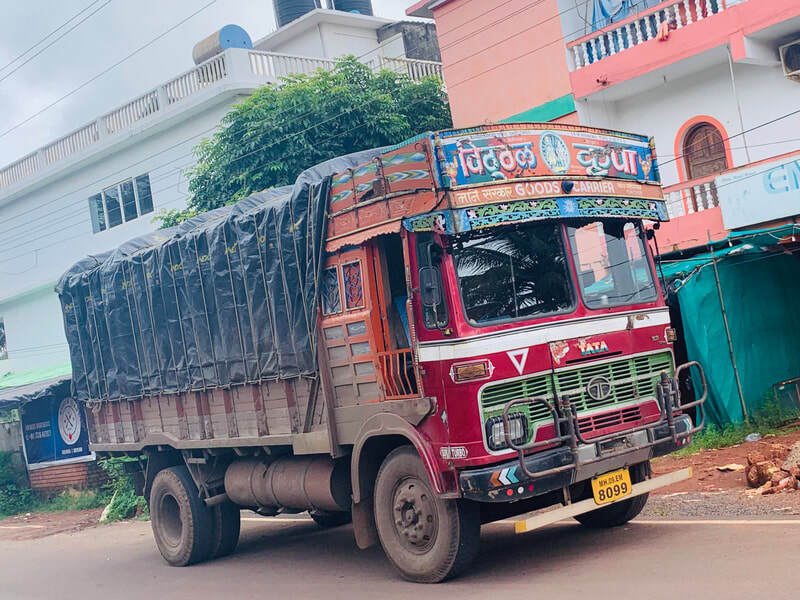
Our taxi ride from the airport was a bit like being on a roller-coaster, but without the safety harnesses. Our driver seemed to enjoy sticking as close as possible to the back bumper of the car in front (until he found a micro moment to pass), all with a continual blasting of the horn and a running commentary of the sights we were passing. It was certainly clear he didn’t like the many cows that nonchalantly blocked the road every ten minutes or so. Having travelled a bit in Asia we were fairly used to this mode of travelling (I still think the tuk-tuk divers in Colombo are the scariest) – besides which we hadn’t slept in about 24-hours and so it all seemed a bit surreal.
At our destination, our quote of 1600 rupees (about $34 for the 90-minute journey) seemed to have risen to 1750 which then became problematic when Lewis Hamilton didn’t seem to have any change for my 2000 note. Suffice to say he got a tip for which I received the broadest smile ever. That small amount of money probably doubled his wages for that day.
Goa is on the west coast of India. Up until 1961 it was controlled by Portugal and hence you spot remnants of those days, including many Catholic churches. It is renowned as a beach destination for international travellers – that is when it is in season. We cleverly picked our time in the middle of the monsoon time – it rained most days but for no more than an hour or so which cooled things down considerably. We loved roaming the streets – there are no pavements and so we simply wandered along the side of the roads, calmly noting the toots as well-meaning drivers warned us of their presence. The people are very laid back – not effusive in their greetings like the people of Bali or the Phillipines – more circumspect and chilled.
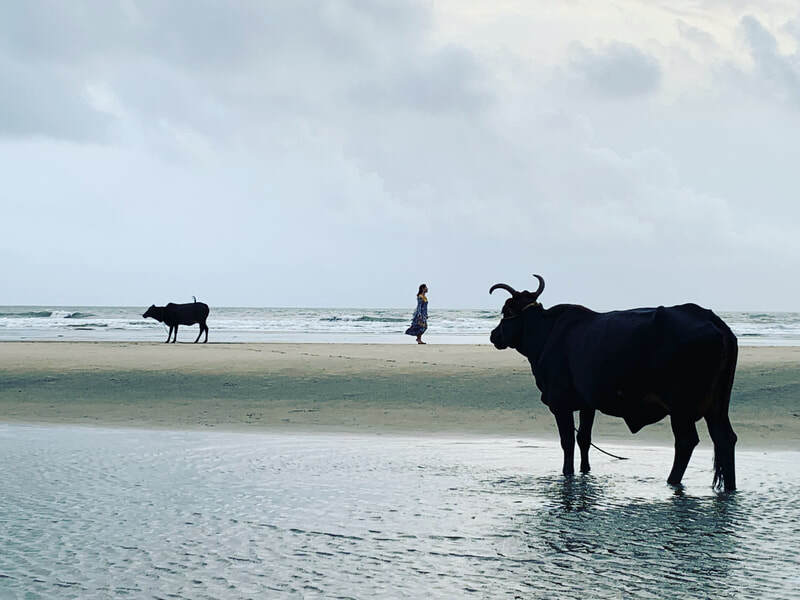
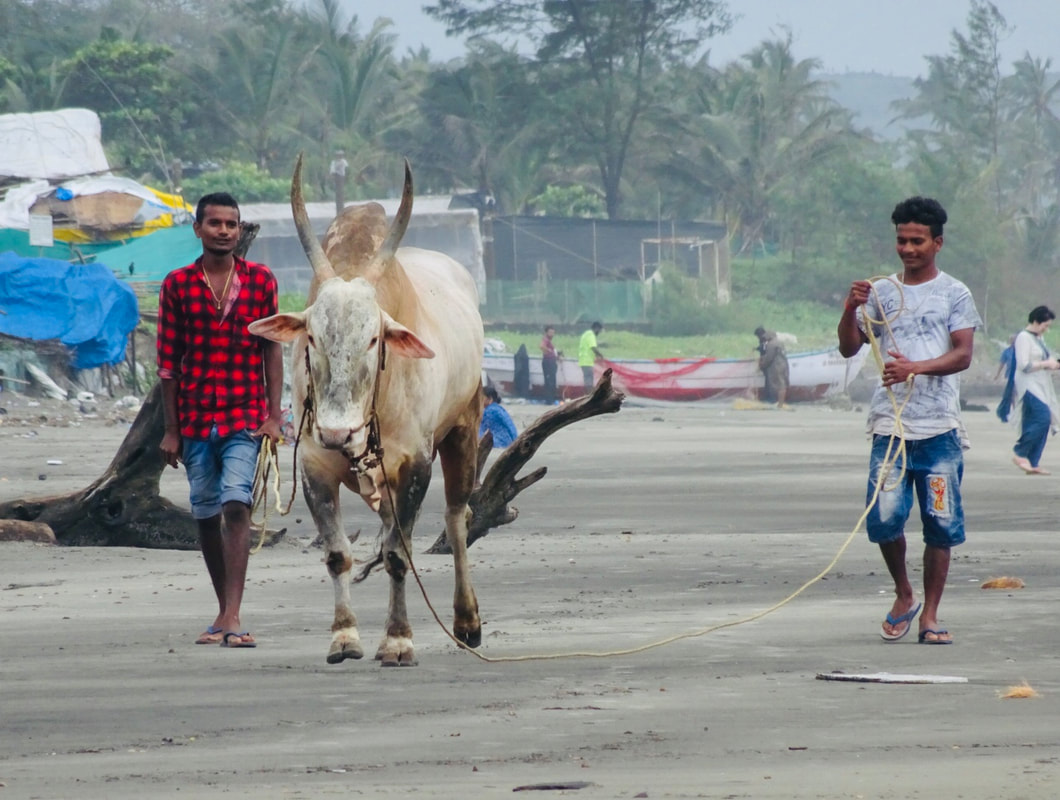
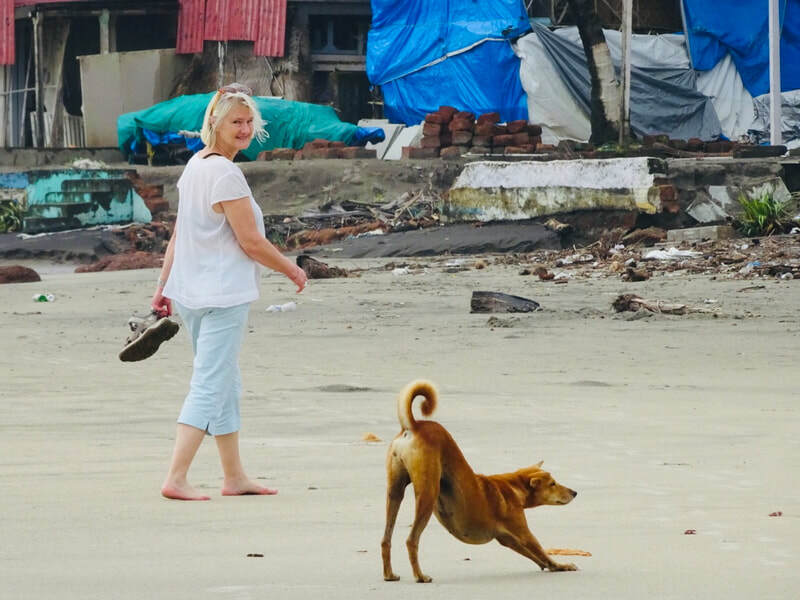
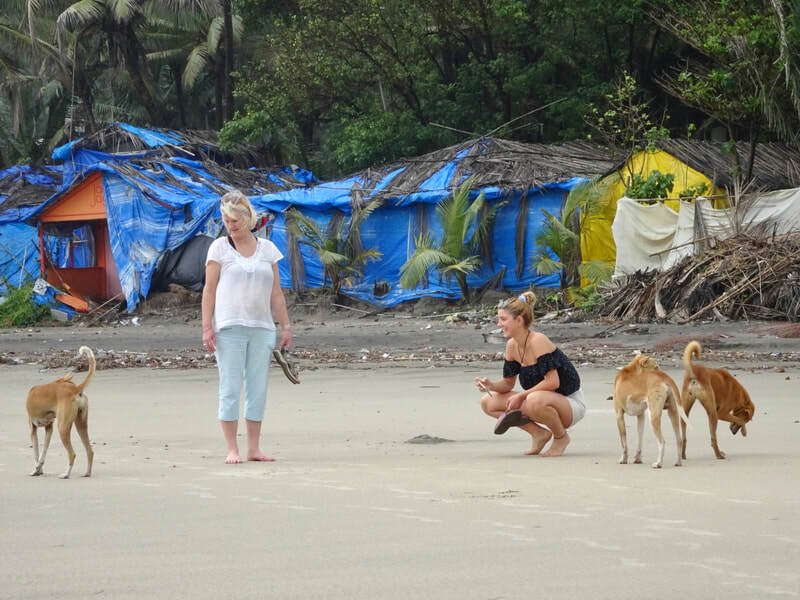
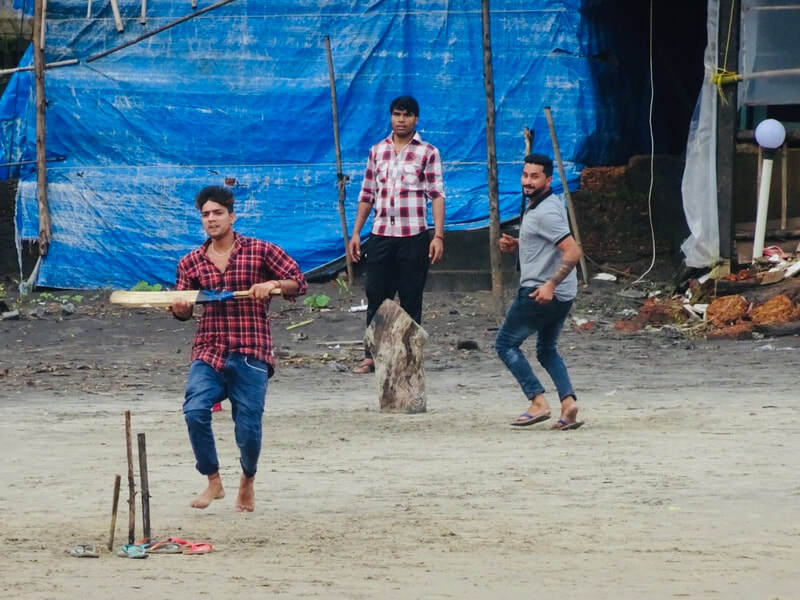
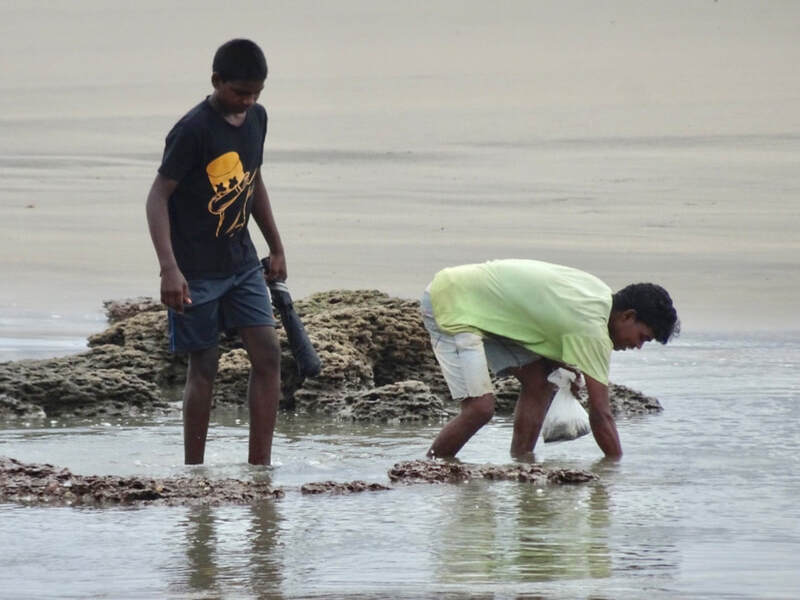
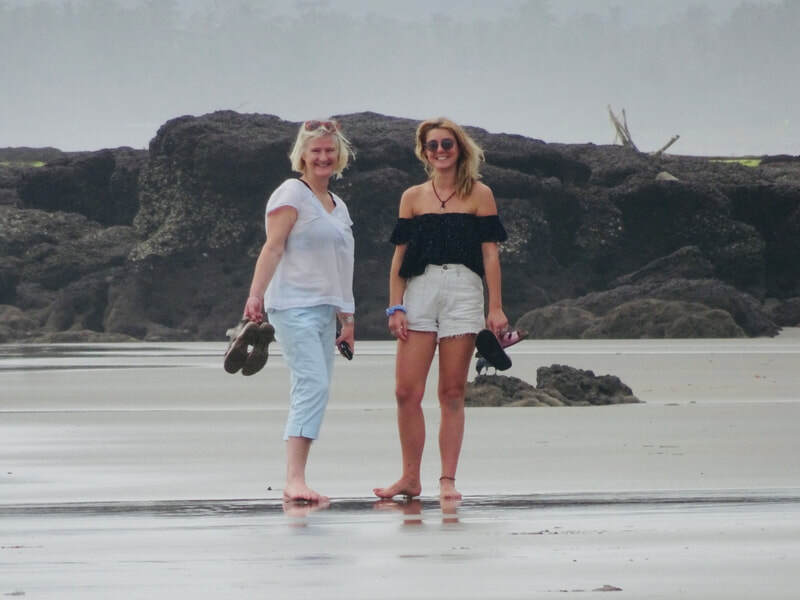
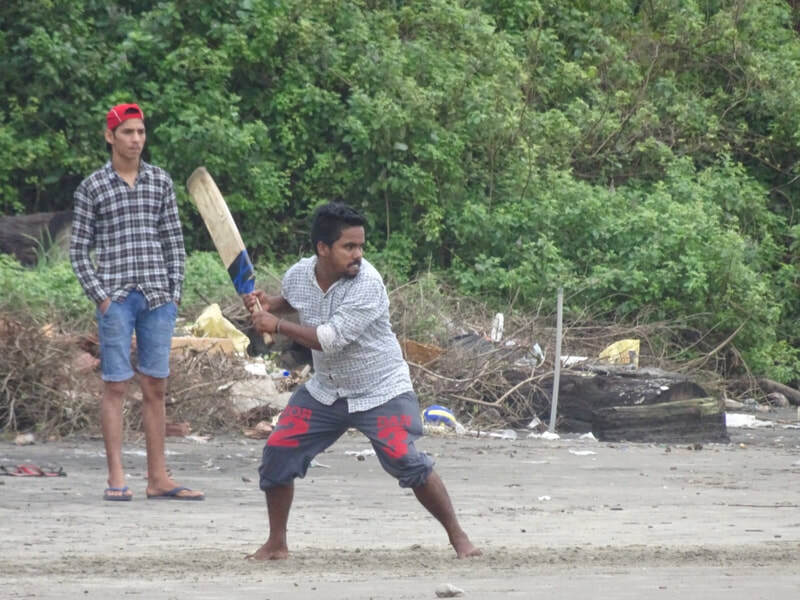
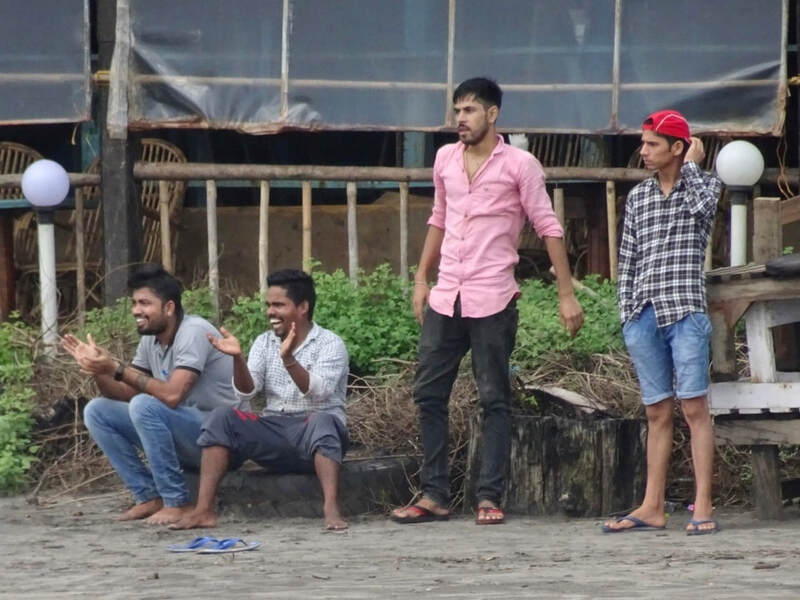
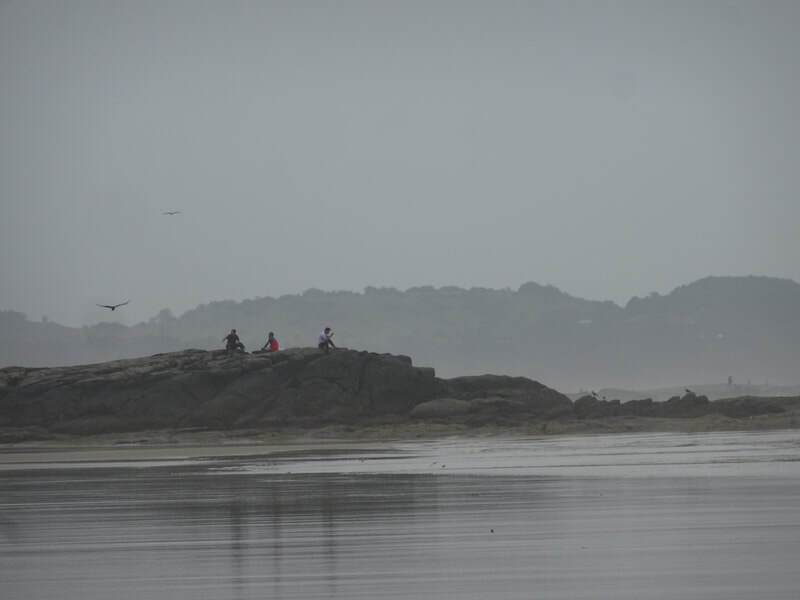
Morjim Beach was simply beautiful, but so disappointing to see so much plastic rubbish washed up. We made a decent walk one early evening – the beach dotted with local families coming out to paddle or, in the case of one couple, furiously snog. There wasn’t a European looking tourist to be seen. All the dogs in the area seemed to have deserted their lazing-around spots in the middle of the road to park themselves on the beach to admire the sunset. The odd cow would progress past along with its owner and there was an excellent game of cricket going on.
Snowdonia – majestic, but not exactly a tropical paradise . . .
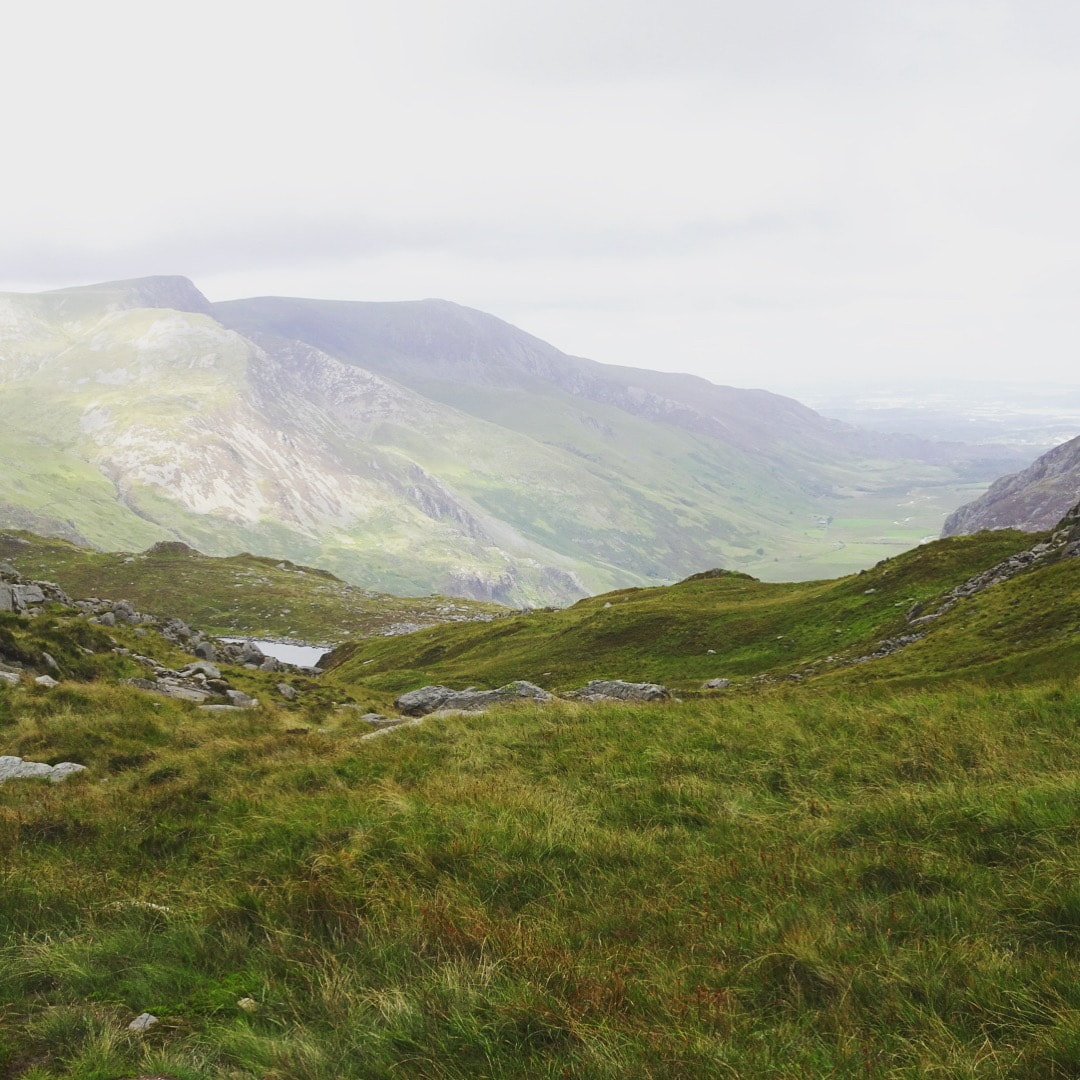
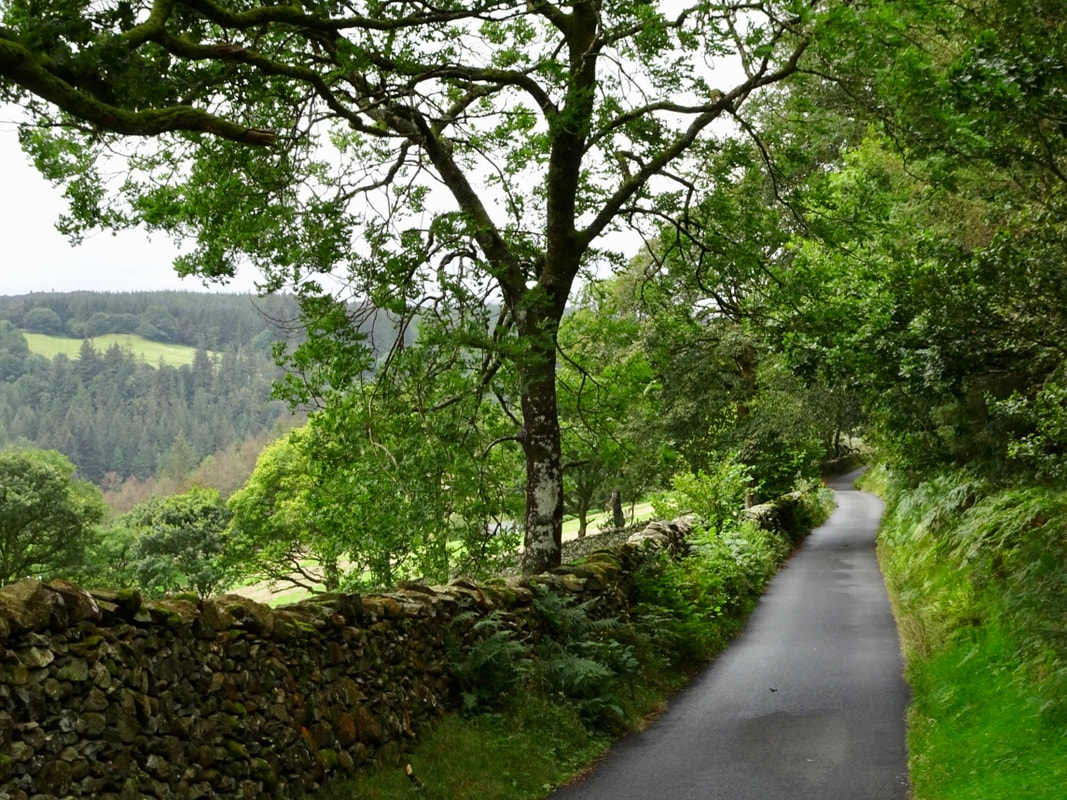
It was a short drive across from the Lake District to the village of Bethesda at the northern tip of Snowdonia National Park. Jolanda is booked into an Ayurveda course at the Snowdonia Mountain Lodge, owned and run by an organisation called Dru yoga. Dru was founded by a group of students at the nearby Bangor University around forty years ago and now has centres around the world. The Welsh centre in Snowdonia is set against a backdrop of towering mountains and is home to the UK’s first peace flame monument.
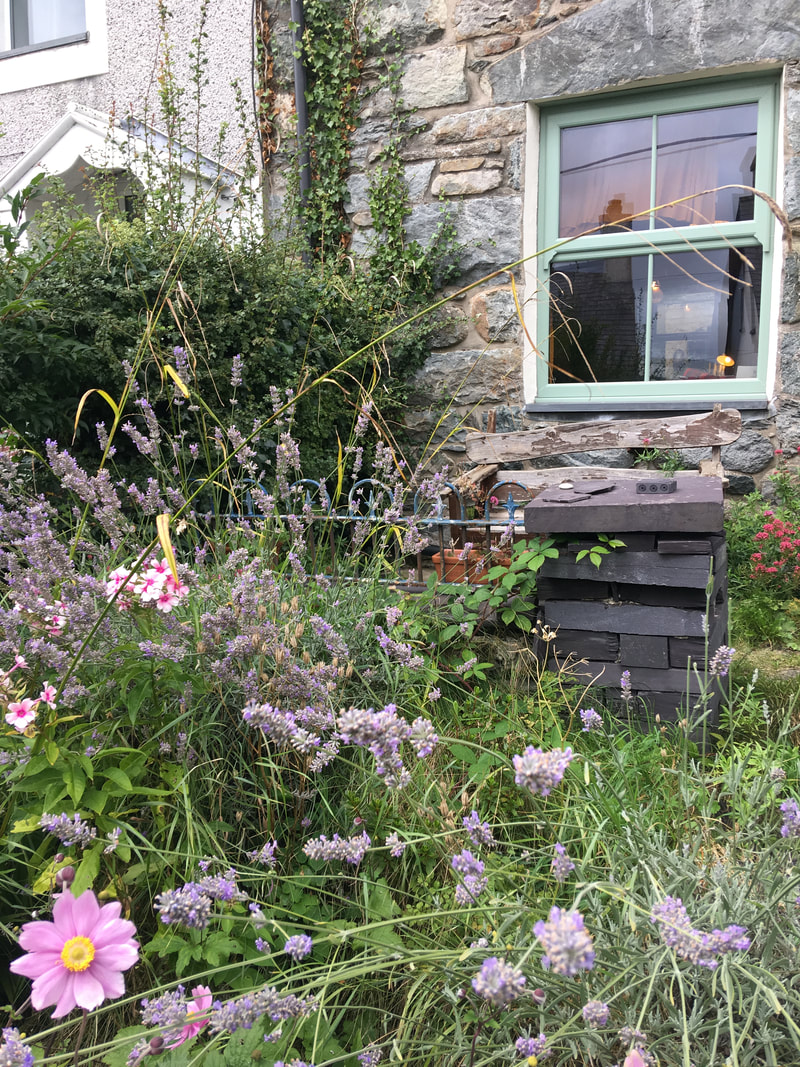
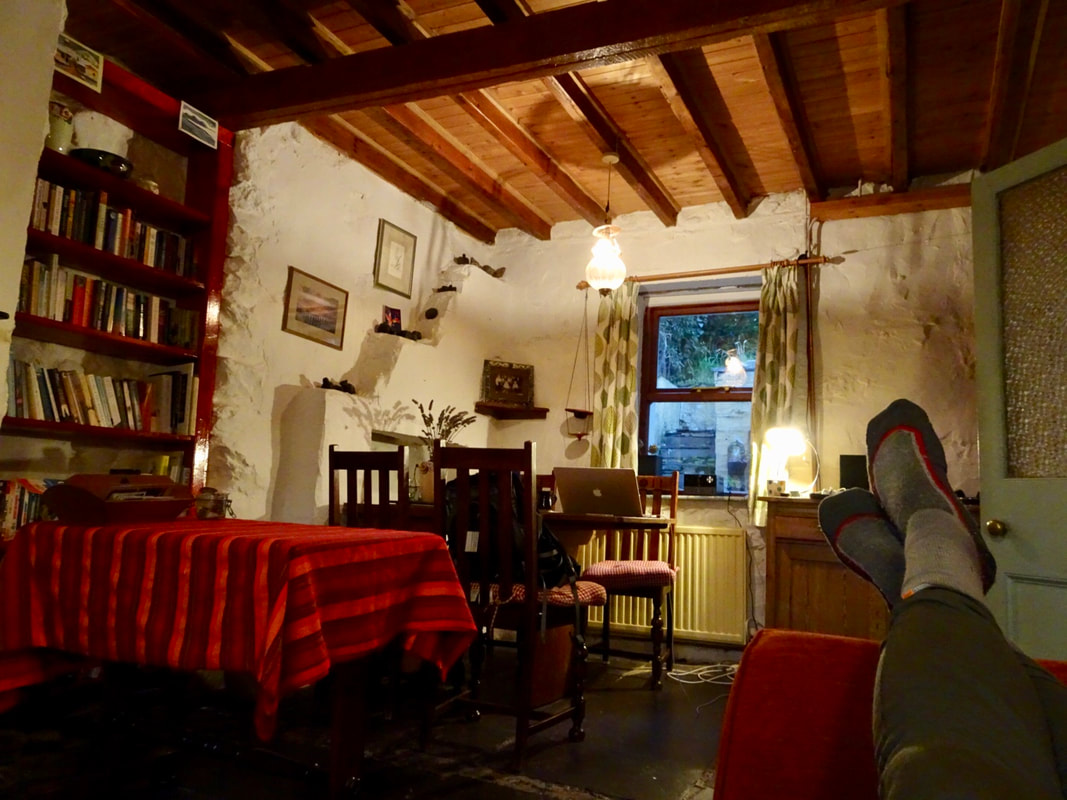
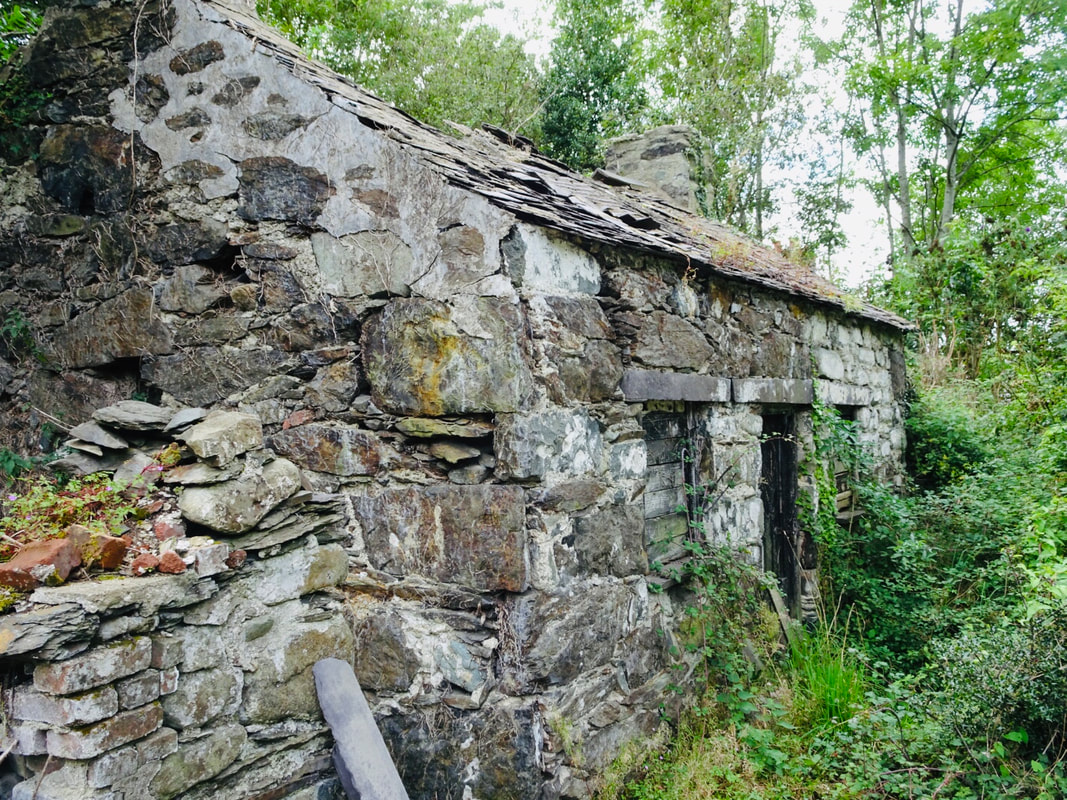
I have rented an Airbnb close by – an old miners cottage with heaps of character. After staying in so many holiday rentals around the world, I can definitely say my favourites are the quirky ones. It feels as though the owners of this place just popped out to the shops before I arrived – the rooms are filled with books and ornaments, cupboards and drawers packed full of personal possessions and family photos are everywhere. The result is somewhere that feels cosy and lived in . . .
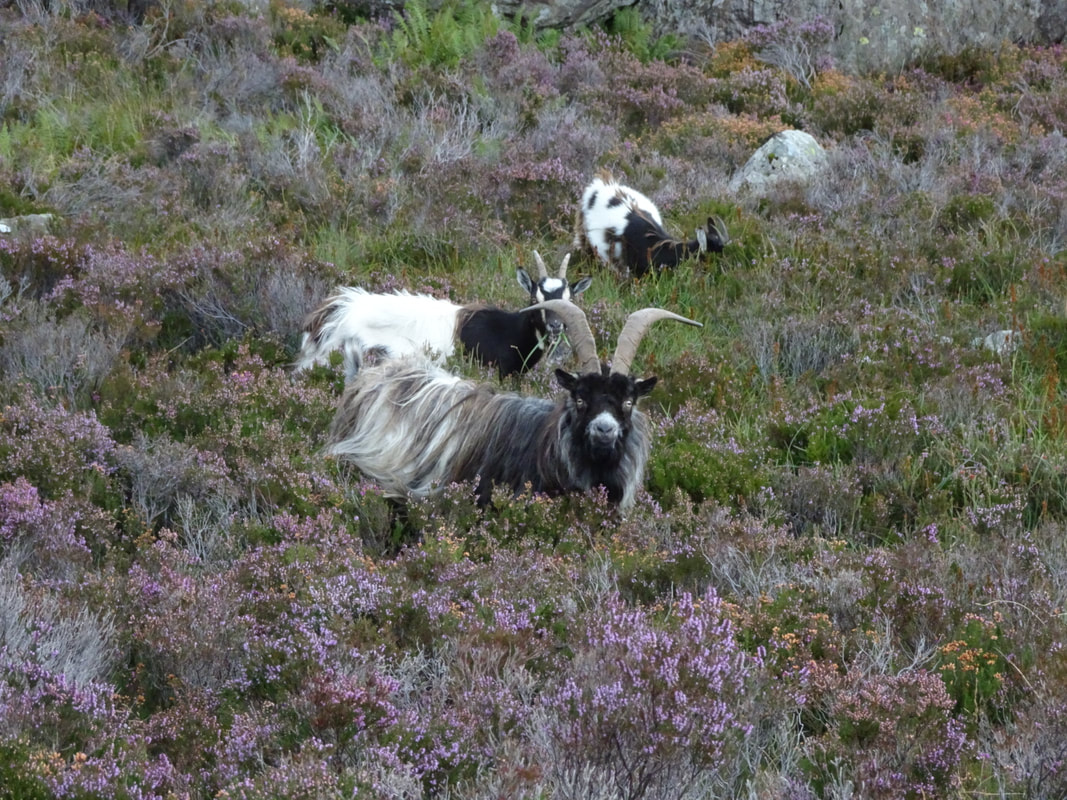
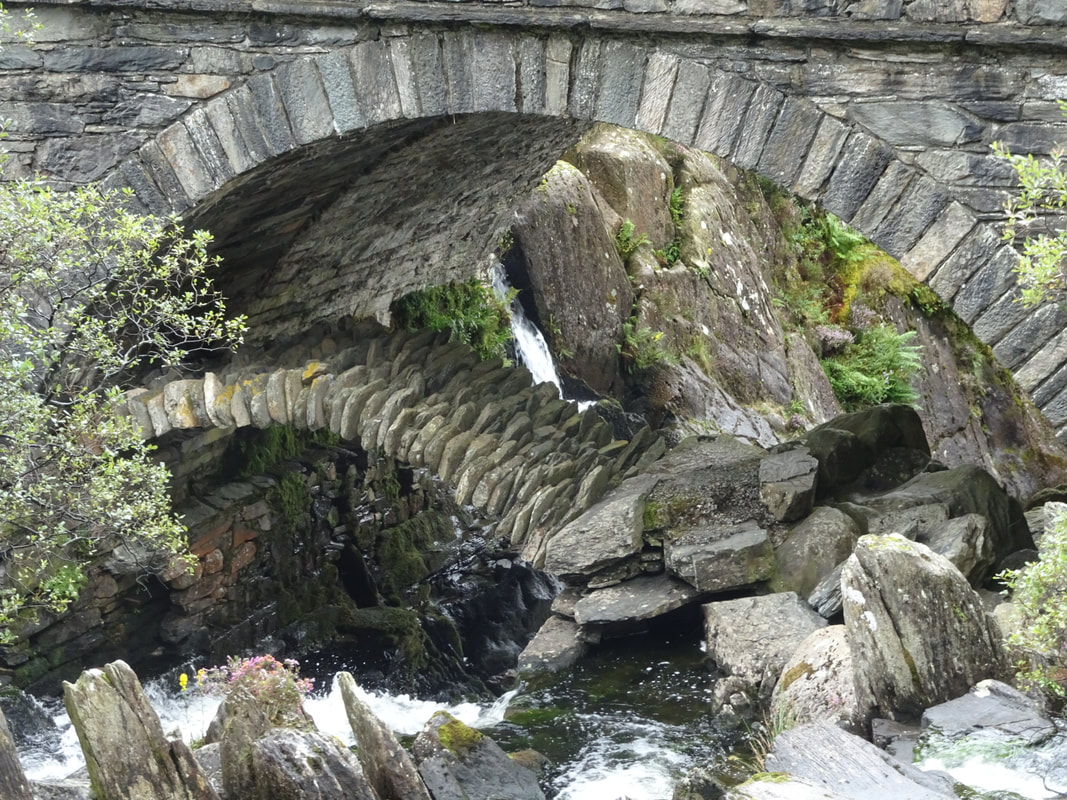
I have to admit becoming a bit of a charity shop fan. A few years ago you couldn’t get me in one, but with my new found enthusiasm for recycling I have come to actually enjoy the experience of “op” shopping. And Bangor (Wale’s oldest city and just a few km from our accommodation) is busting with them. British red Cross, Oxfam, Wales Air Ambulance, Cancer Research – they just go on and on up the High St. If I am an enthusiastic participant, Danielle is the undoubted Queen of charity shops – and so we spent a good morning checking out all the Bangor has to offer in terms of second hand clothing and other tat.
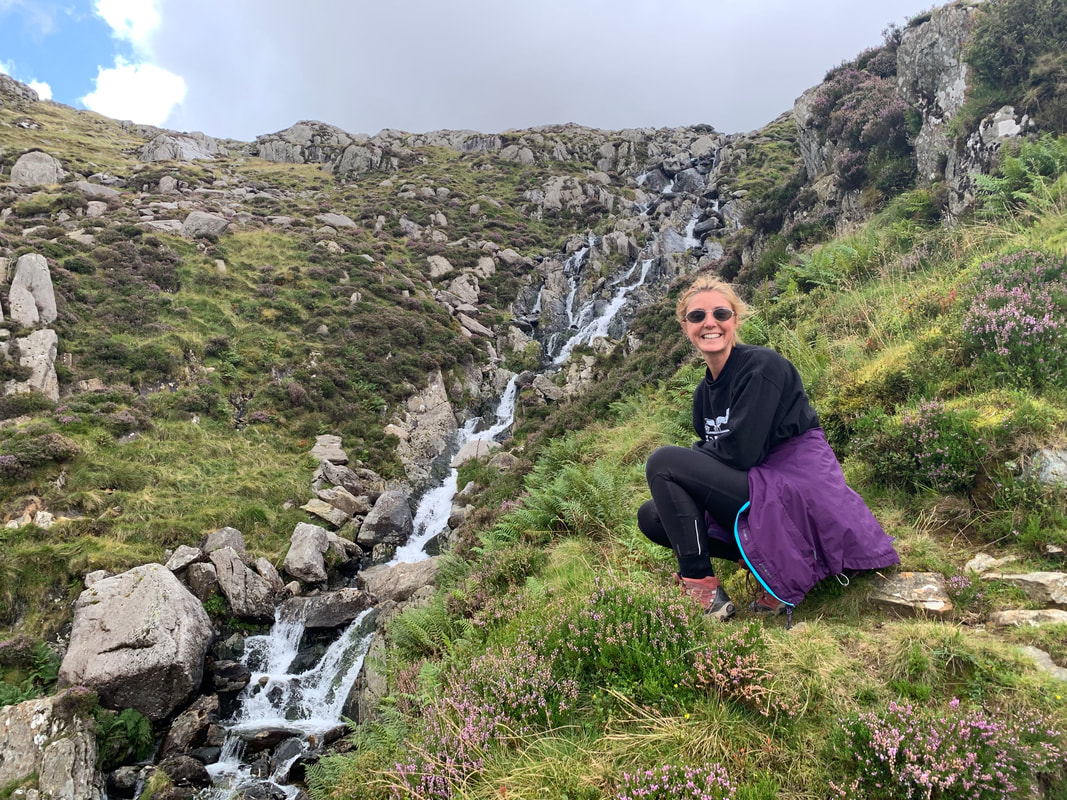
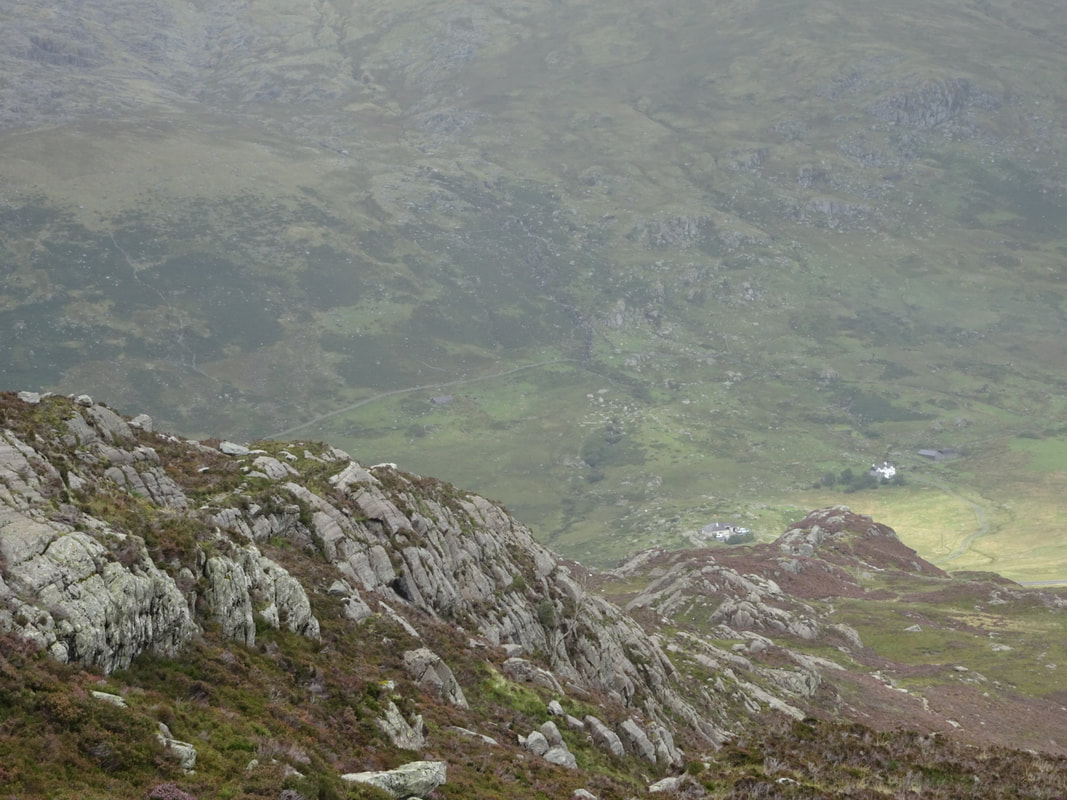
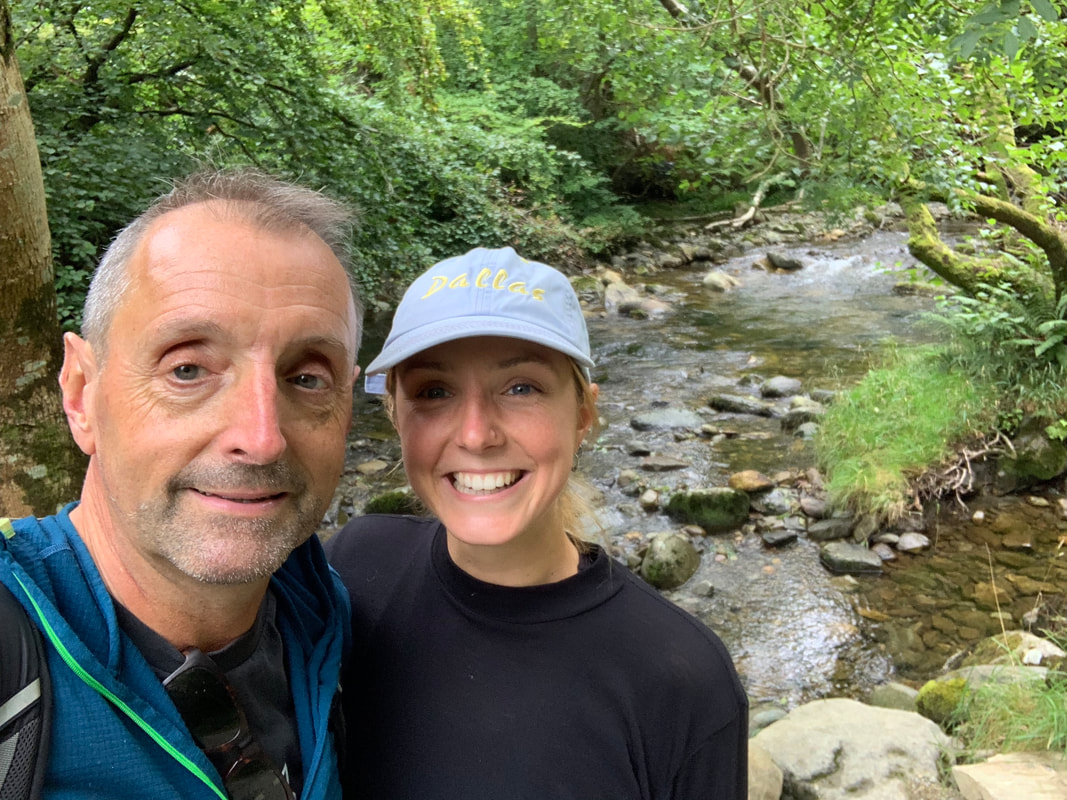
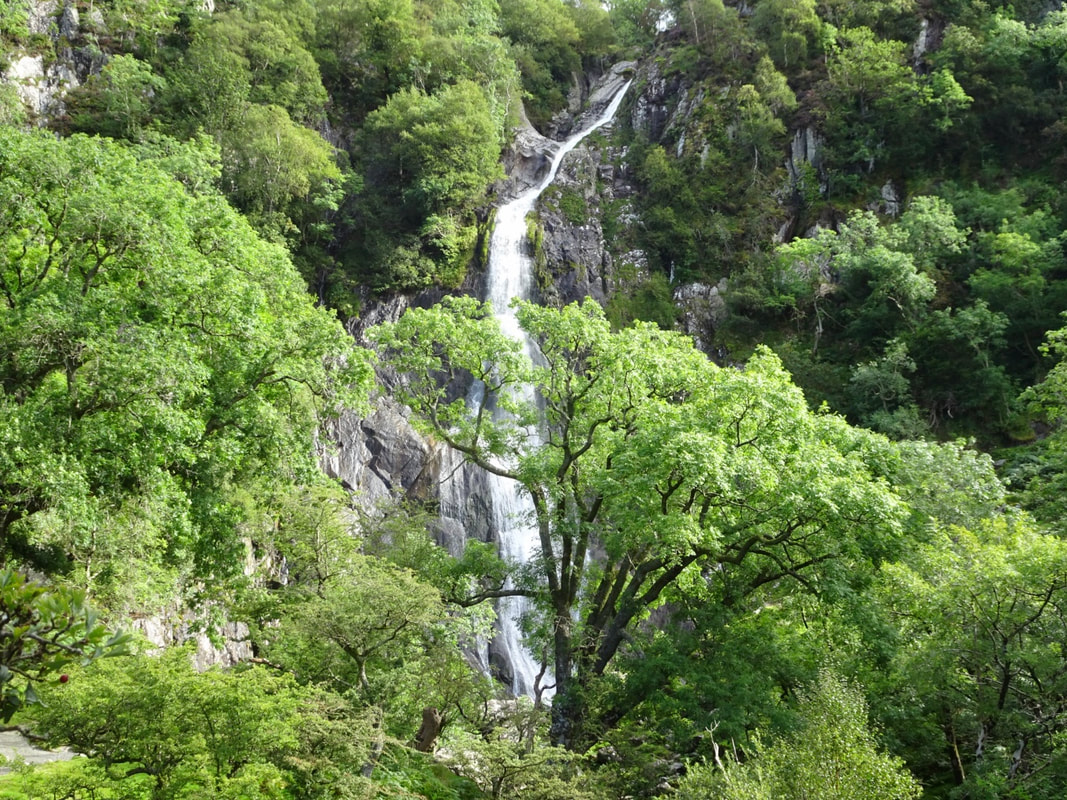
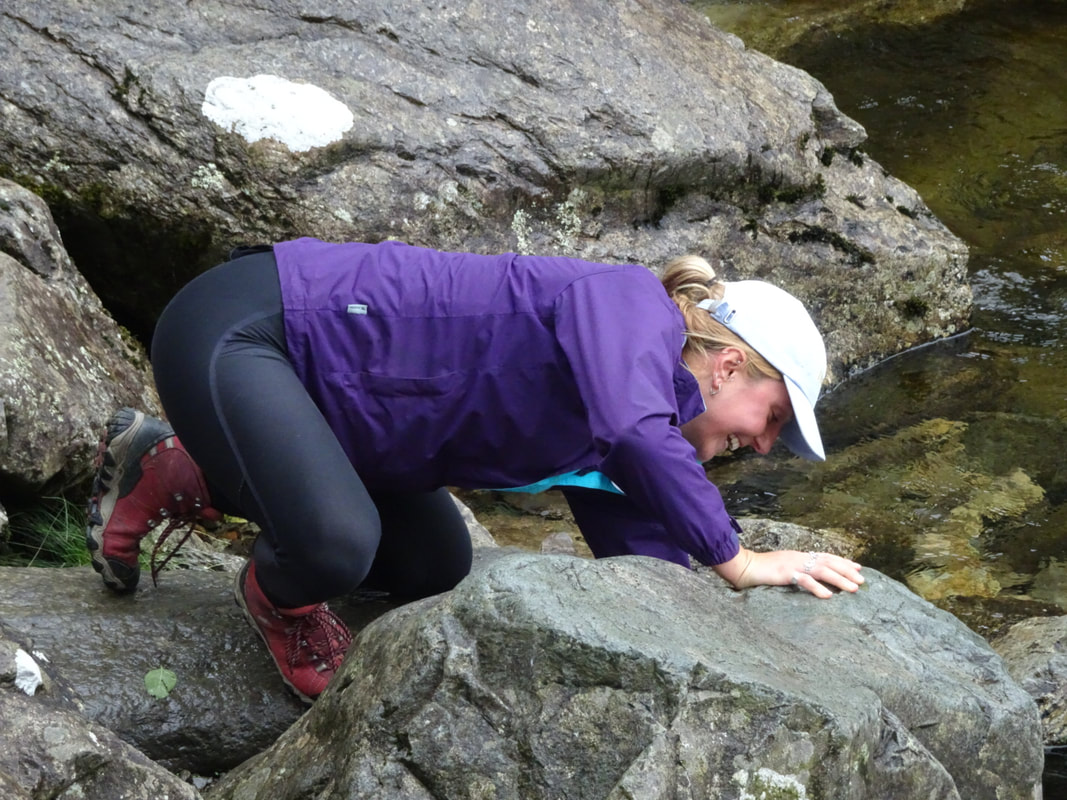
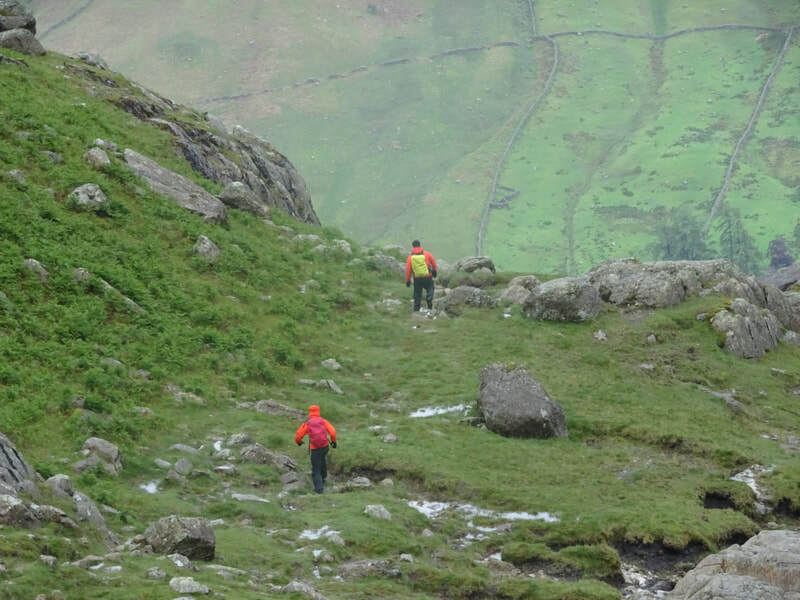
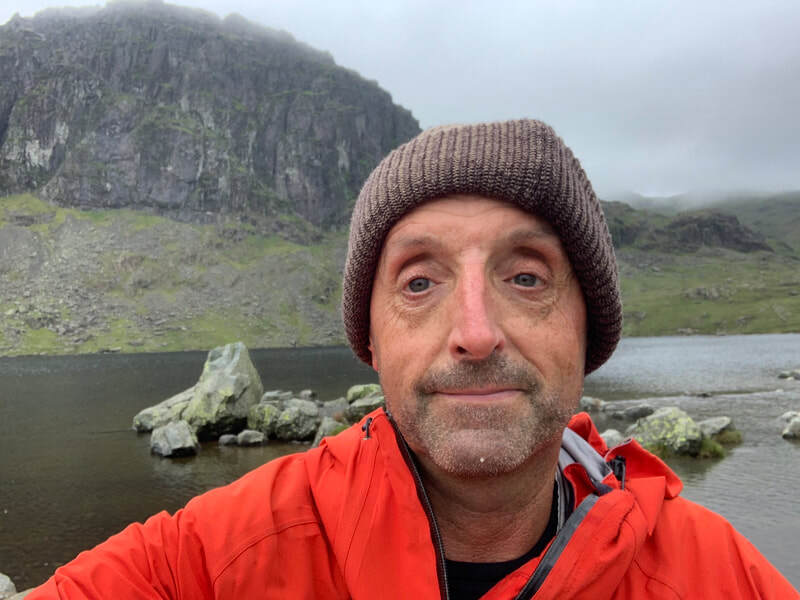
Snowdonia is, of course, a mecca for tramping and hiking. We decided to travel to the Ogwen valley and walk up Mt Tryfan. We refrained from scrambling to the top due to high winds however the hike was simply stunning. From the Ogwen Visitors Centre (a visitors centre with strangely very little visitor information but with good sausage rolls) it is a steep ascent up to Llyn Bochlywd, “llyn” meaning lake in English. From the Llyn you can either head straight up to the summit of Tryfan, elevation of 918m, or skirt around the top which is what we did. An equally steep descent brought us down to the larger Llyn Ogwen where we made our way along a boggy track around the lake and back to the Visitors Centre.
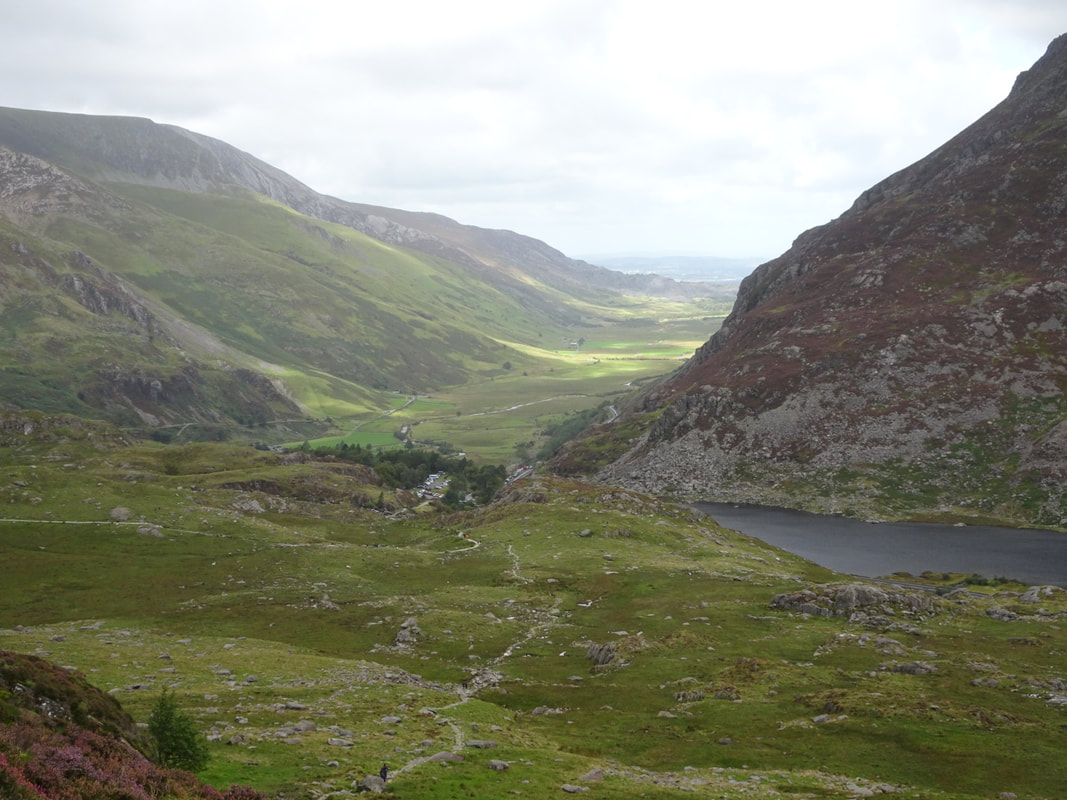
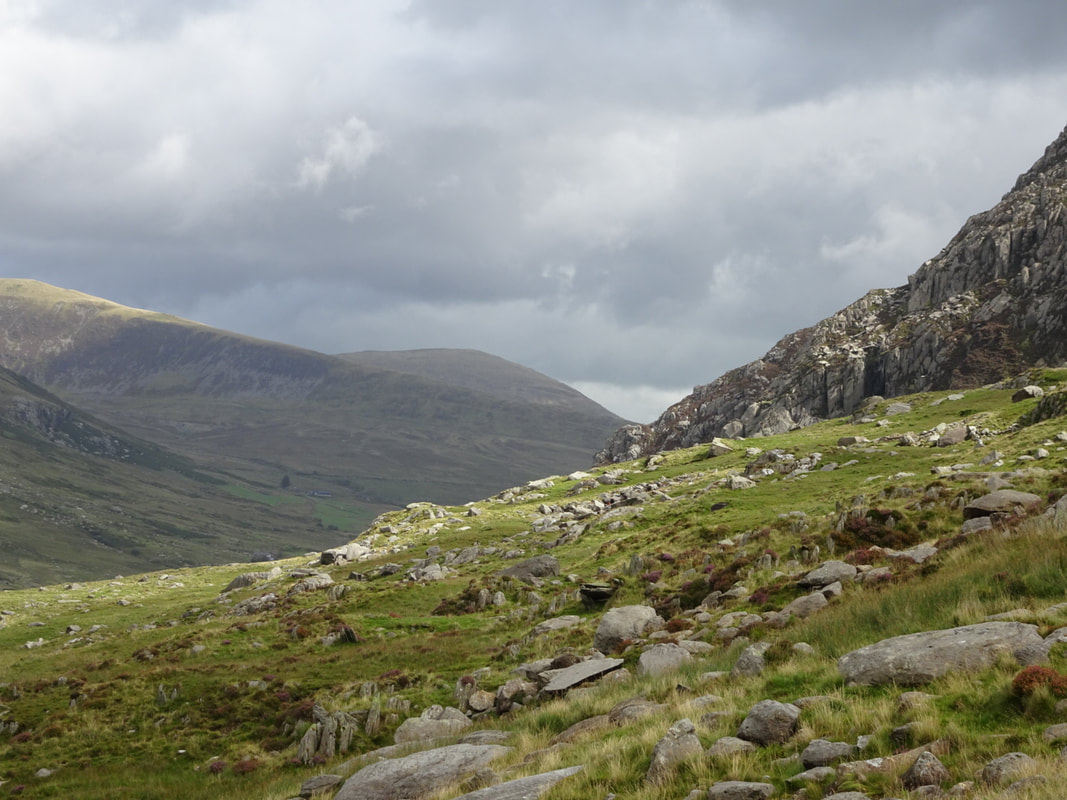
Our next stop, and last for the UK before leaving for India, will be a short two days in Stoke on Trent.
My Geordie roots . . .
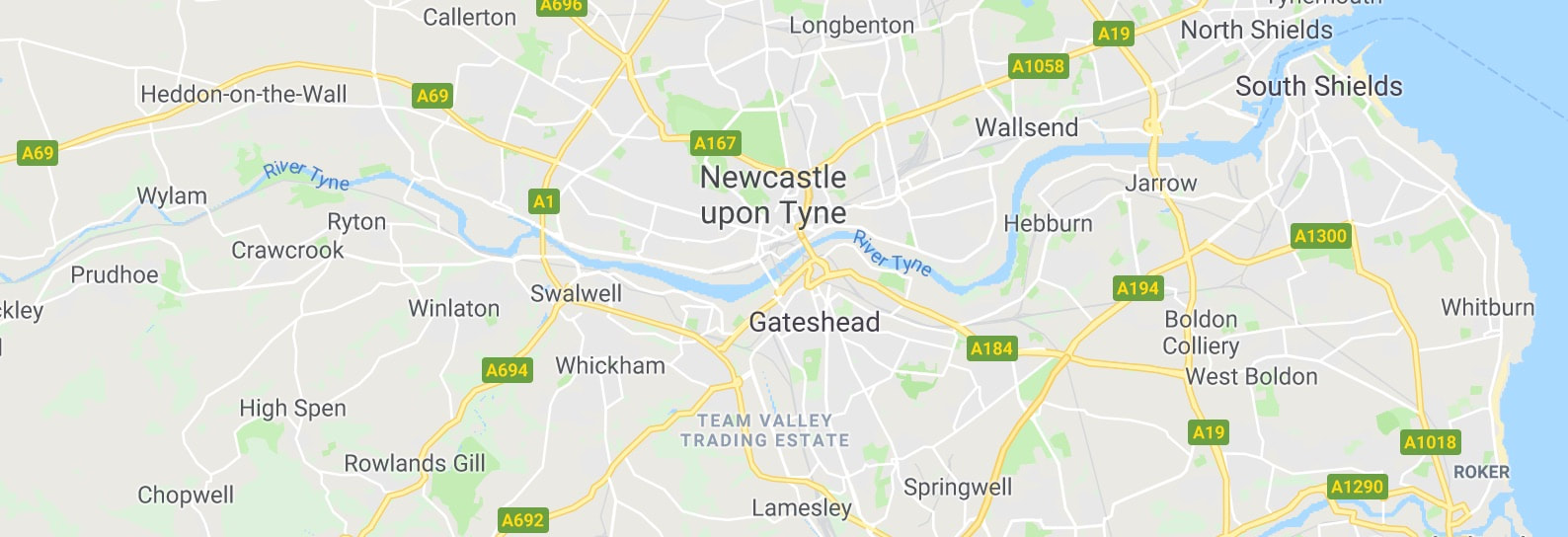
Jo and I flew direct to Newcastle from Dublin and stayed with very good old friends Claudia and Geoff. Claudia was one of the original members of the Wellington Dutch Mother and baby group set up by Jolanda in the mid 90s. Claudia and Geoff live in a gorgeous old farmhouse in a village called Prudhoe on the outskirts of Newcastle – with rolling hills and farmland as a backdrop. Claudia is an excellent artist and textile designer – Geoff a tutor, gardener and budding beekeeper.
Osborne Rd is now quite a trendy area of Newcastle with cafes, shops, bars and many small hotels. We visited the house which has been turned into apartments (we counted ten doorbells) and wandered around the neighbourhood – including of course a visit to yet another charity shop where we added to our burgeoning collection of clothes for travelling.
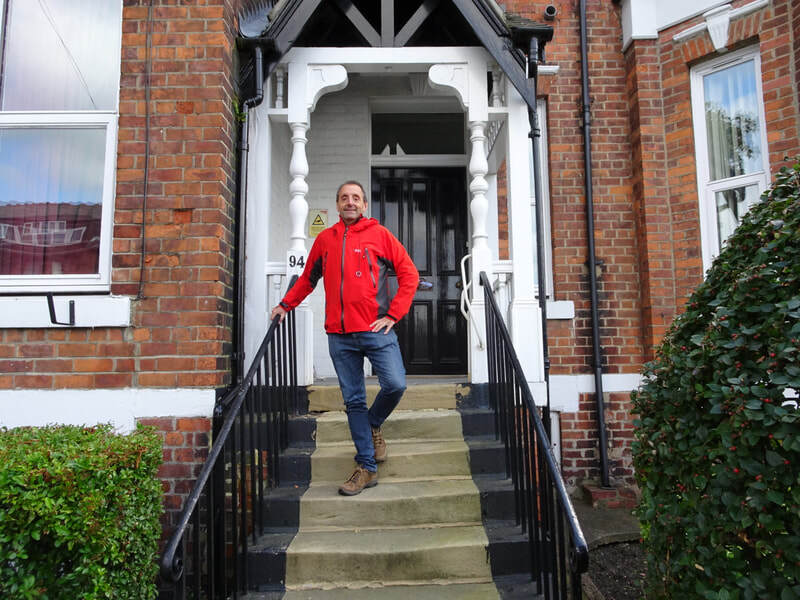
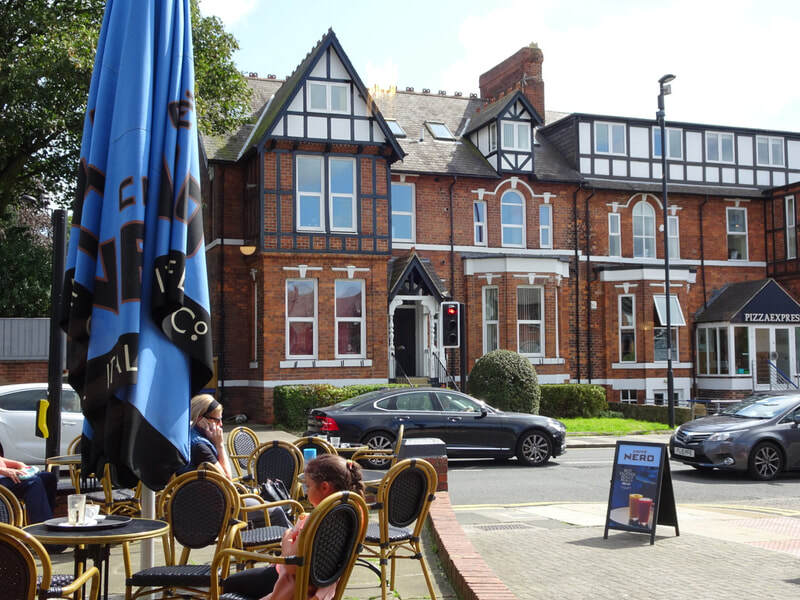
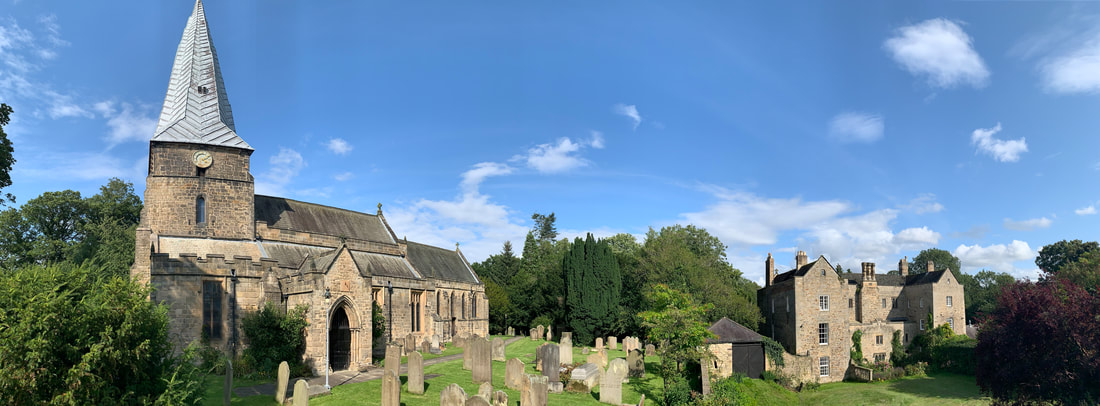
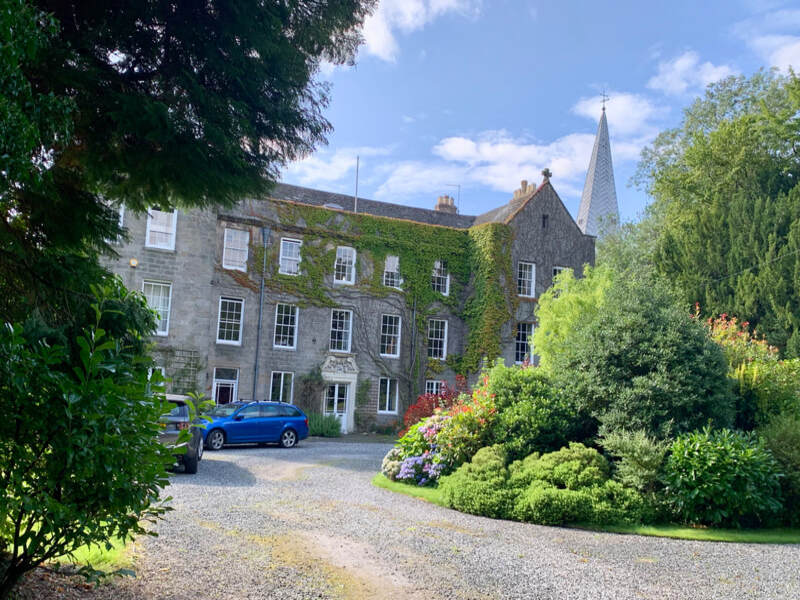
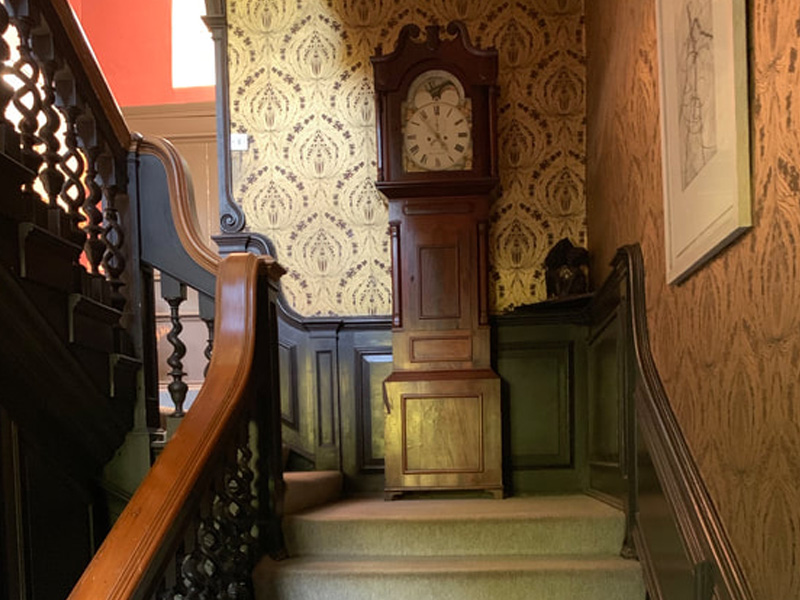
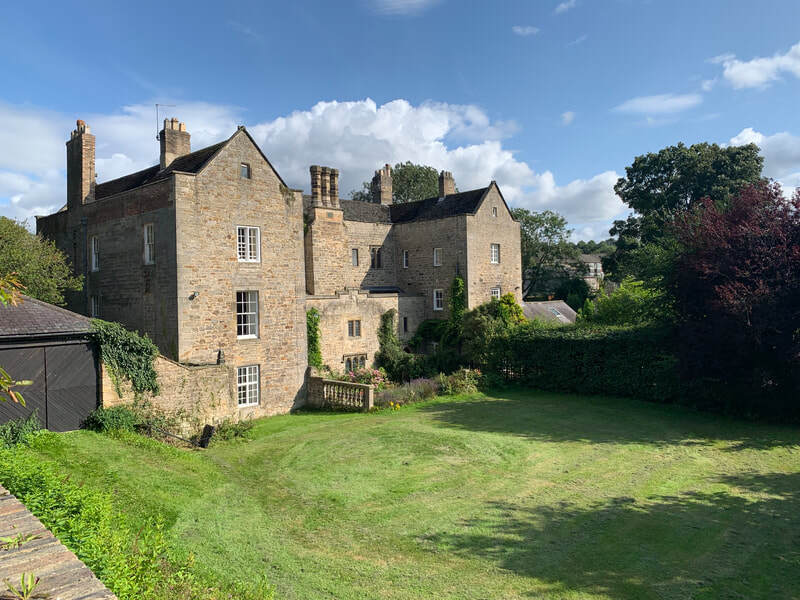
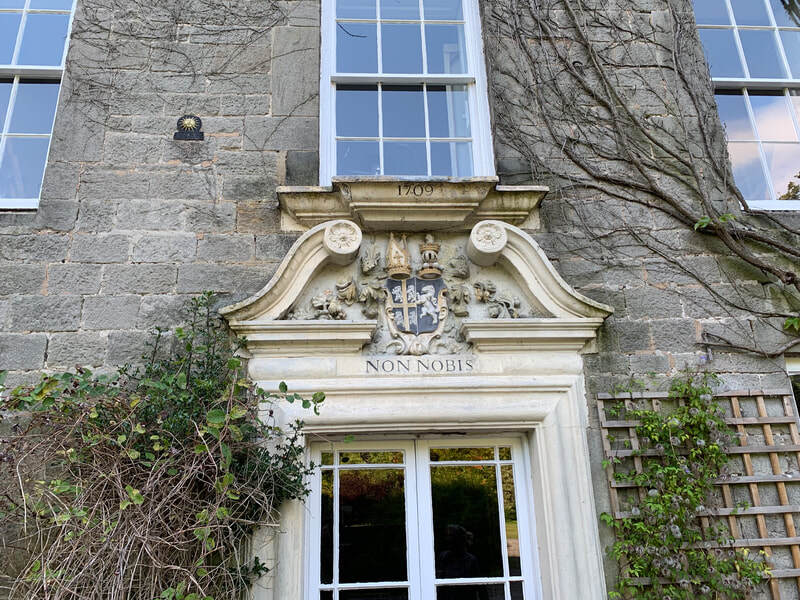
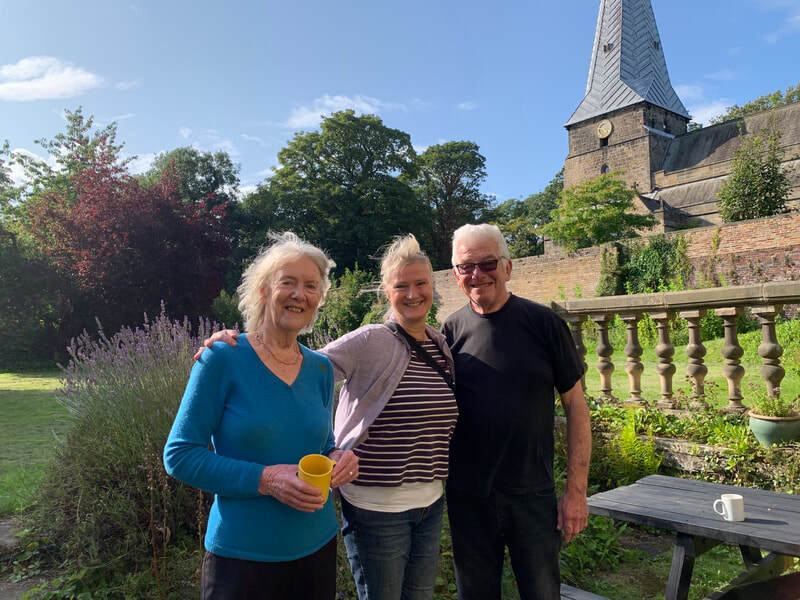
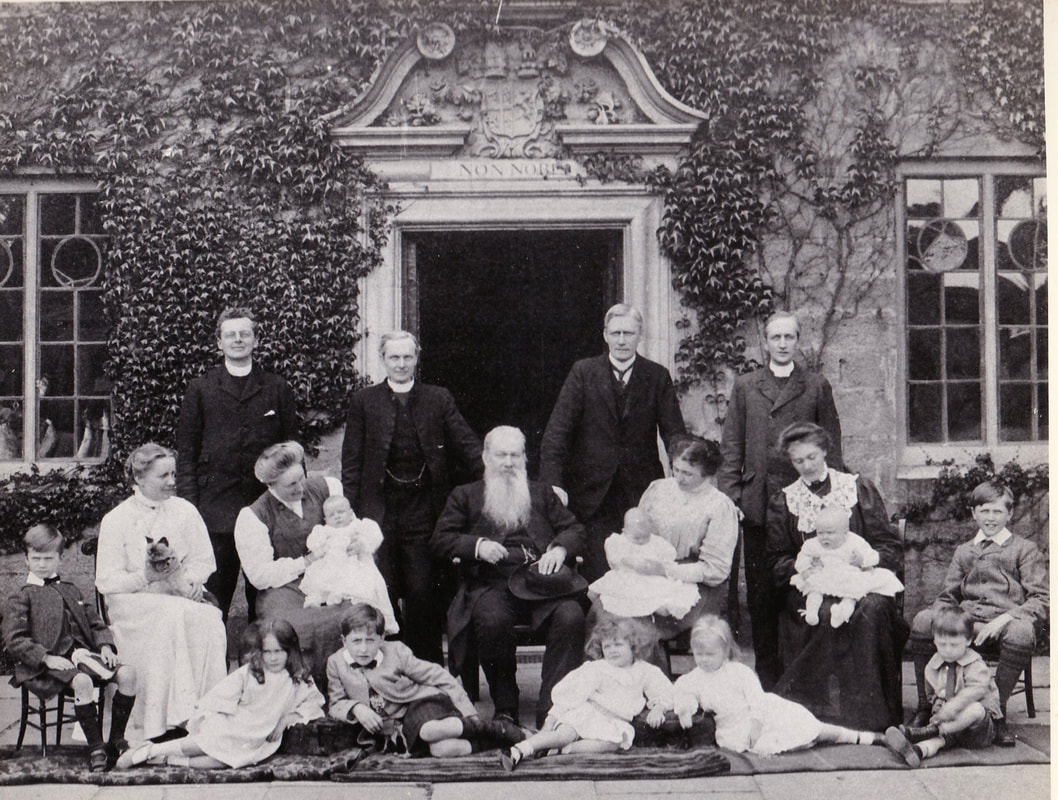
By the way, the photo at the beginning of this blog is taken in front of Ryton Rectory. My Great Great Grandfather is the one with the impressive beard seated in the middle. My Granny is at the bottom left.
The rest of our time in Geordie Land was spent feeling a little under the weather – both of us still getting over the bug we had picked up in Ireland. My recovery of course wasn’t helped after an evening with Geoff on the whiskey. But we couldn’t have picked a nicer and more welcoming atmosphere to convalesce in – see you in New Zealand in the new year Claudia and Geoff . . .
From Newcastle our next destination is North Wales via a short stop in the Lake District . . .
The Emerald Isle
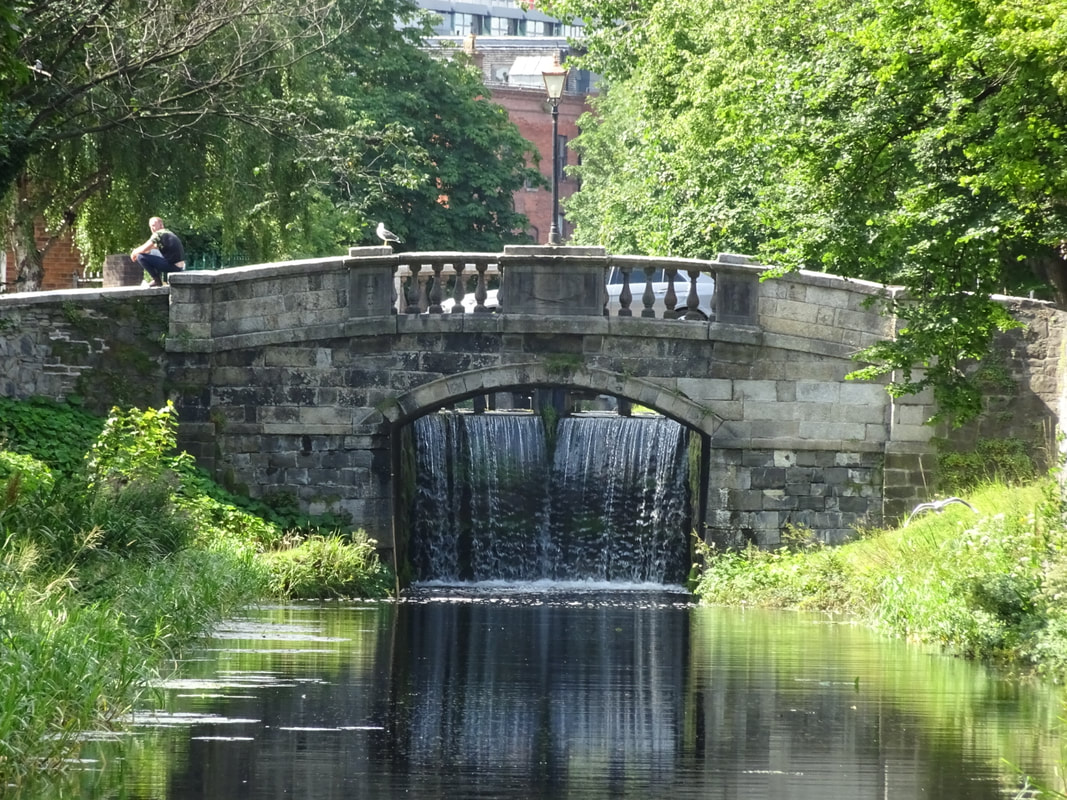
Dublin is seriously cool. With a population of 1.2 million (fifty percent aged under 25 which makes it the youngest city in Europe), Dublin sits on Ireland’s east coast at the mouth of the River Liffey. And with ten million pints of Guinness produced daily, it’s easy to understand Dublin’s popularity as a place to live and visit.
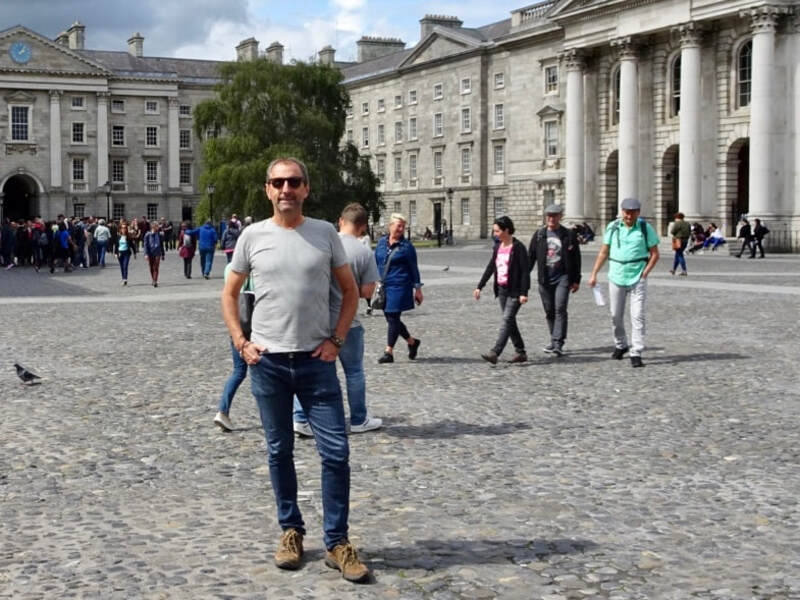
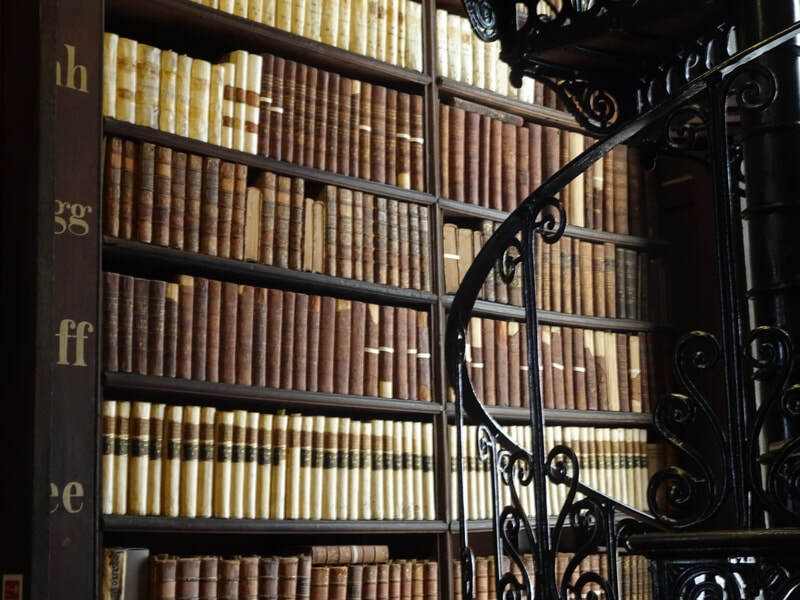
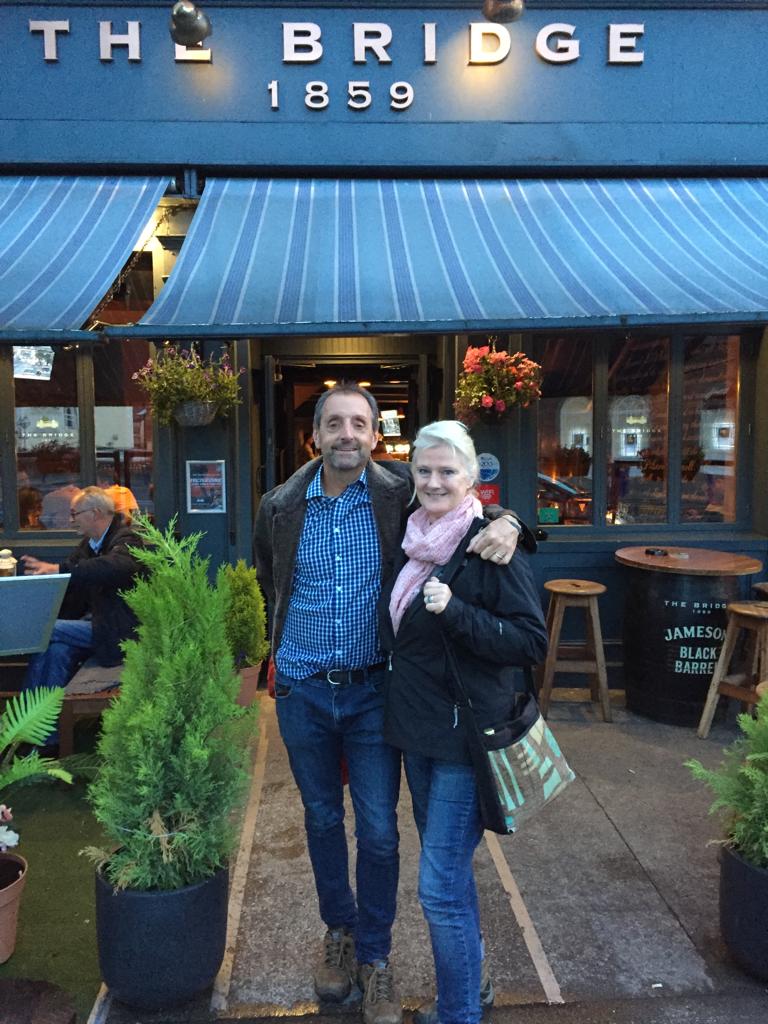
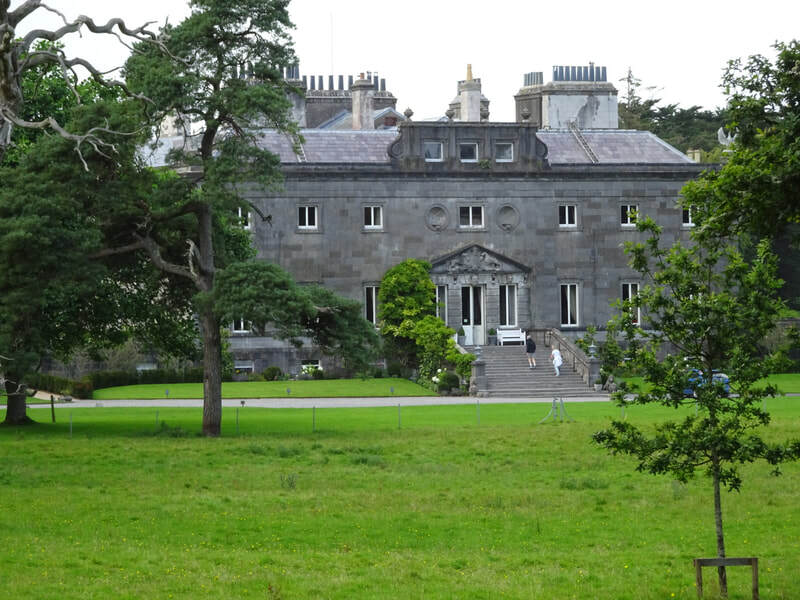
We stayed with Mary who we met on a yoga retreat at Takaka at the top of New Zealand’s South Island. We phoned Mary just a few days before arriving and got told to cancel our bookings and stay with her. So there you are . . . Mary lives in Ballsbridge in a gated community (there are many in Dublin). From there we strolled into the city centre where we headed to Trinity College, officially the “College of the Holy and Undivided Trinity of Queen Elizabeth near Dublin” but try saying that after a few Guinnesses . . .

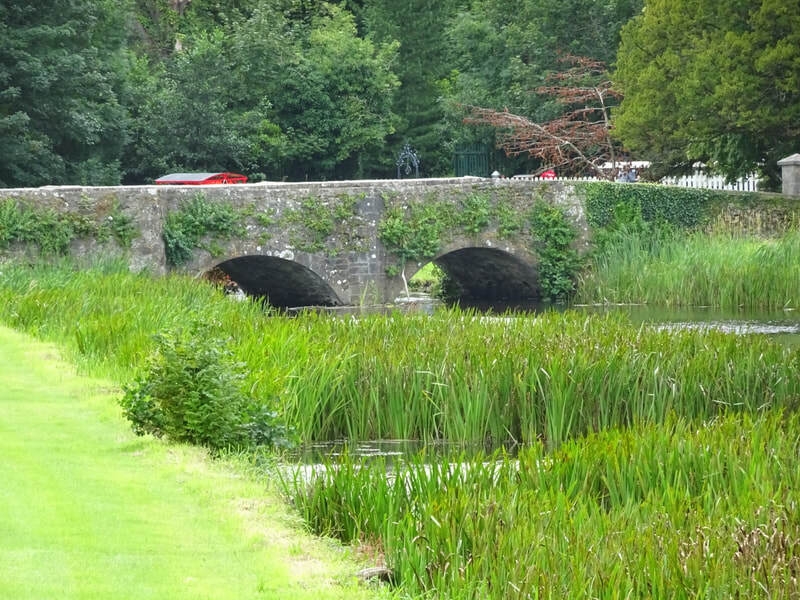
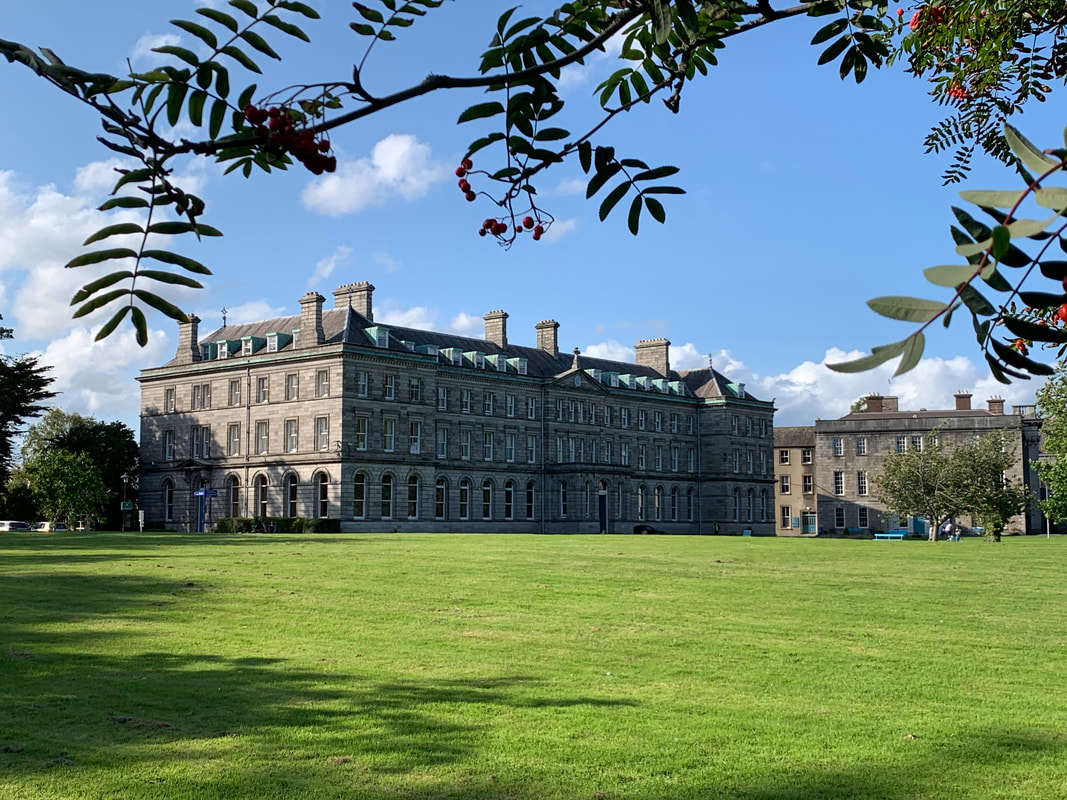
From Weesp to Amsterdam . . .
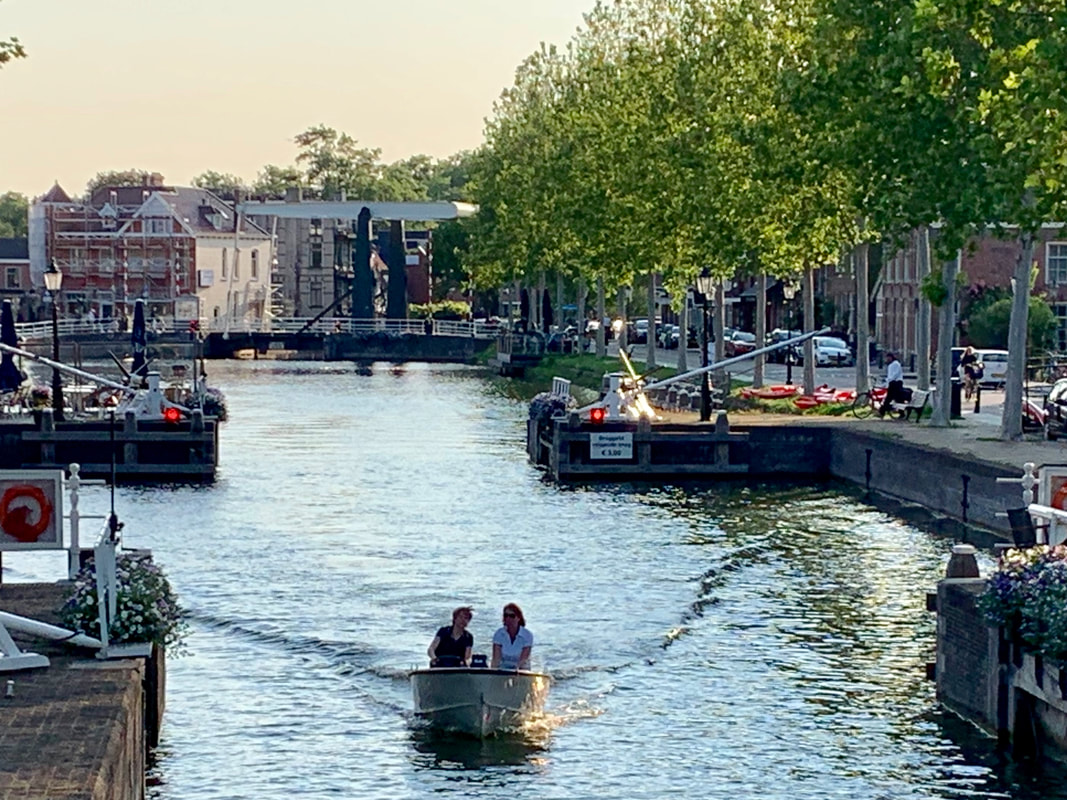
I say “city” because that is Weesp’s official designation (a “stad” in Dutch) but it really more resembles a town (population of around 18,000). Curiously, the Hague with a population of about half a million is designated a village (“dorp”) – there is much analysis of this matter on the web, but for the time being let’s just leave it there . .
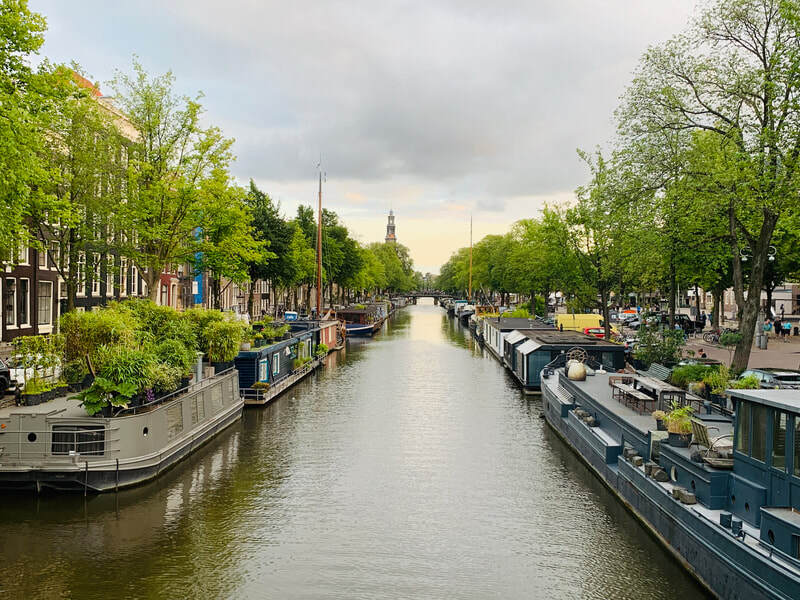
Situated just 15 minutes by train from Amsterdam Central and with a picturesque centre full of canals, shops and cafes, it’s a wonder tourists haven’t discovered Weesp in droves. We rented an Airbnb apartment for around 50 euro per night (about $NZ 80). It was admittedly tiny but in a great location, next to a canal and 2 minutes from the centre. There is no way we could have hired anything similar in Amsterdam for less than three times that amount.
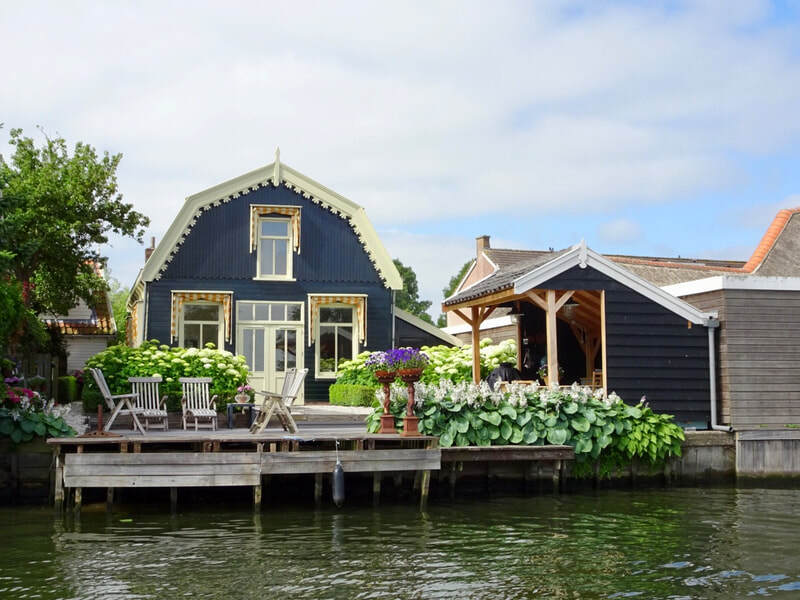
Within 24 hours we had two bikes – one second-hand from a bike shop (of which there are unbelievably five in the town) and one from Marktplaats – the Dutch equivalent to New Zealand’s Trademe. Weesp is adjacent to a number of “plassen” (small lakes), some of which originated from the extraction of peat many years ago, peat being once used for fuel and construction. Anyway the result today is an area well suited to walking and biking with many spots to stop and swim. I went through my usual nervous transition getting used to biking on the right . . .
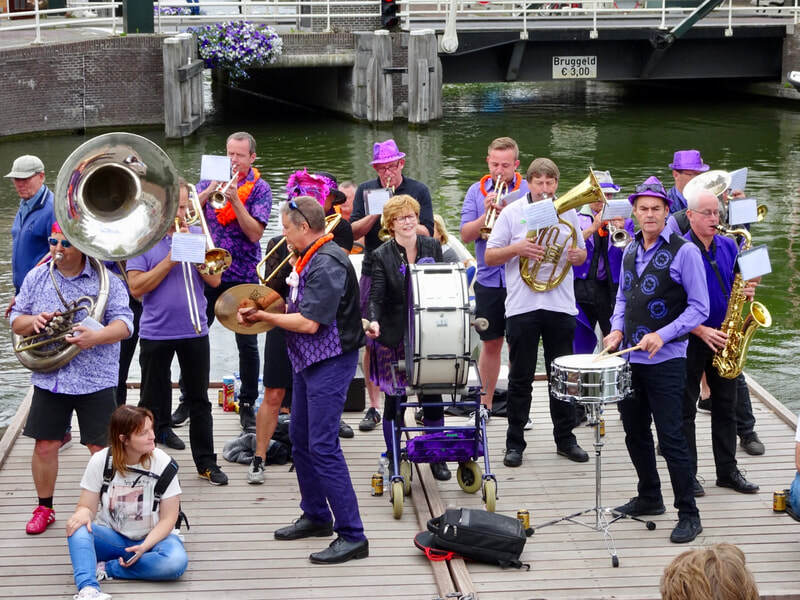
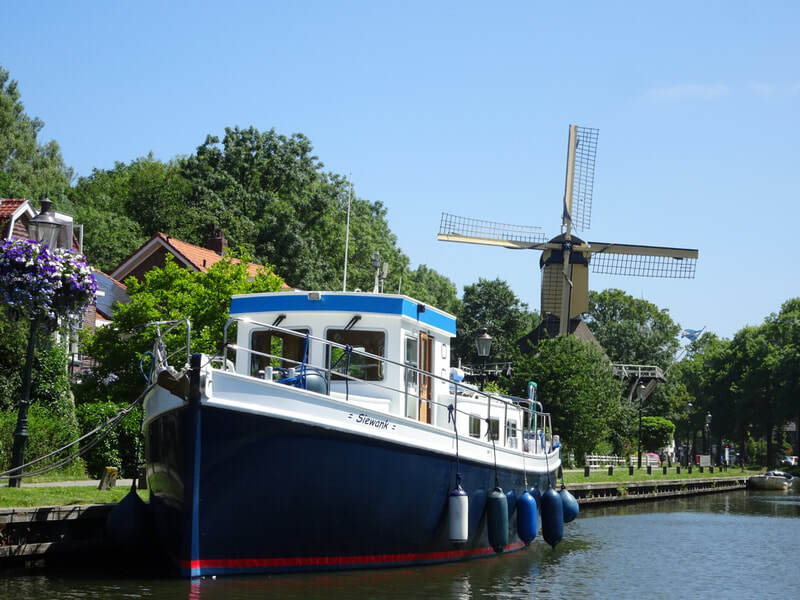
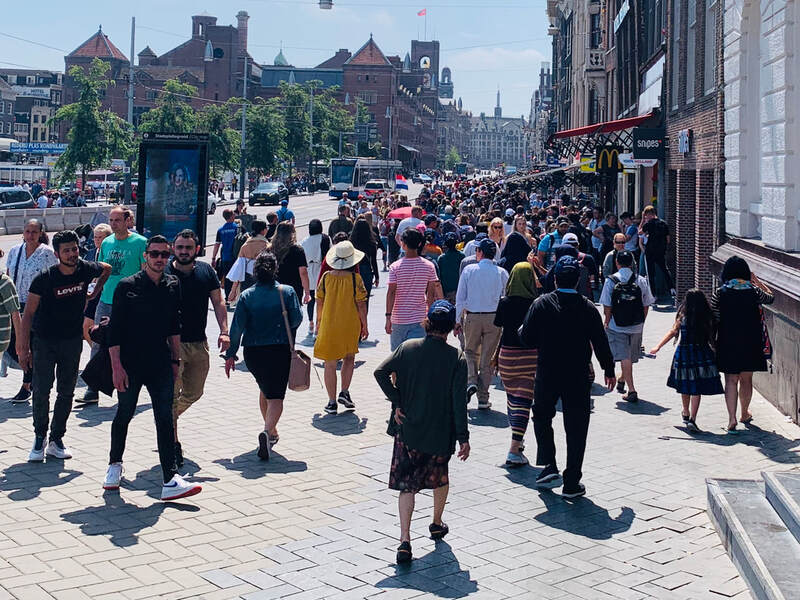
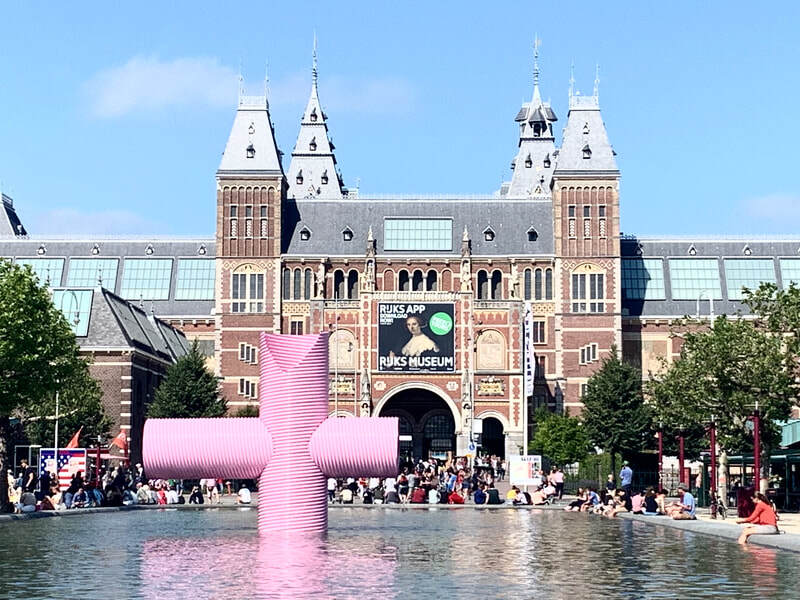
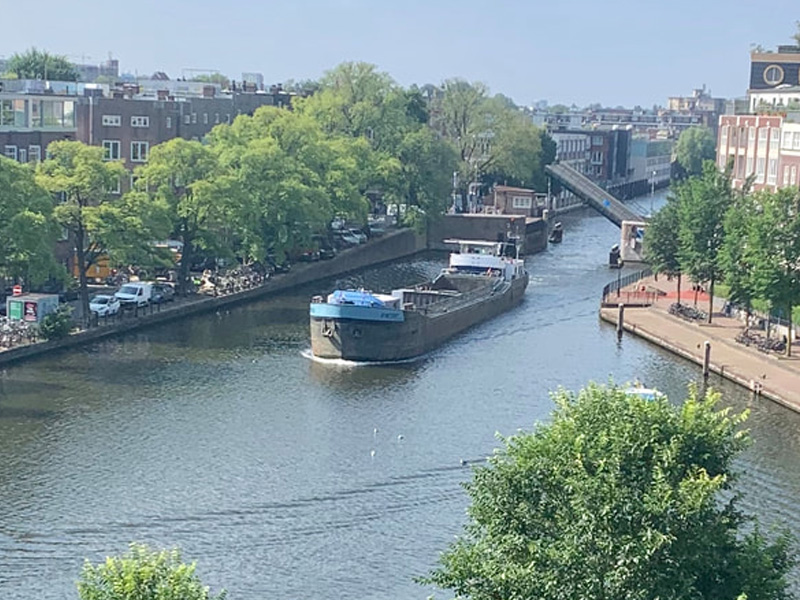
I lived in Amsterdam with Jolanda about 29 years ago and back then it was far quieter, with less tourists and generally a nicer experience than it is now. The smell of marijuana is almost everywhere and, in some places, overpowering. There are complaints from Amsterdam residents – on matters such the predominance of shops catering to tourists but little in the way of basic necessities – hardware stores, chemists, post offices and the like. Airbnb has become so popular that investors have been buying Amsterdam houses and apartments to rent to tourists, thereby making it unaffordable for those wanting to buy a first home. A new law has come into place whereby you can only rent a holiday apartment for a maximum of 2 months per year. It’s an interesting insight into the question of when does tourism turn from being an economic advantage to a social disadvantage?



London
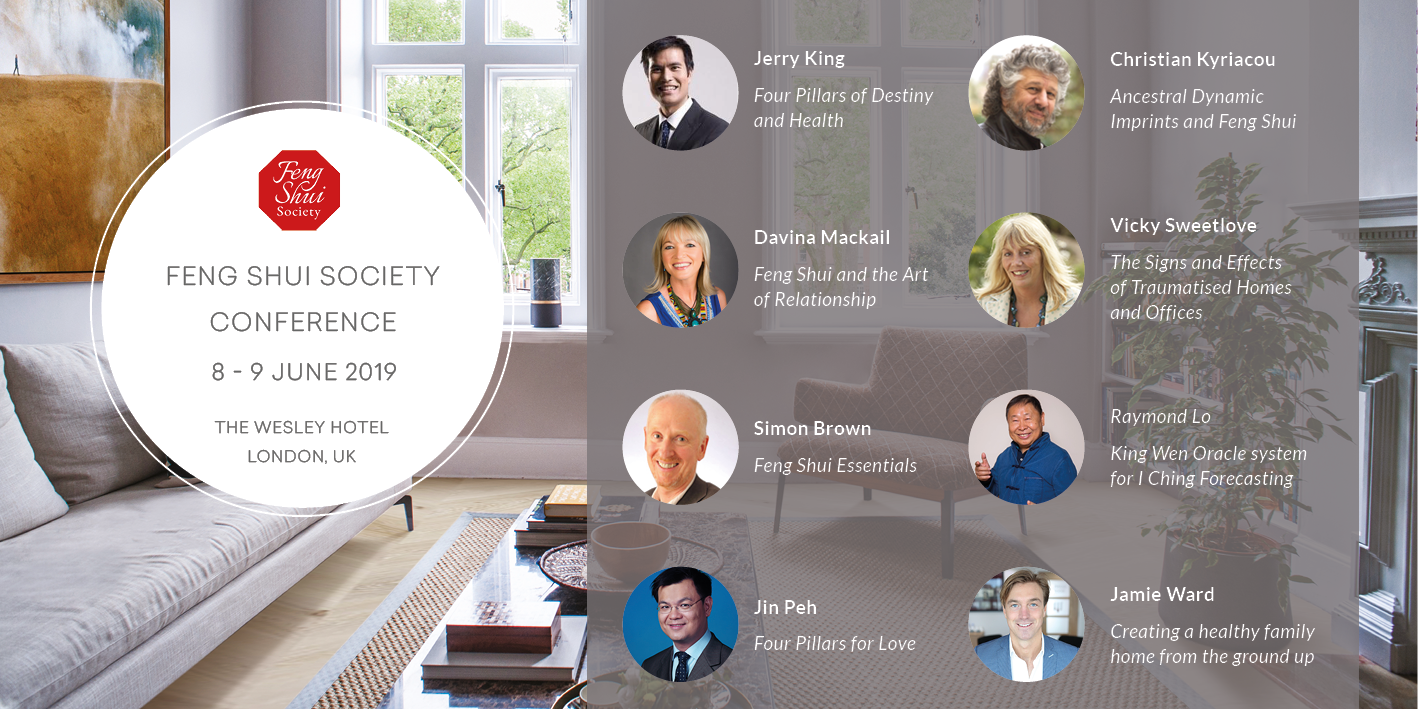
A couple of the talks went completely over my head, however one by Simon Brown (president of the Society) was brilliant. Aimed at those new to Feng Shui, Simon talked about the harmony between humans and nature and how everything and everybody share the same energies. Maximising the use of energies in your home therefore seems to make sense. Making best use of the sun, (the largest source of energy), using mirrors, plants, colours and of course our own energy all combine to make a home feel right. Clutter disrupts energy flows – which pretty much makes sense. Except if it’s my clutter of course.
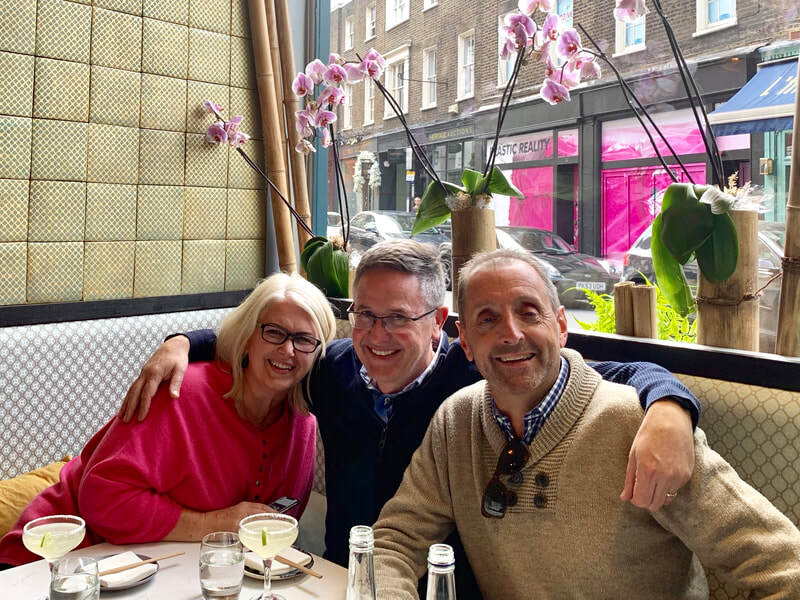
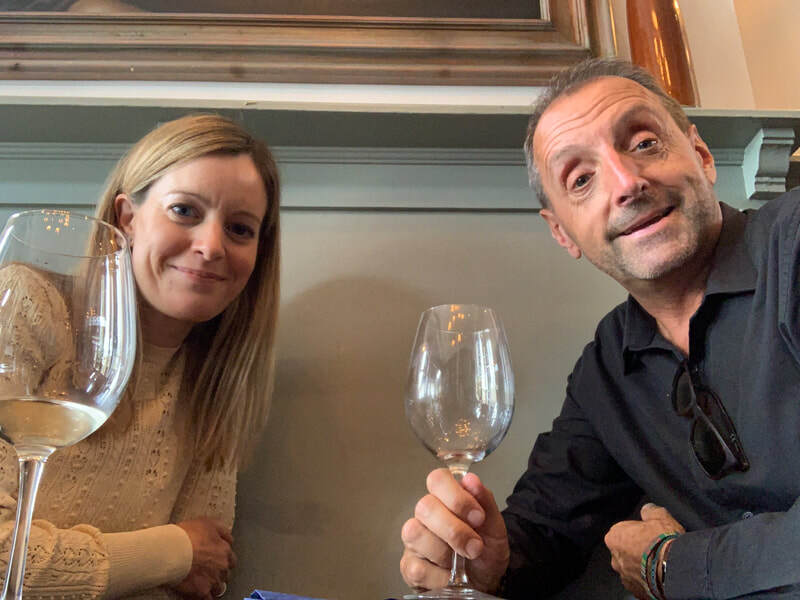
I visited the newly-weds Jane and Andrew, and Monty the dog, in their apartment in Stepney. They have a fabulous view down Regents Canal in what is a more gentrified area in E1 than I had remembered. We drank far too much wine and had a great evening with Thai takeaways, reminiscing and planning.
I also caught up with Stephen and Tracy – living in New York and in London for the week for Stephen’s Board meeting. I decided to bike over to their hotel in Park Lane using the Santander bike share service. Using your contactless credit card you can hire a bike (which you could describe as sturdy rather than sleek) for two pounds. So there I was weaving my way in and out of the London traffic down busy Oxford St – clutching my iphone and listening for Siri’s instructions. I have decided I need to change Siri’s accent from Australian by the way.
My final catch-up was with Anna, a colleague from the Electricity Commission and EECA. A long Friday lunch in Chelsea . . . Anna worked with me in the same team as Jane – joining after Jane left. Great times.
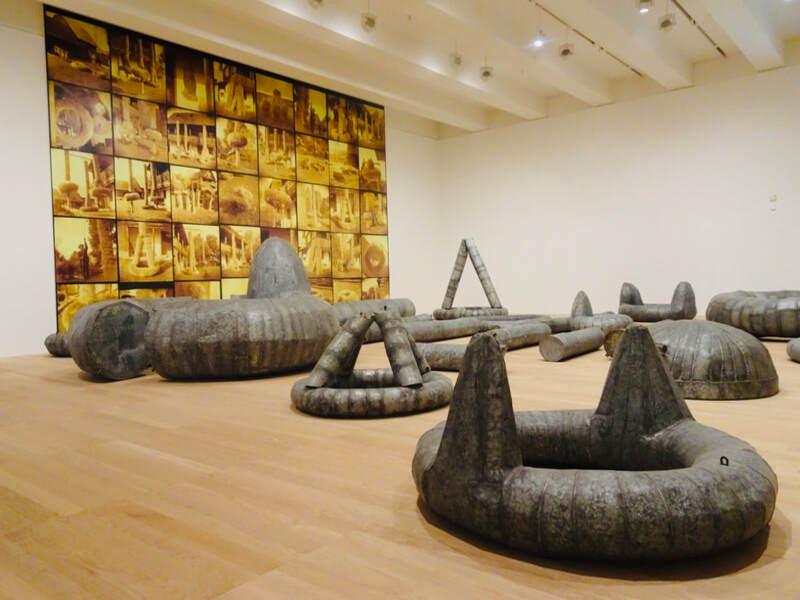
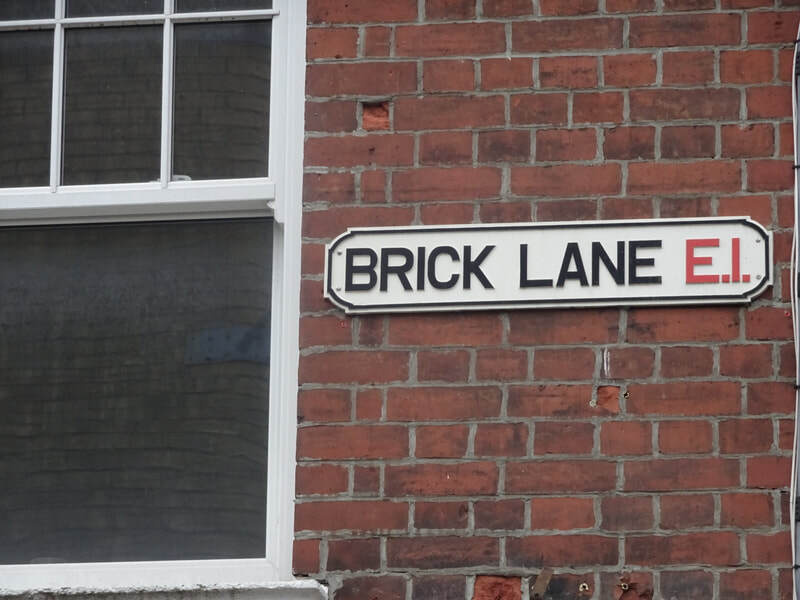
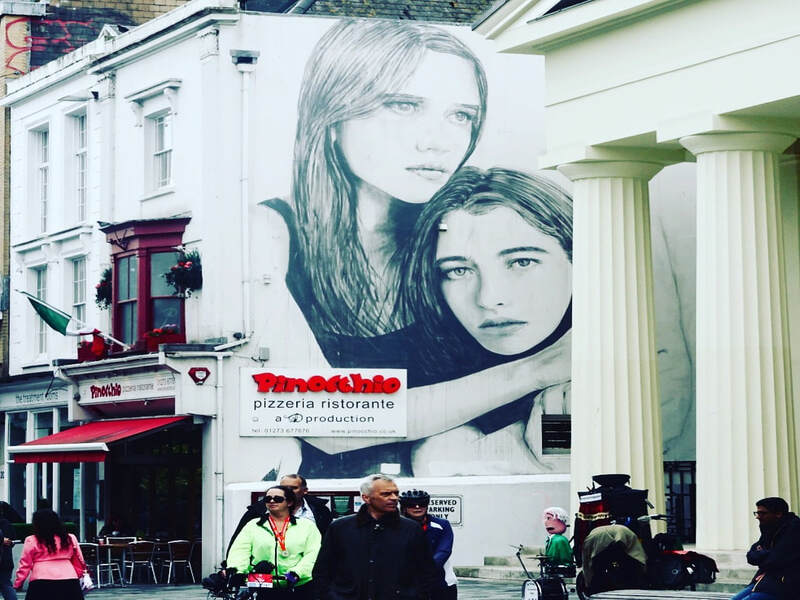
For my arts binge I headed over to the Tate Modern – a simply enormous museum of contemporary art on the south bank of the River Thames. It’s based in the former Bankside power station with four floors ranging from the truly spectacular to downright weird. I also visited the Design Museum just off High Street Kensington – devoted to contemporary design and architecture. The exhibit on the design of London’s transport system was super interesting. I was so into it I even sat down for a geeky half hour with a book on fonts . . . Like the Tate Modern, this was yet another free museum in Central London. Honestly you don’t need to spend a lot of money in London to be royally entertained. And in keeping with my free art theme I decided to detour past Brick Lane, which not only boasts some of the UK’s best Indian restaurants but also graffiti street art.

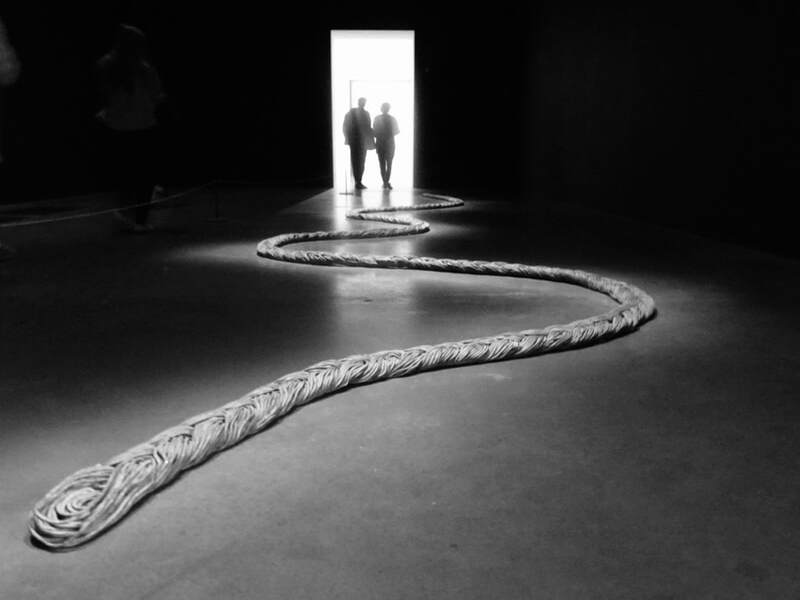
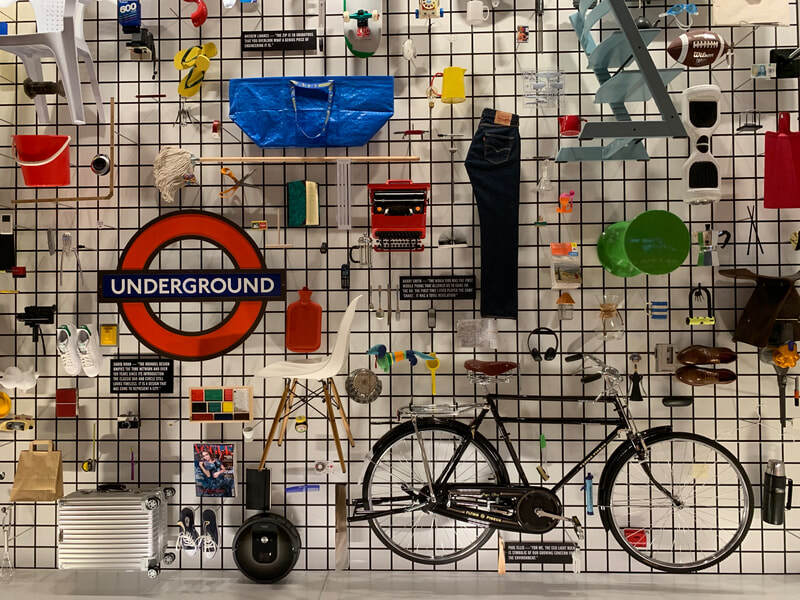
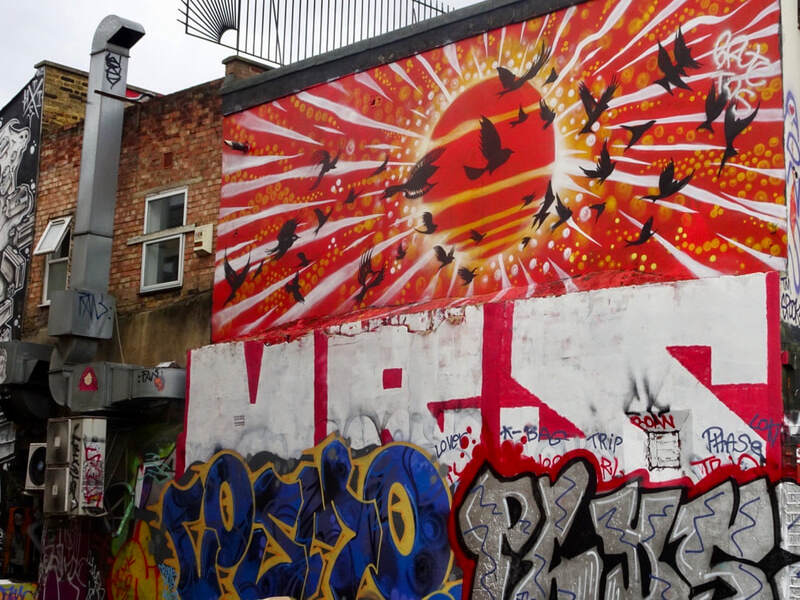
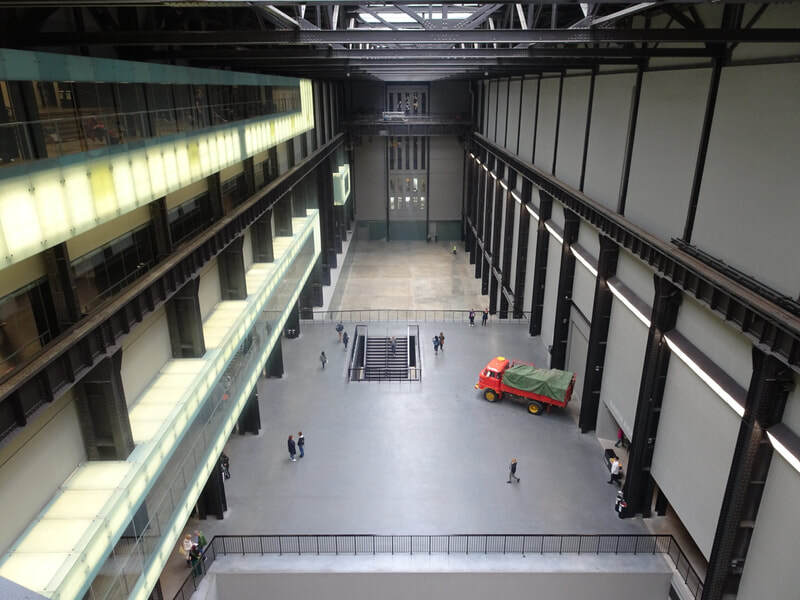


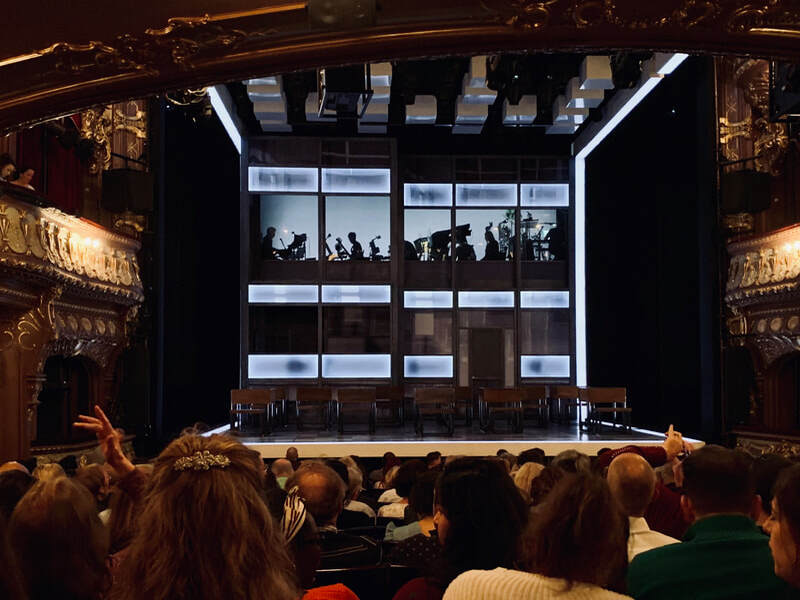
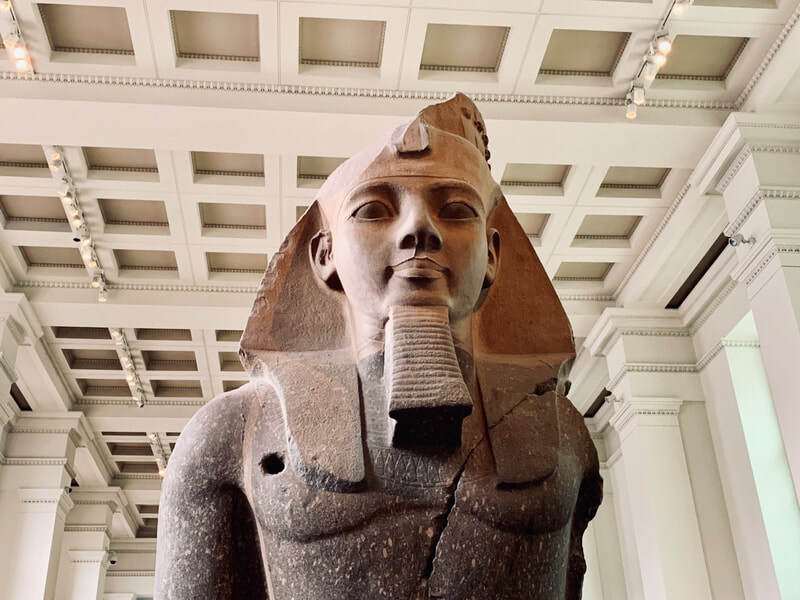
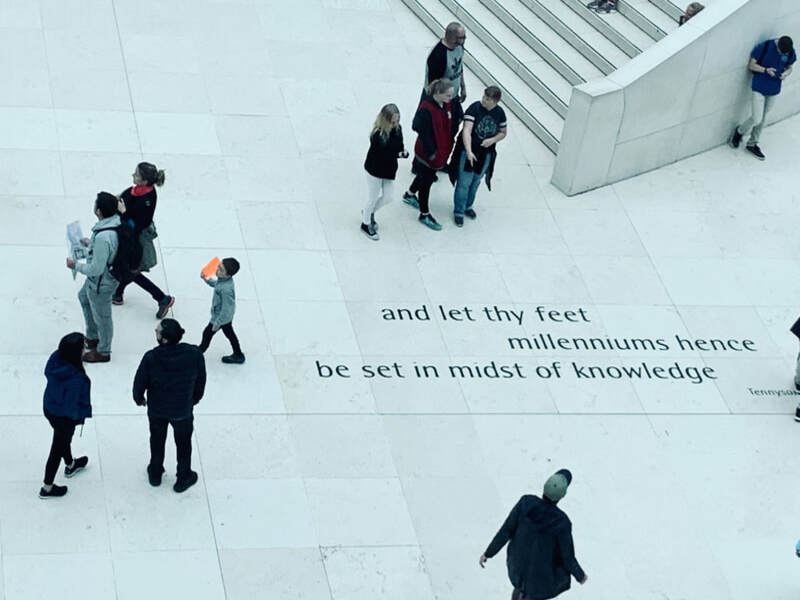
And for my history binge, which sounds all a bit ho-hum after my Sheffield drag queen story, I went to the British Museum in Bloomsbury. I know the museum has been going for 200 years and reportedly houses some of the world’s greatest collections of antiquities – but I just couldn’t get into it. For one thing, many of the collections raise the question of whether it is appropriate to maintain ownership of items that have a cultural significance to another country. The Greek government, for example, has long been arguing for the return of the Elgin Marbles which once adorned the Parthenon. And another thing – the Museum was packed, and I couldn’t find a seat in the cafe.

Walking and studying in the Lake District . . .
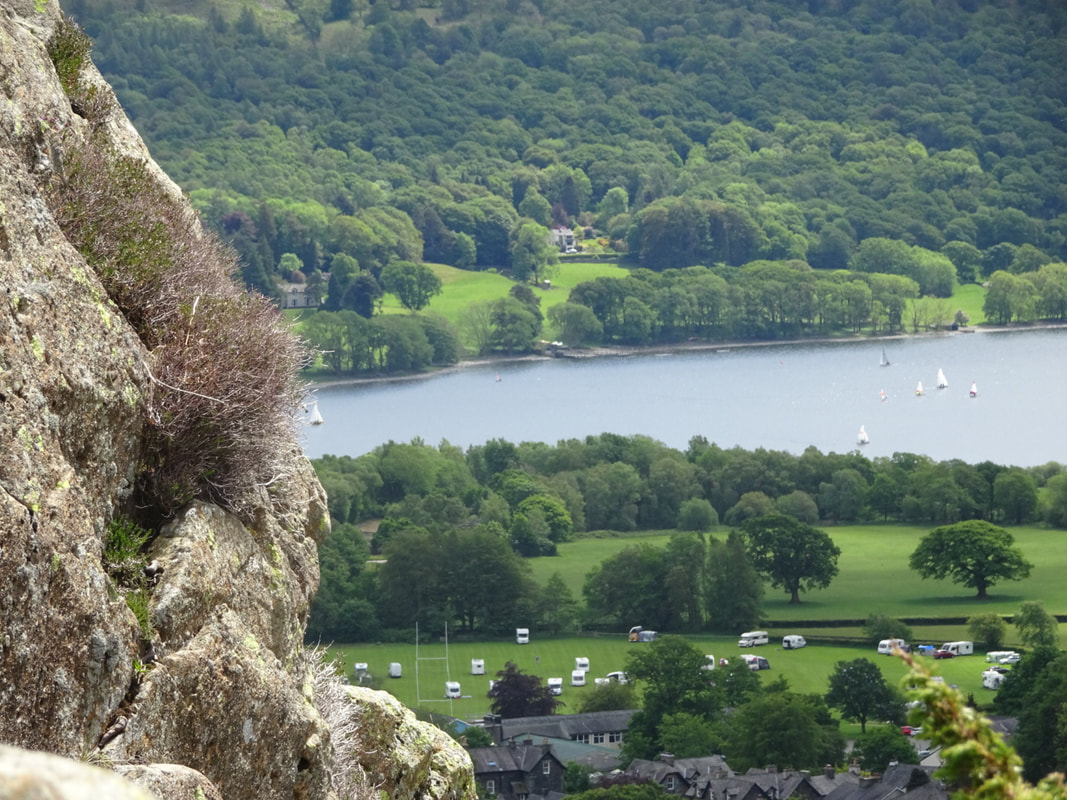
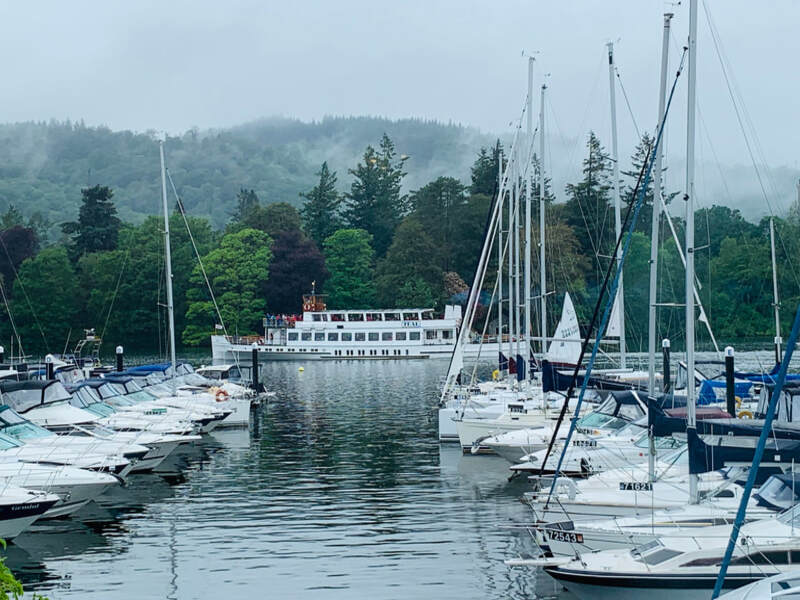
And so with Jo and Danielle booked on a three-week yoga and volunteering retreat in Portugal I found myself alone, touching down at Manchester airport and driving up the M6 to my first destination – the tiny village of Bouth in the southern Lake District. Places in the UK can be small, and depending on how small they are, there will be reduced numbers of services and shops, until you get to the very smallest, like Bouth. And that will be a place with just a pub. Aaah I like this country . . .
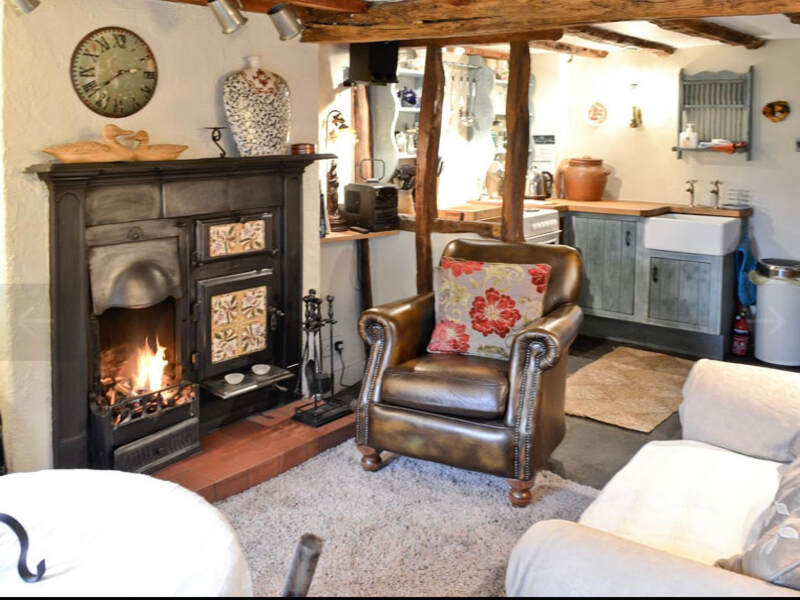
Bouth is situated at the foot of Lake Windemere, in the midst of rolling green farmland and walking tracks. Cragg cottage is just your quintessential old country cottage with 200-year exposed beams, an open fire (yes in late May it’s still cold) and a tiny country garden. Oh and wifi which, while welcome, seems sort of out of place in this quiet and natural spot.
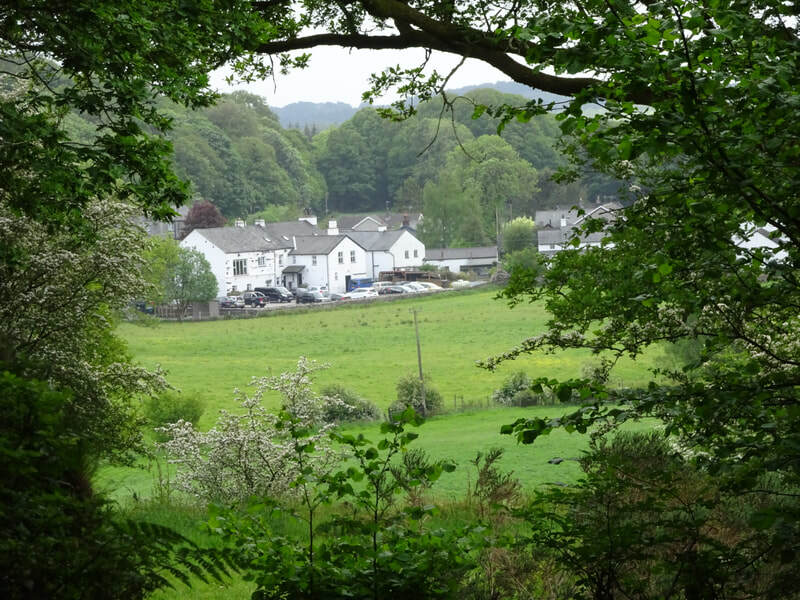
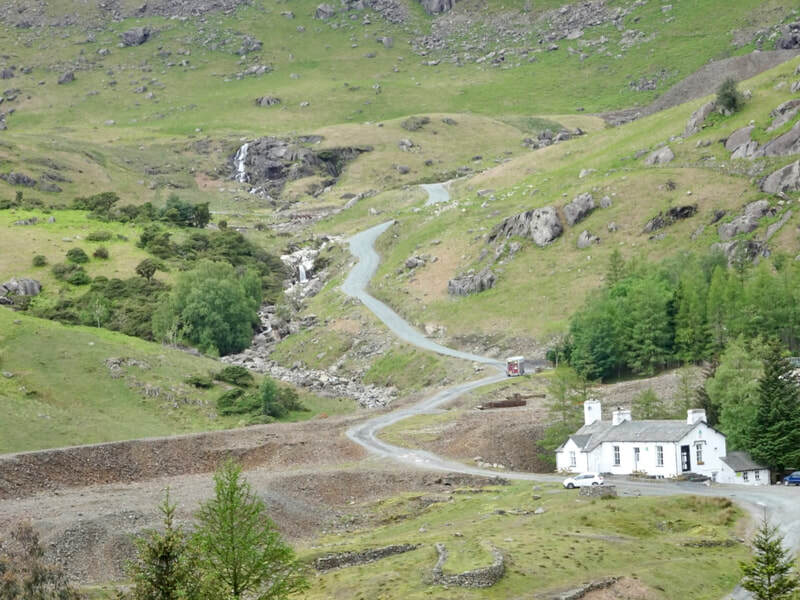
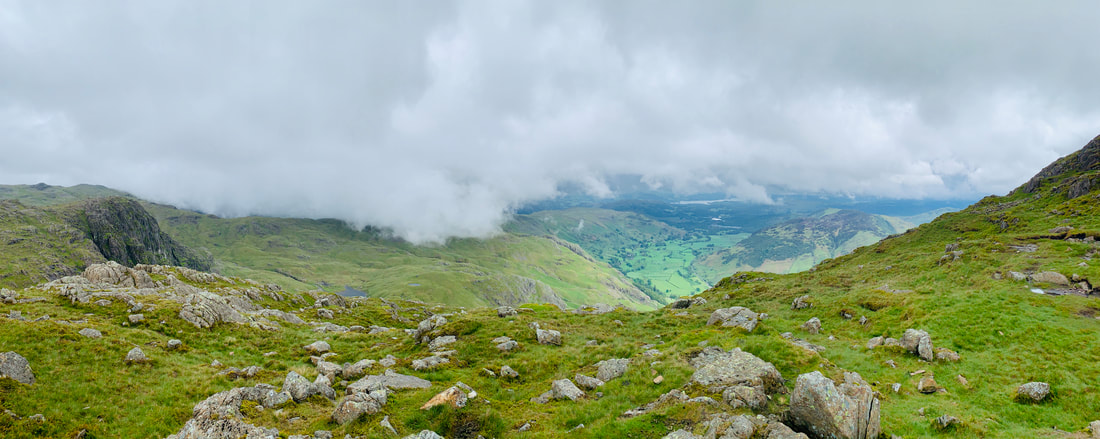
I walked up the Coppermine valley where quarrying is thought to have started back in Roman times. The weather was clear, cloudy and with the slightest hint of drizzle, which by the way summed up things for just about the majority of my stay. After reaching a lone youth hostel at the head of the valley I returned via the saddle of Coniston which provided stunning views back over the waters and with a glimpse of Windemere in the distance. Magic.
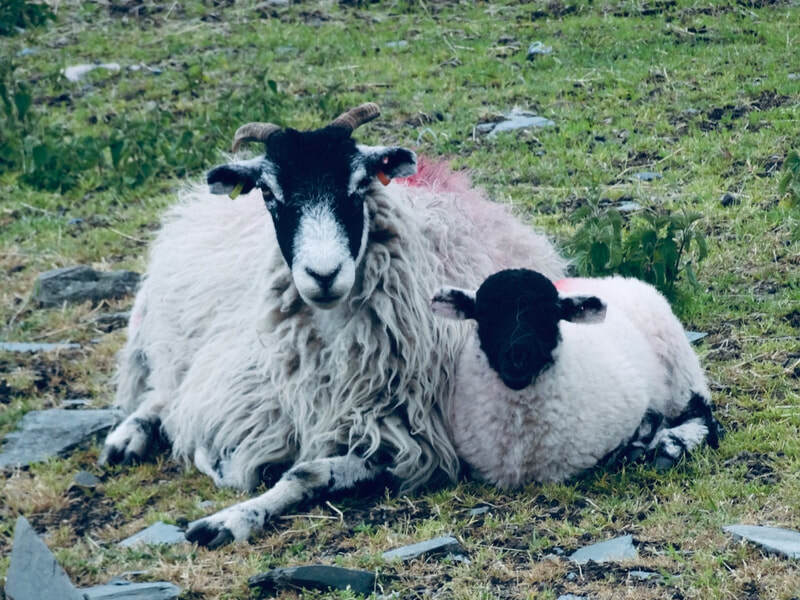
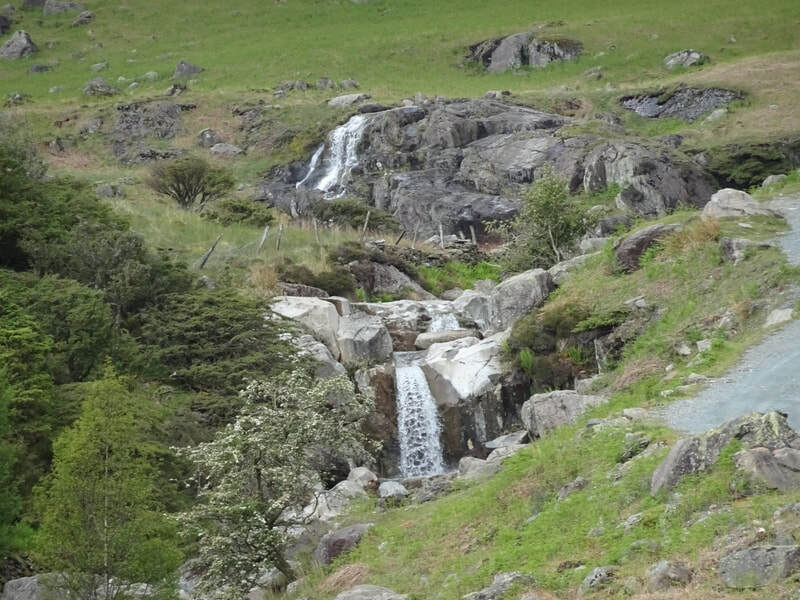
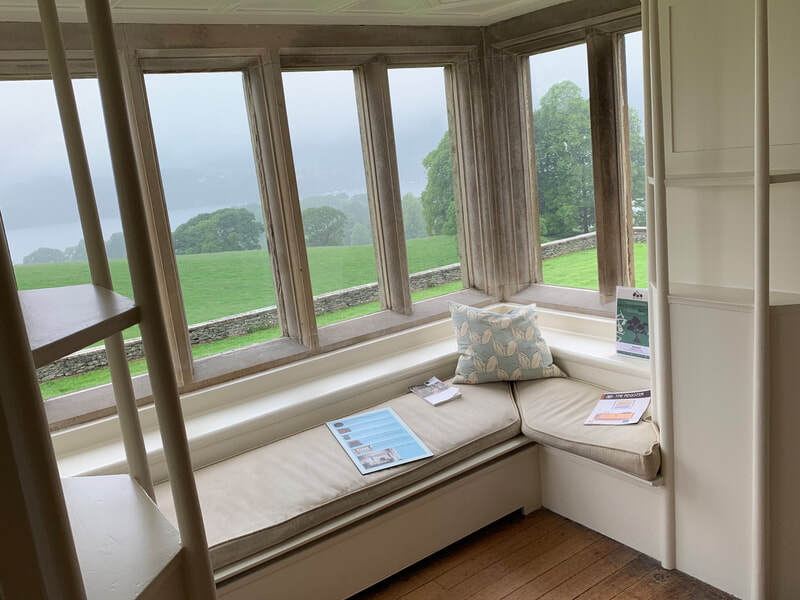
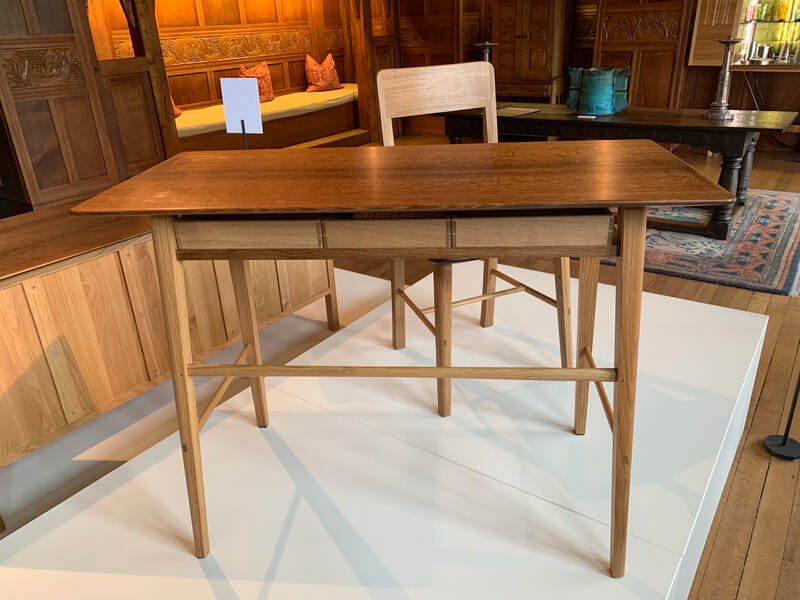
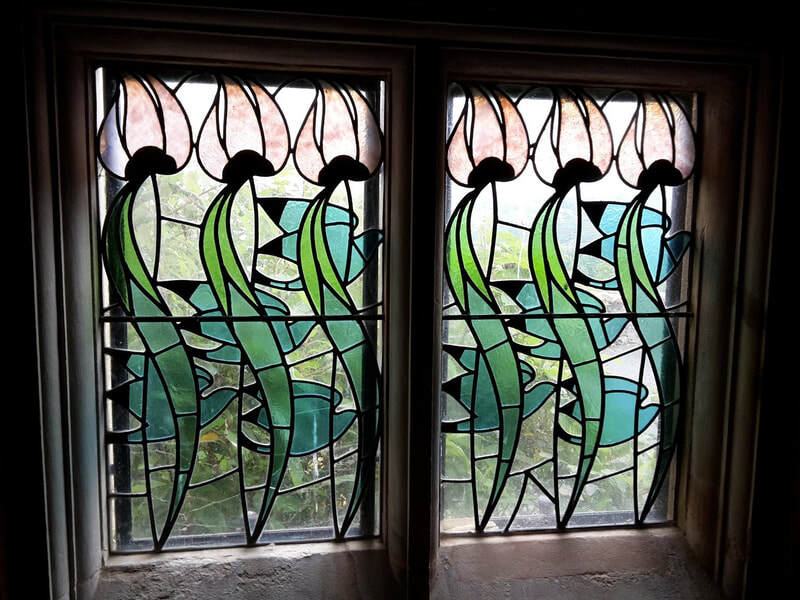
Other highlights of my first week included a visit to Blackwell – an Arts and Crafts House close to Windemere. I know that term conjures up images of teapot snugs and dolls clothes however nothing could be further from the truth. The Arts and Crafts movement, beginning in Britain in the early 1900s, was essentially a bridge between more traditional furnishings considered overly ornate and those that were beginning to be mass produced in factories. The outcome was a new style which was more modernist, simple and functional – but not at the expense of quality. And above all, everything had to synch – with the rest of the house and the environment within which the house sat.
The outcome was just superb. I stayed far longer than I had intended – seduced by the cosiness and simplicity of the place. I could have lived there . . .
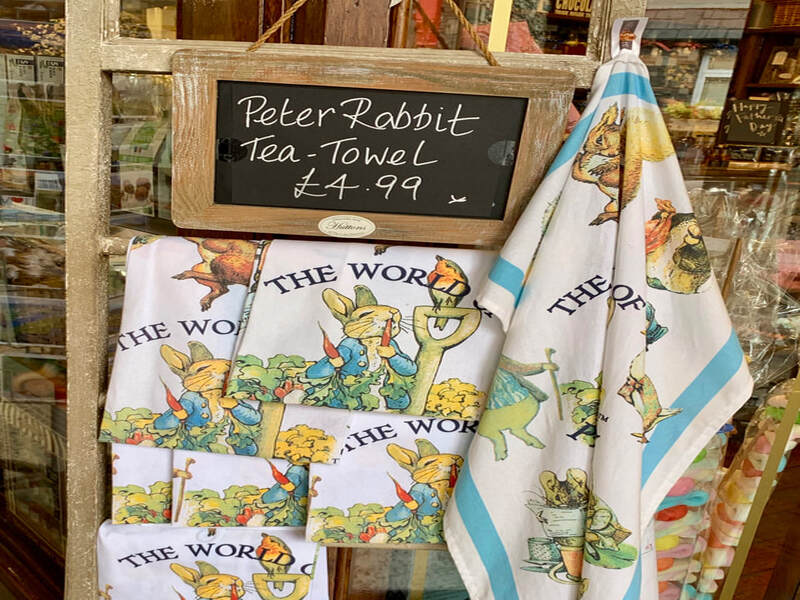
I had been warned by Bob to avoid Bowness on Windemere, and so purely being curious, and a bit obstinate, I decided to pop over to take a look. The Lake District’s most popular tourist destination is quite a shock to the system when you first arrive. Coming from walking deserted fells to experiencing clogged pavements with trains of overseas tourists following flag-bearing guides takes some getting used to. There is obviously a love affair here with Beatrix Potter (or Beatrix f**king Potter as Bob refers to her) who lived and wrote here. I resisted the temptation to purchase a Beatrix Potter tea towel and instead used my time to do some practical things such as getting my hair cut and posting my wedding suit back to New Zealand.
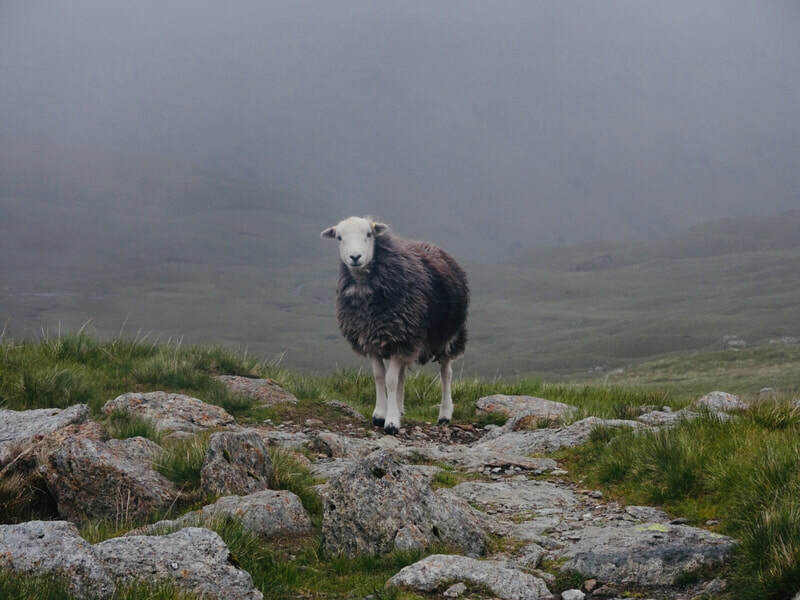
201 floors and 17km according to Siri.
From the Sera de Estrela mountains to a wedding at Amarante to the night life of Porto . . .
Casa Alcina is an awesome two-bedroom apartment with a long balcony designed for sitting, viewing the mountains and blissfully not much else. If you ever want to visit a place where time virtually stands still, visit Sabugueiro. The goat herder brought his charges down our lane each evening, elderly couples worked their vegetable patches and others basically just sat and stared. Staring is a national pastime in Portugal by the way . . .
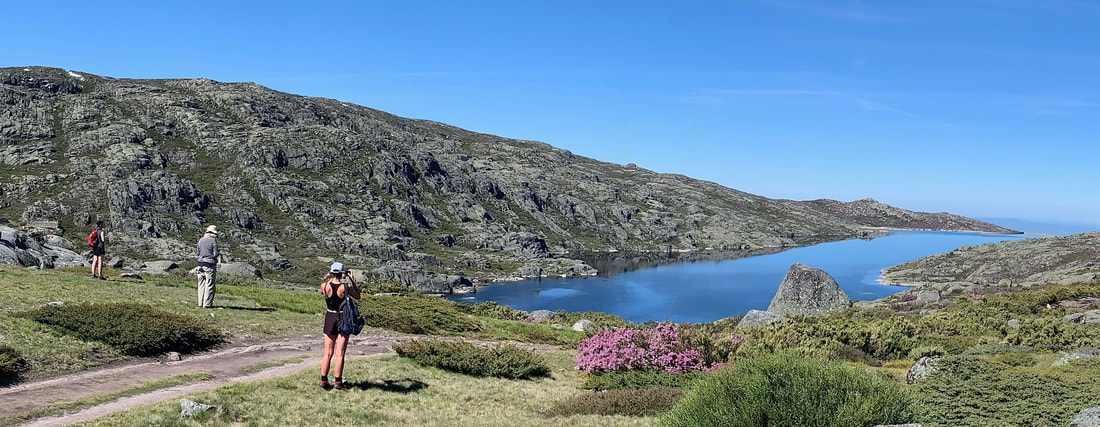
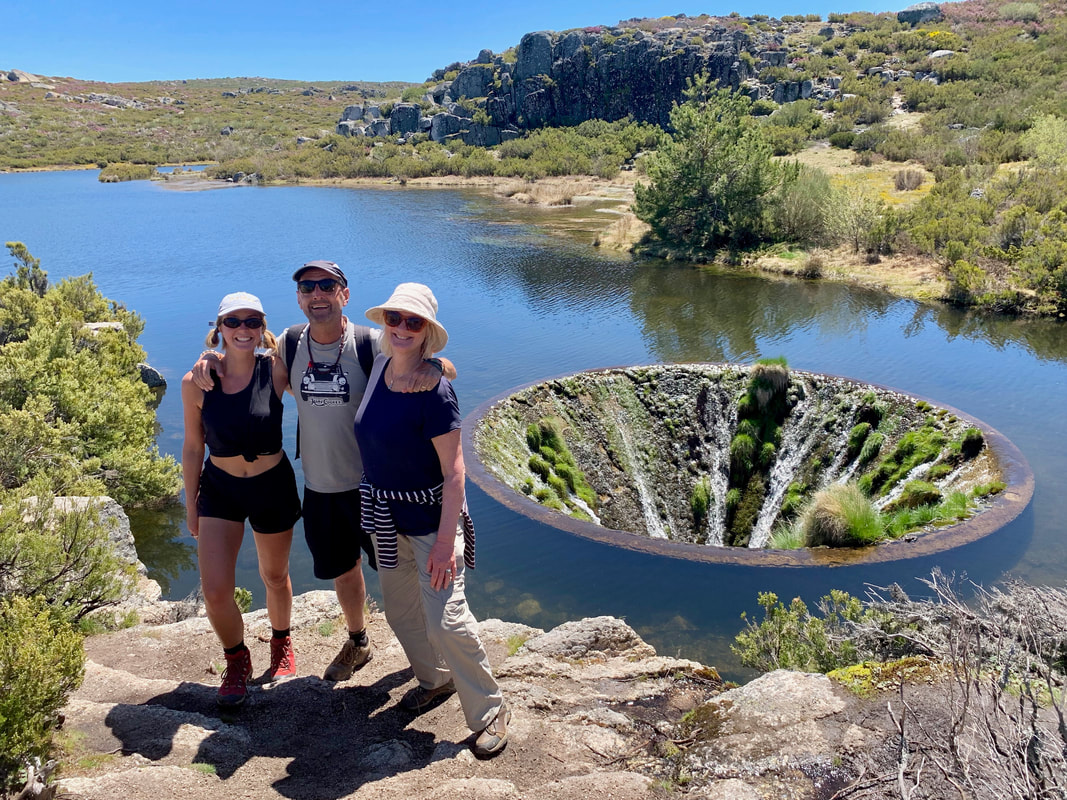
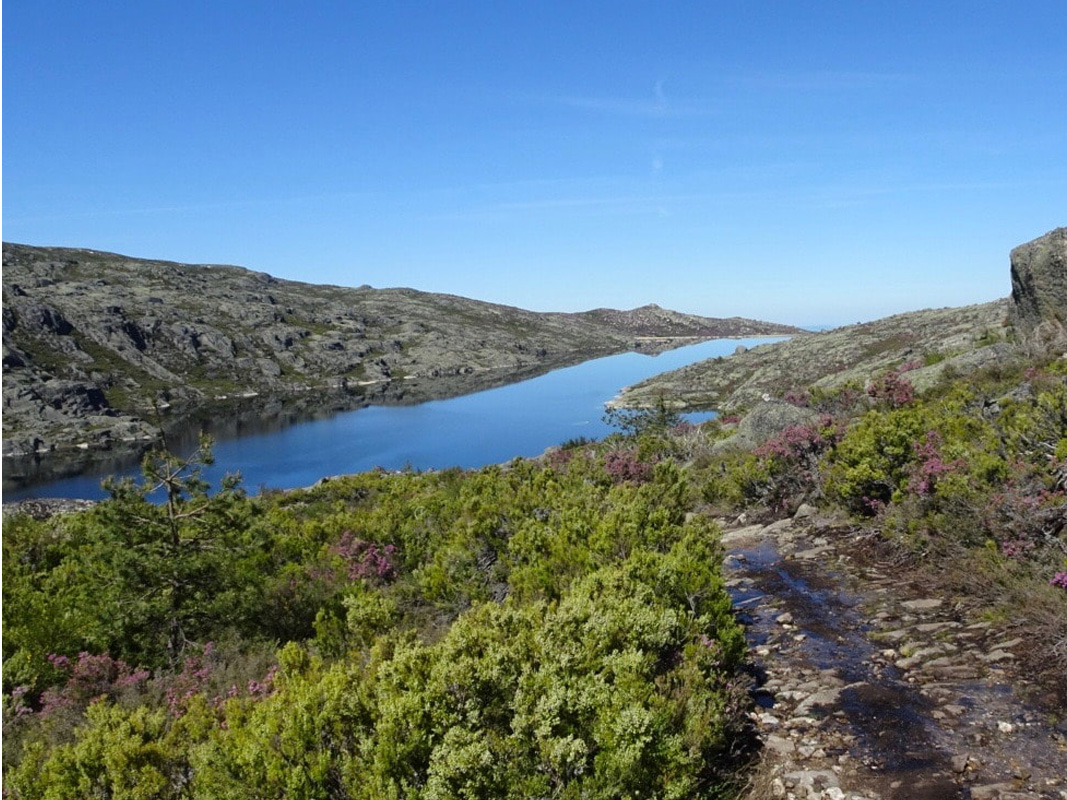
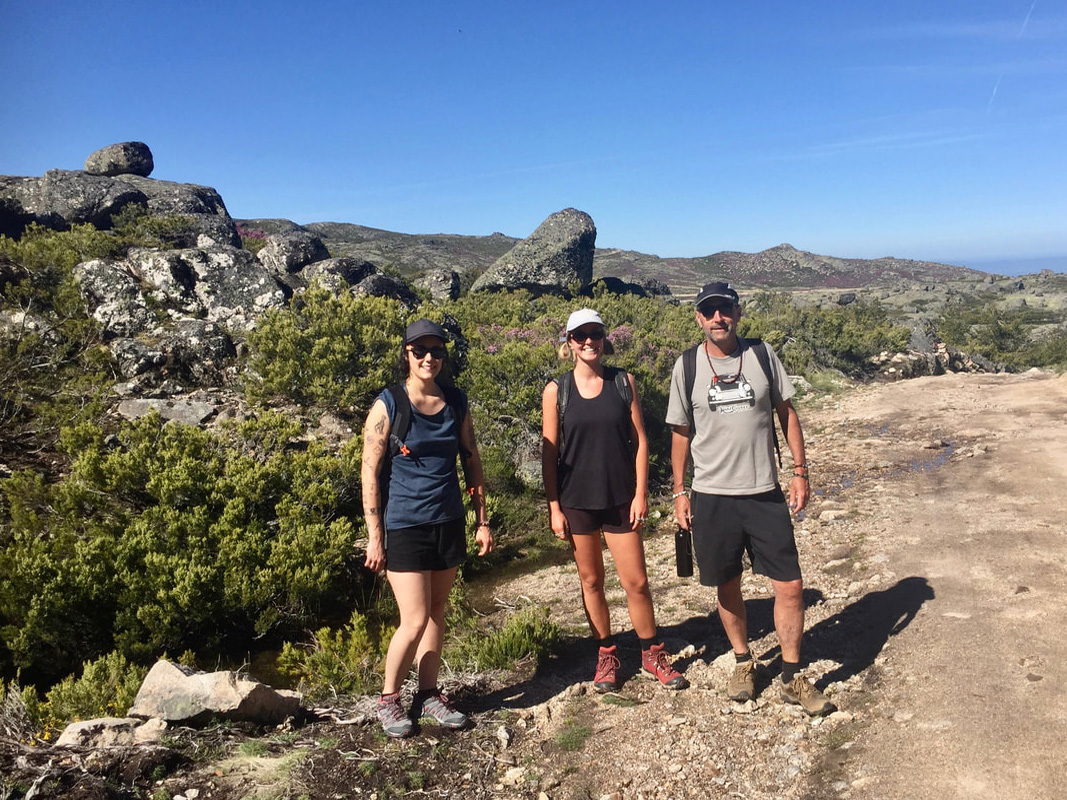
Our host, Alcina invited us on a trek the following day in the mountains. We drove to an old hydro-electric dam and from there hiked around 10 km through the most awesome mountain scenery to a place called Cavão Dos Conchos. When the dam was being constructed, the engineers decided to connect the main lake with a second via an underground tunnel. And at that second lake, a sink-hole was built to provide nearby communities with fresh water. It really was the most surreal sight, with plants growing around the edges and no external infrastructure in sight. I have to say there was also an absence of health and safety barriers and signage. Maybe it’s sort of obvious you shouldn’t swim next to a sink hole where one risks getting sucked into a labyrinth of underground pipes. Interestingly, the place was virtually unknown until about 2016 when the first photos hit the internet.
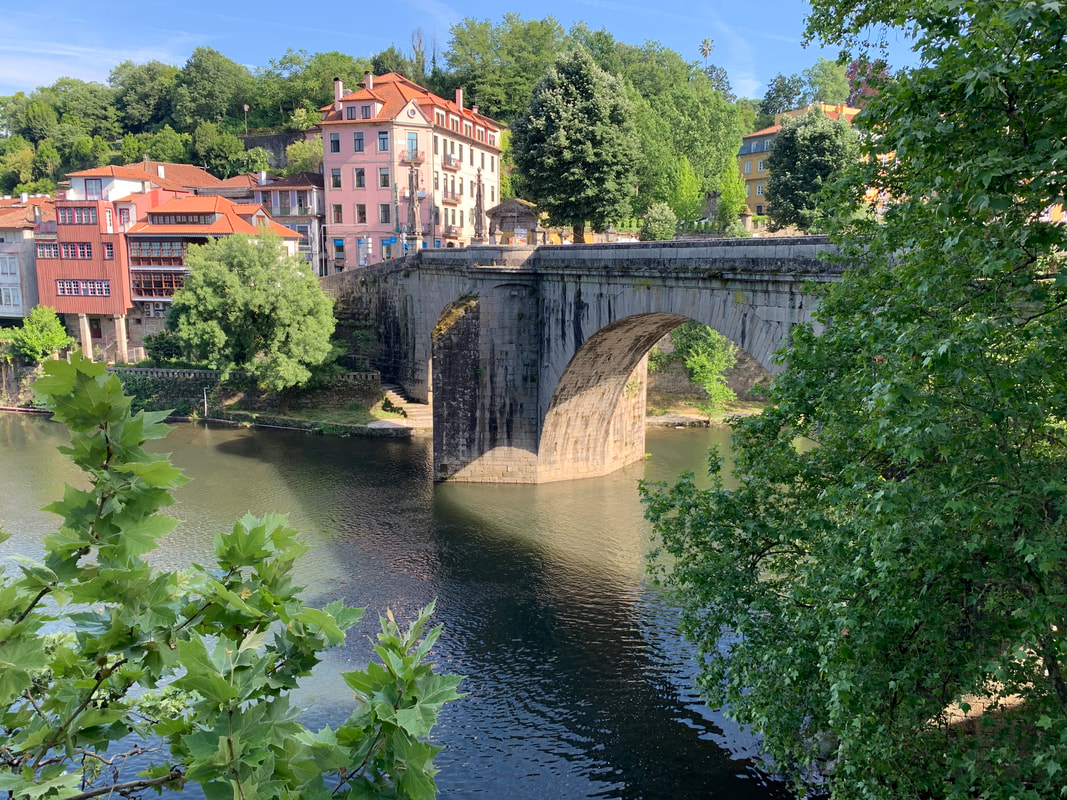
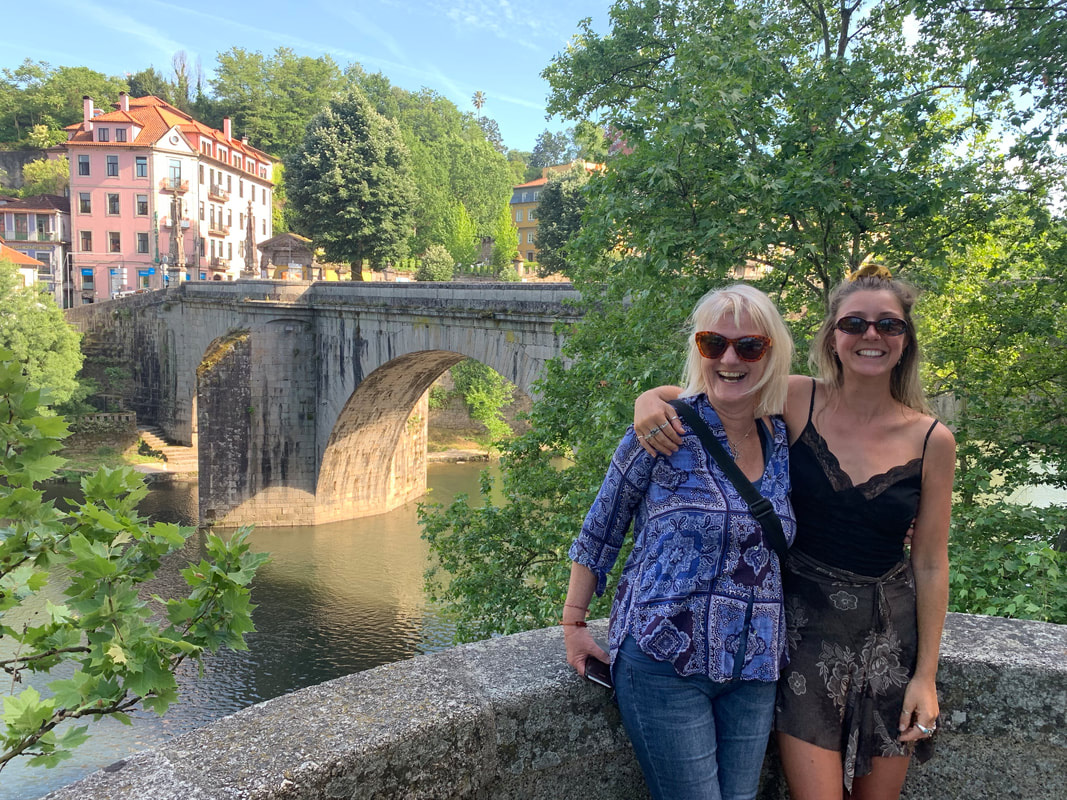
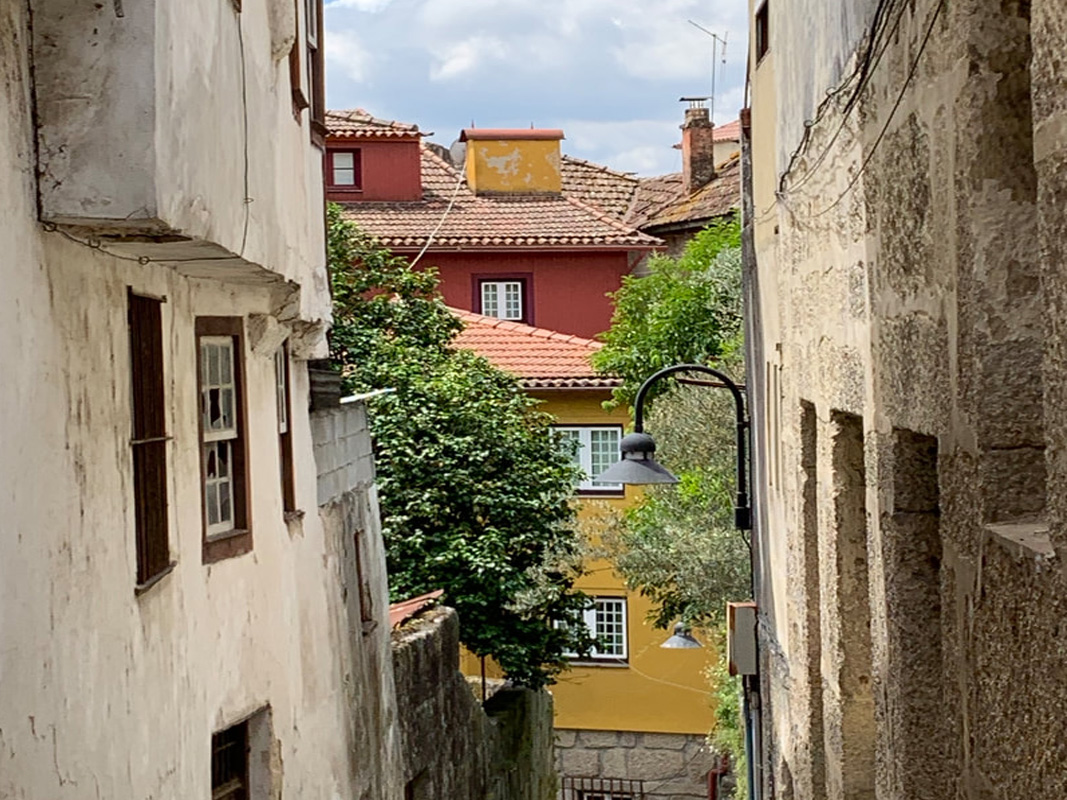
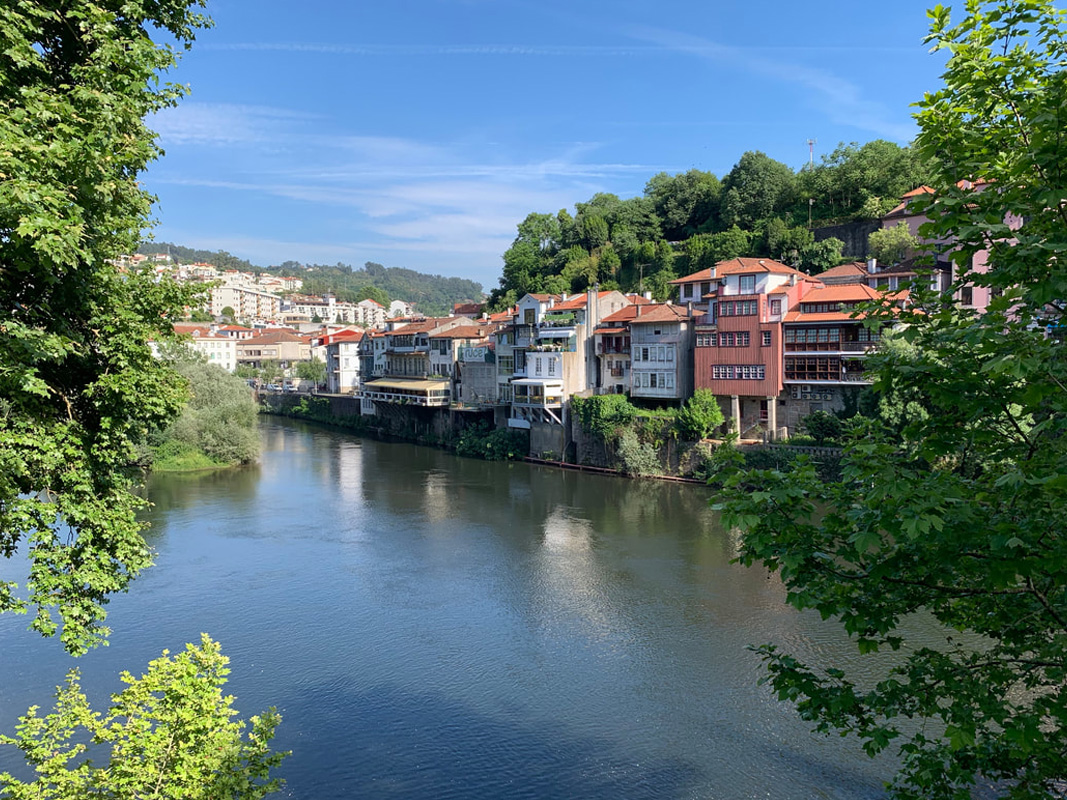
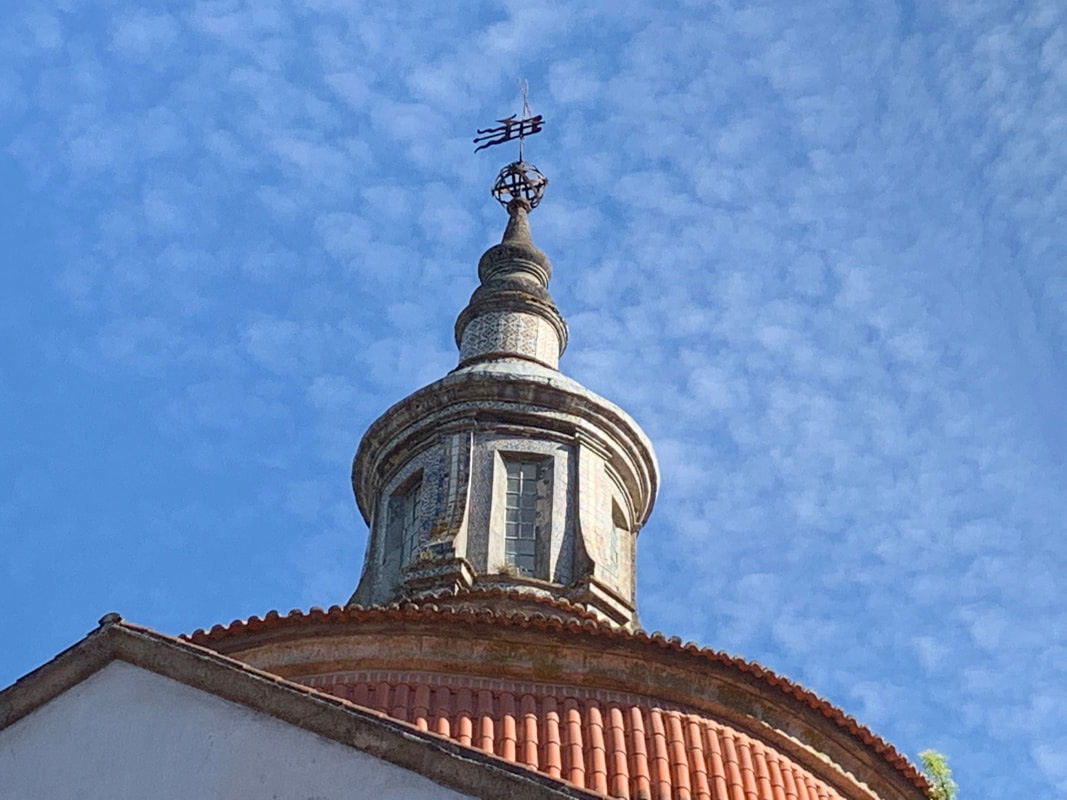
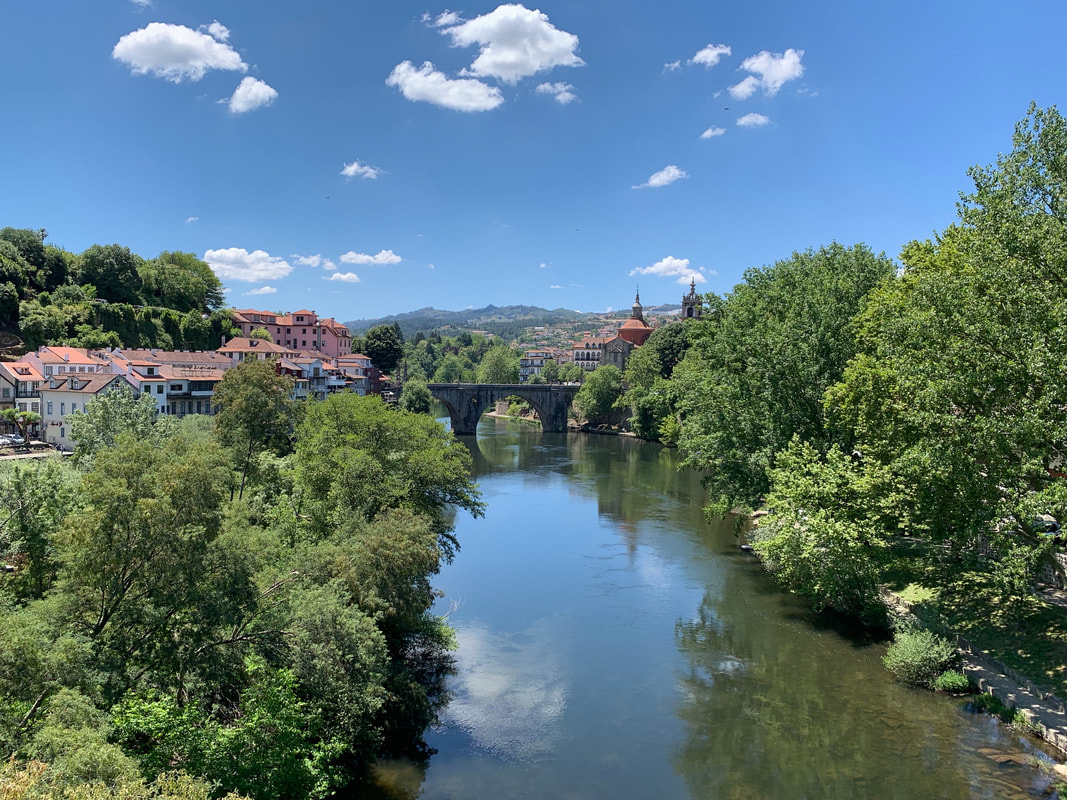
My memory of Amarante was of a sleepy, yet picturesque little town with the river Tâmega running through its middle. It has certainly changed since then with a new toll-motorway linking Porto, making what was once a two-hour grind now just a 40-minute drive. There are certainly signs of commercial activity – new apartment blocks, shops and a beautiful hotel on the river-front resurrected from an abandoned sixteenth century manor building. Yet for all that, Amarante still retains its former charm and laid-backness. It really is a beautiful place.
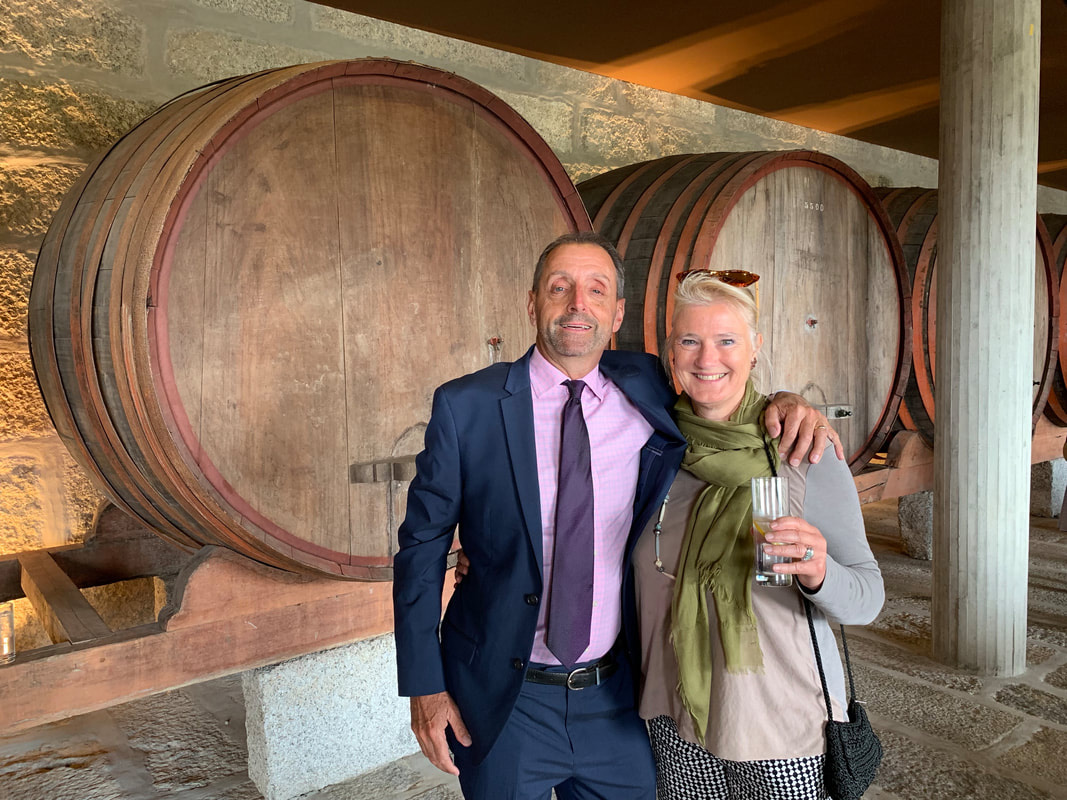
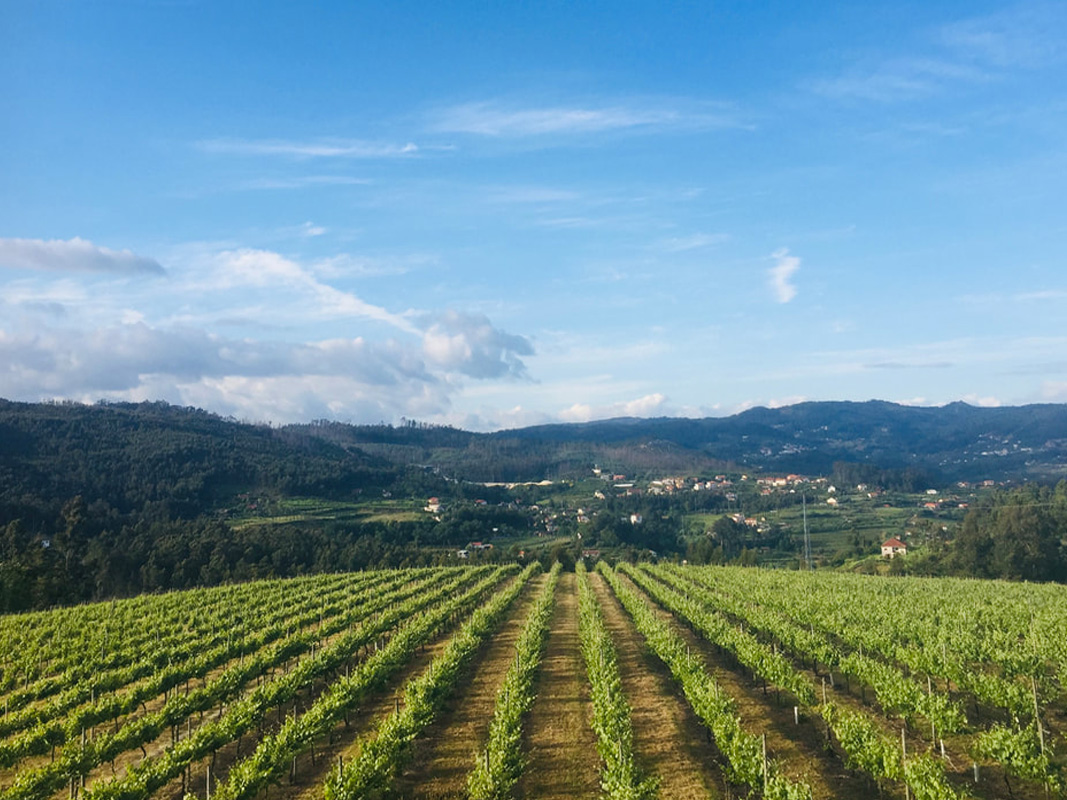
We stayed in quite a grand Airbnb house – formerly the home of a Portuguese diplomat. The estate once stretched many hectares but has since been reduced to around an acre which is planted out in grapes, fruit trees and veges. Portugal is so much cheaper than Spain – this beautiful house cost us not much more than our hostel room in Palma de Mallorca. We felt like Amarante royalty.
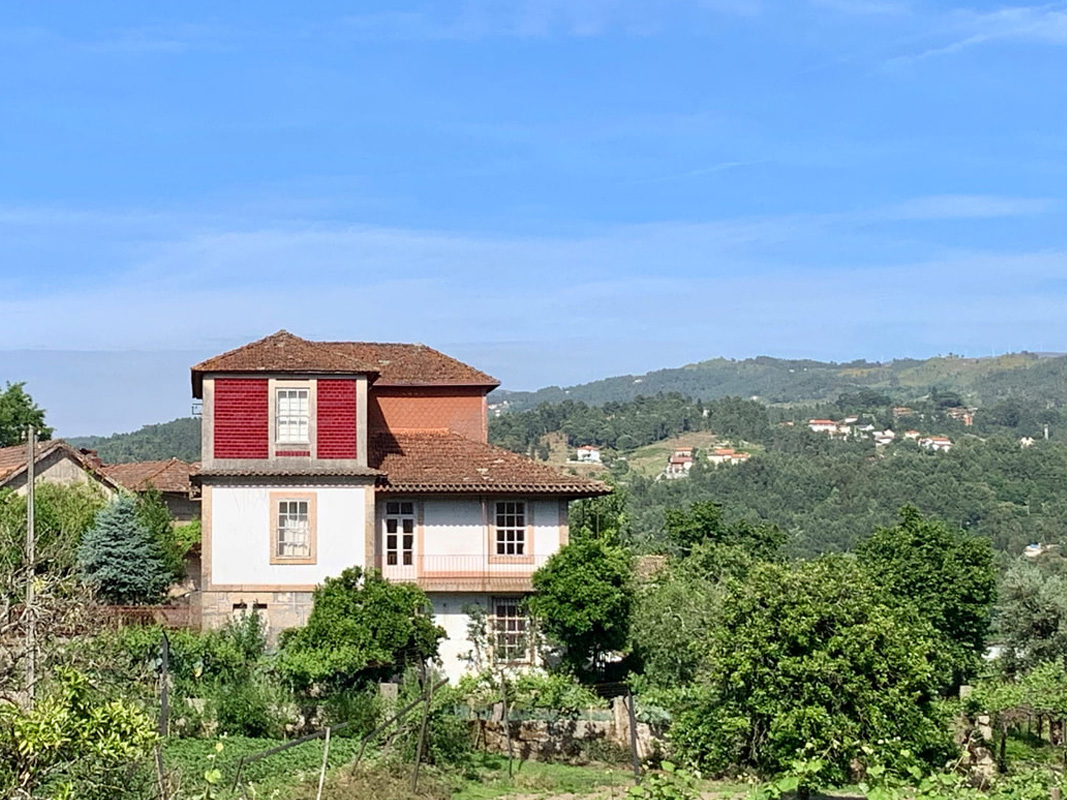
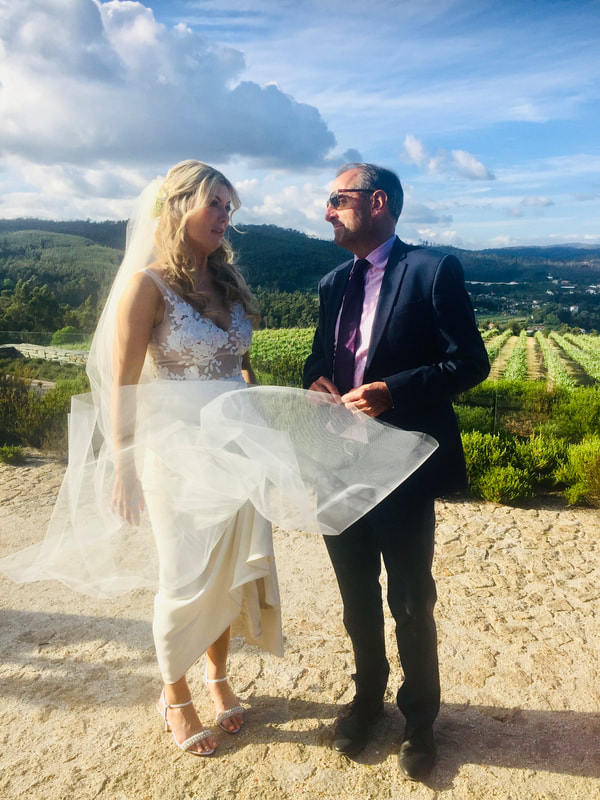
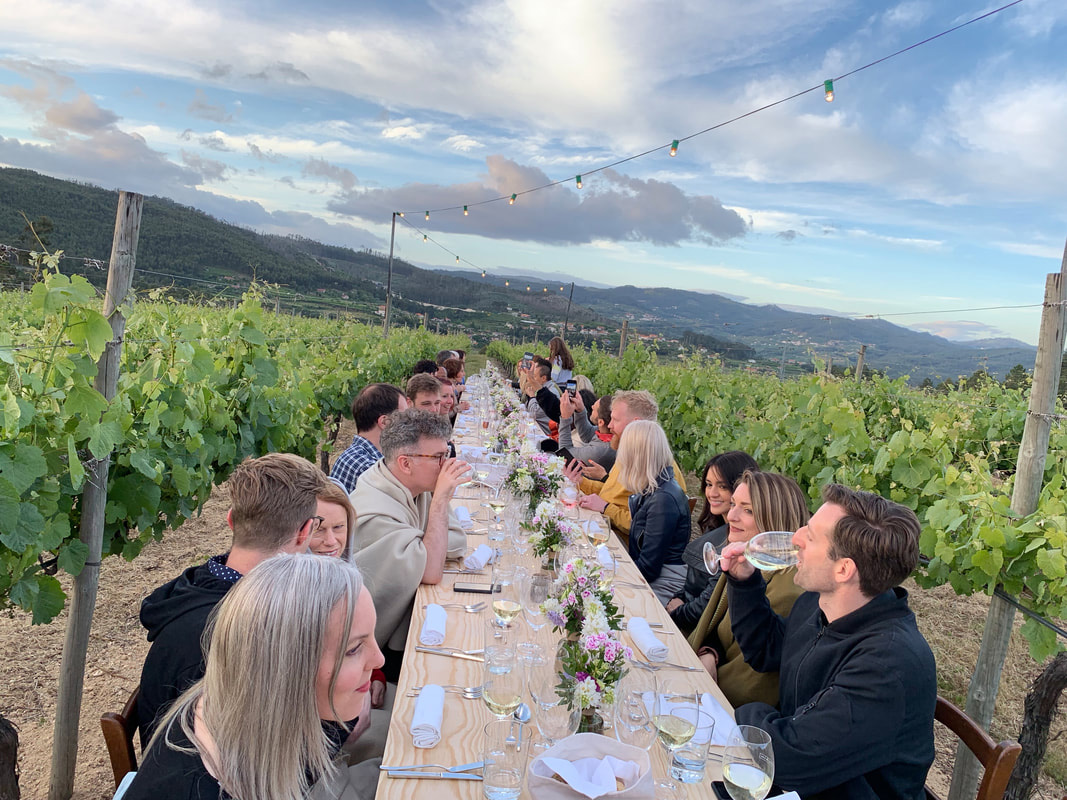
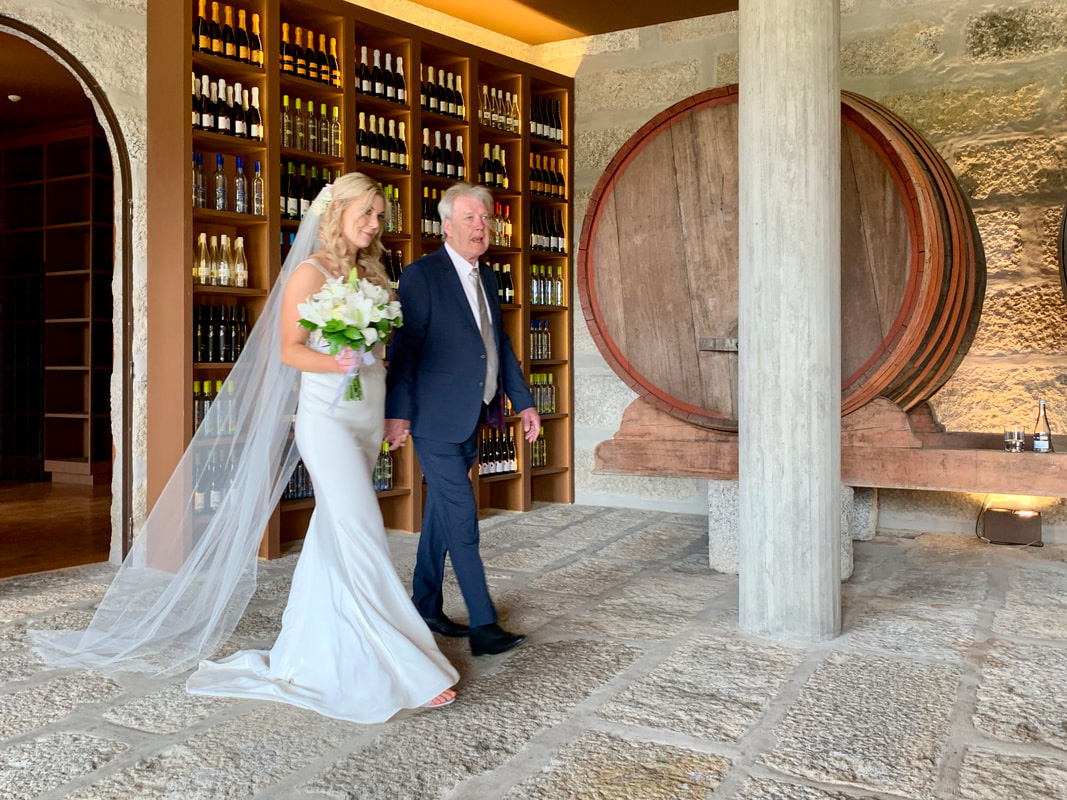
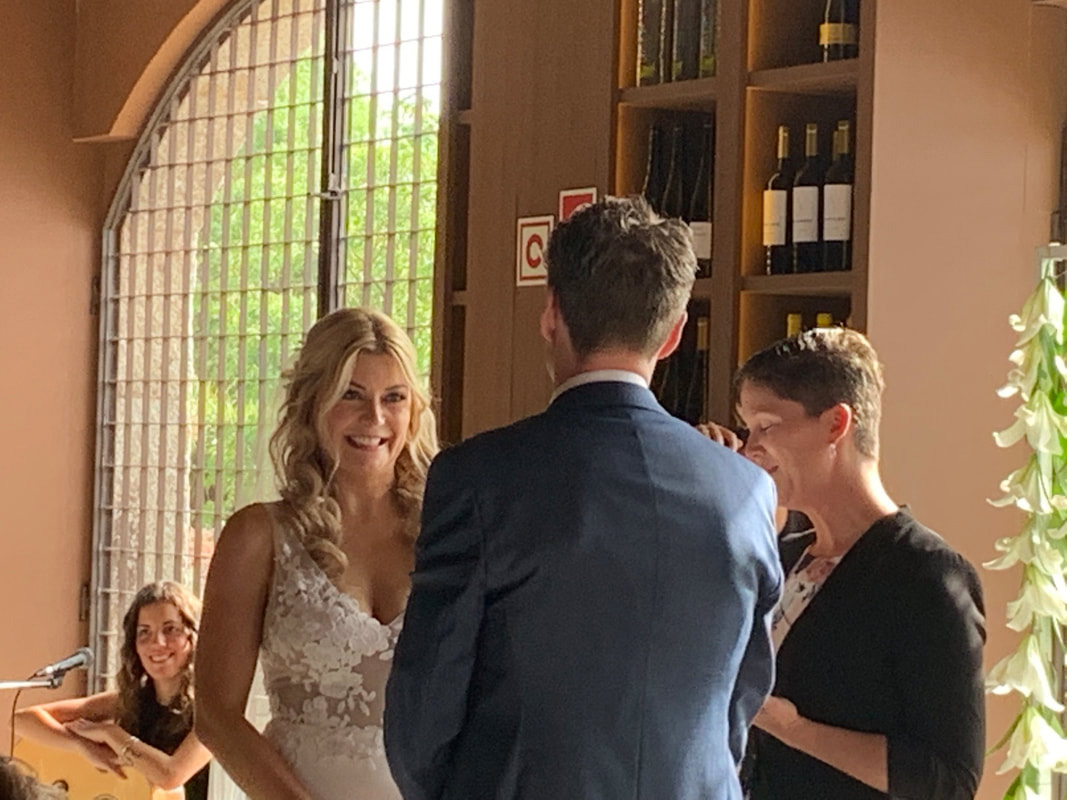
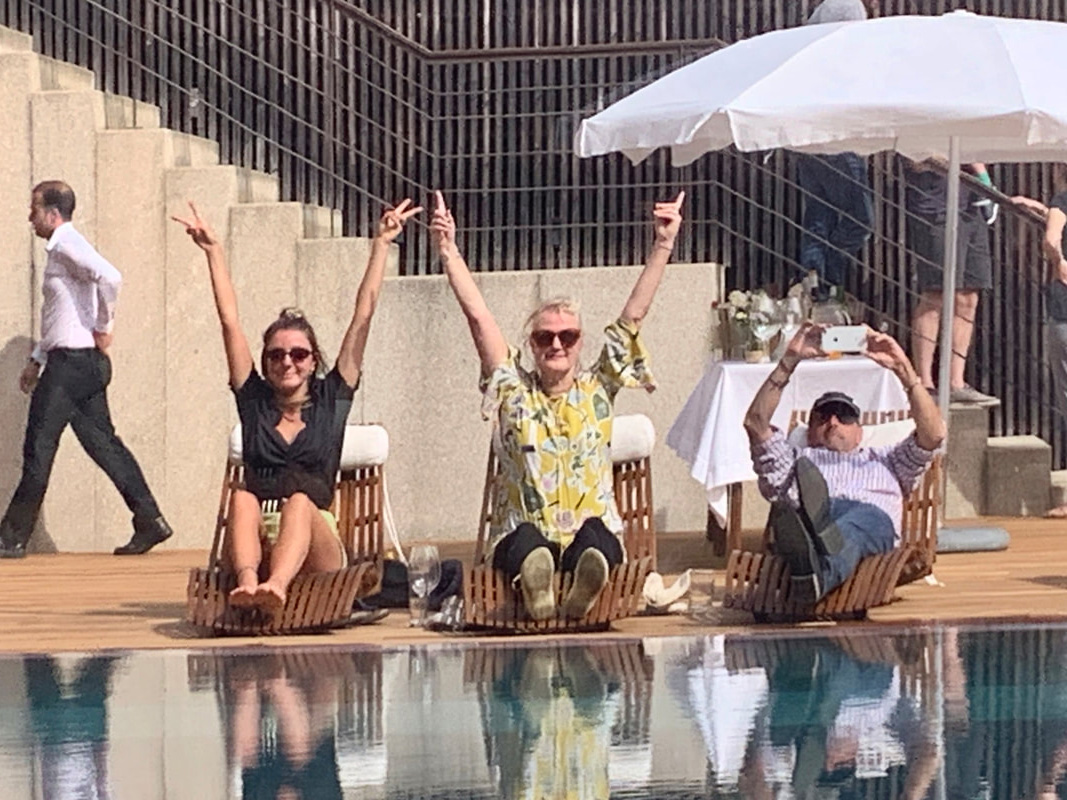
Monverde is jaw-dropping. It’s kind of out of place in this rural area with its swimming pools, spa, restaurants and luxury accommodation. Not that we were complaining of course. The wedding lasted three days – drinks and dinner in the vineyard on the first night, the wedding ceremony and formal dinner on day two with the traditional barbecue after-match on day three. It was just amazing, and we felt grateful to be invited.
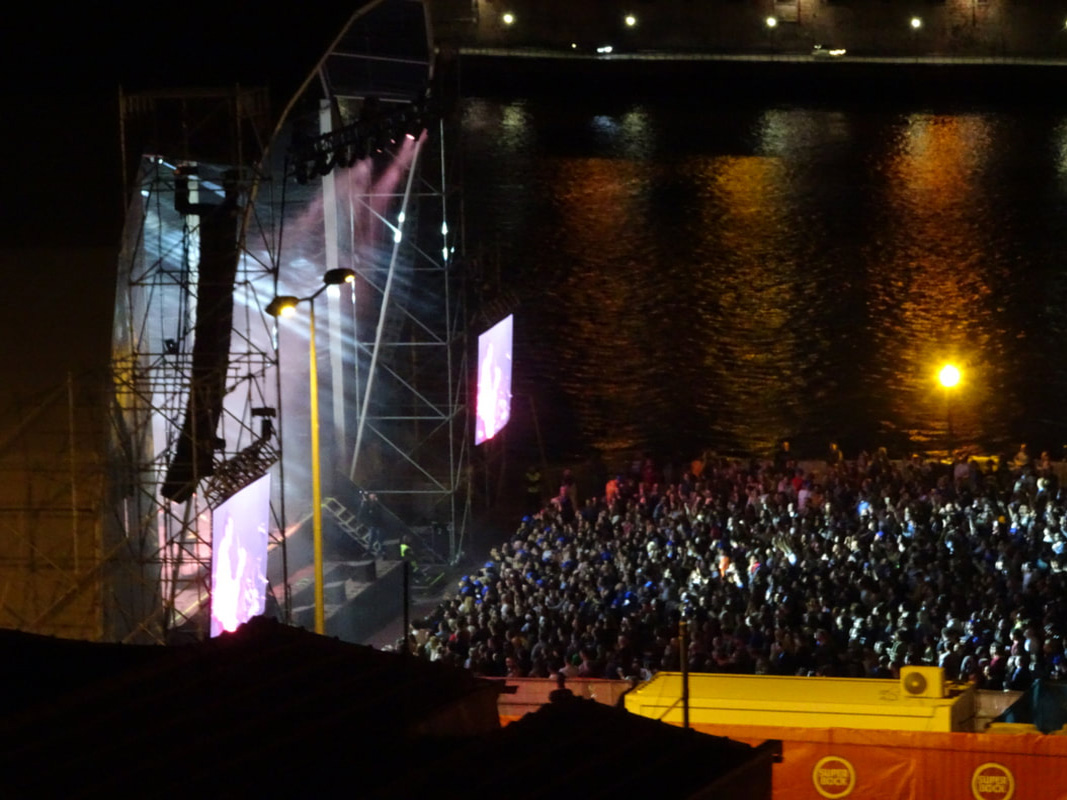
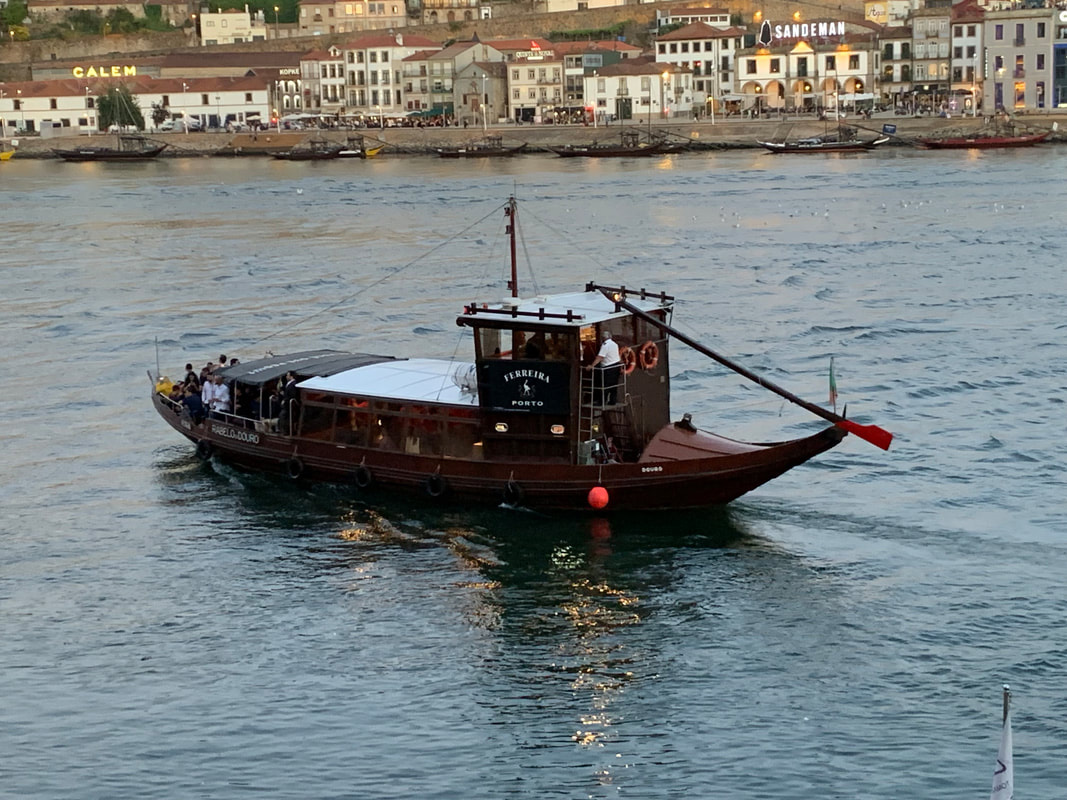
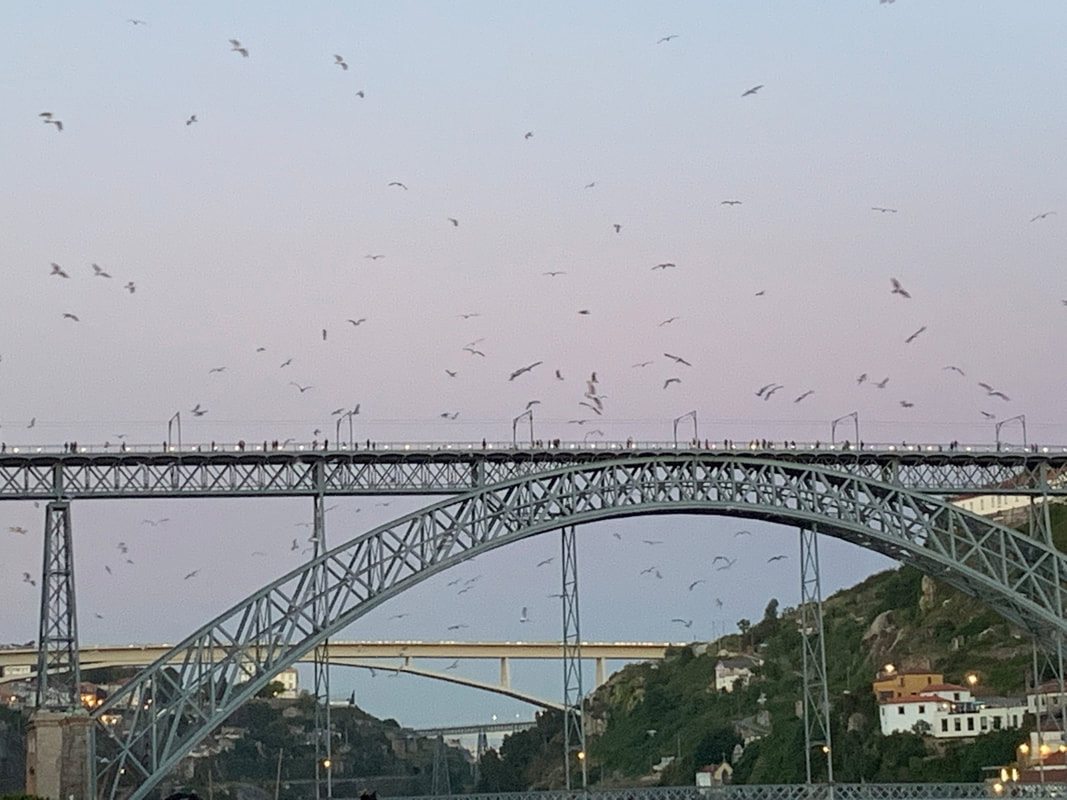
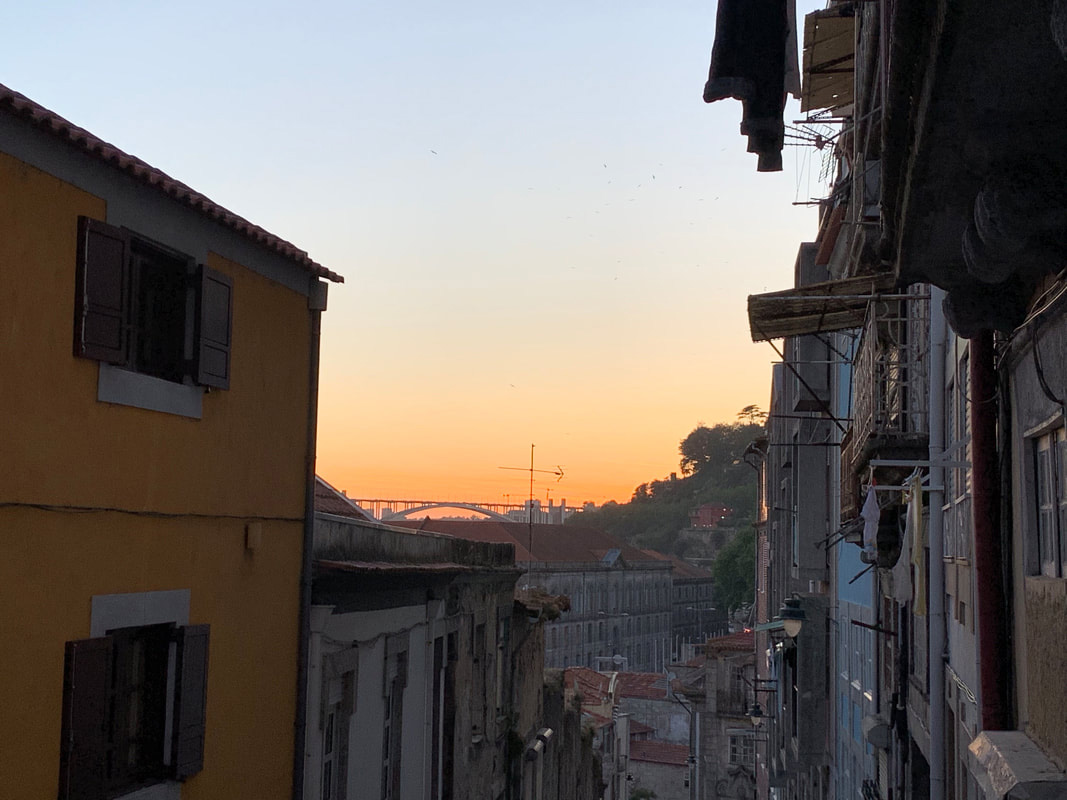
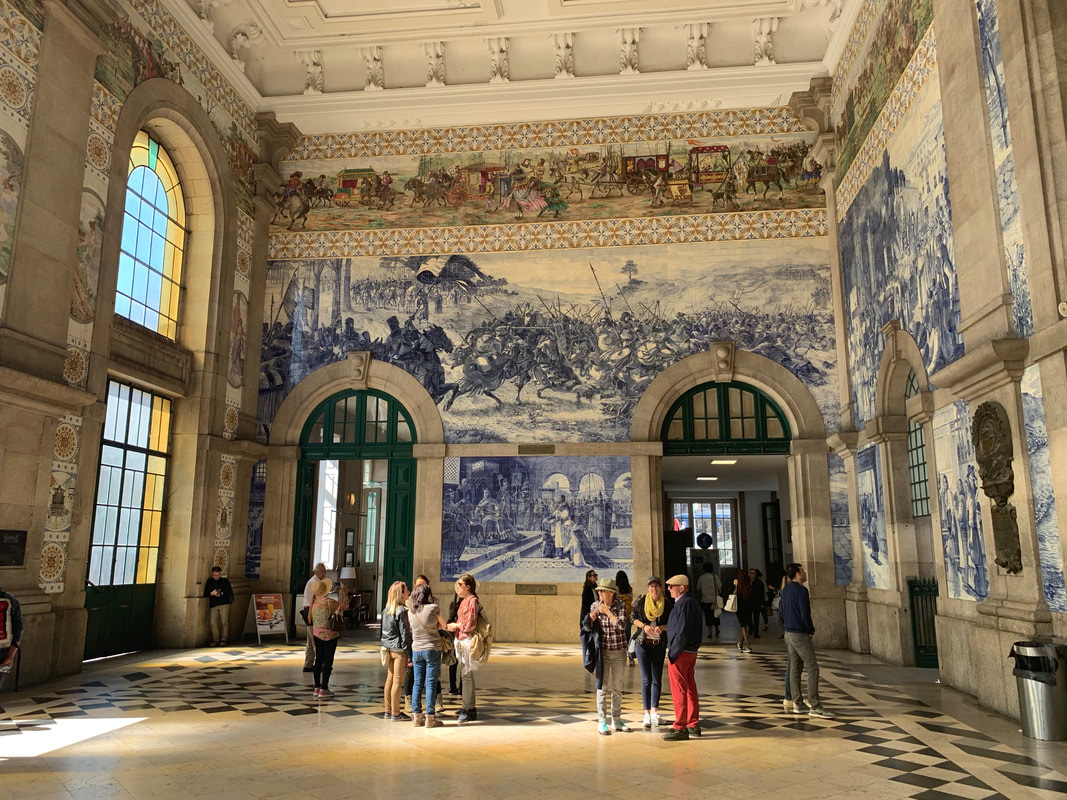
Porto is a magical city. Full of history and quirkiness. We visited the São Bento railway station which boasts some 20,000 azulejos (tiles) depicting Portugal’s past. Jo showed us the coffee shop and hotel she once frequented – the former now having turned into a MacDonalds. The highlight though was a visit to Lavaria Lello – Porto’s famous bookshop which was supposedly used as inspiration by JK Rowling when developing the Harry Potter stories. The shop was sumptuous (I can’t think of a better word) with a very Harry Potter like staircase ascending to the second floor. The shop is so popular it costs five euros just to visit – imagine having a queue of people outside your business all day willing to pay for the privilege of simply looking . . . !
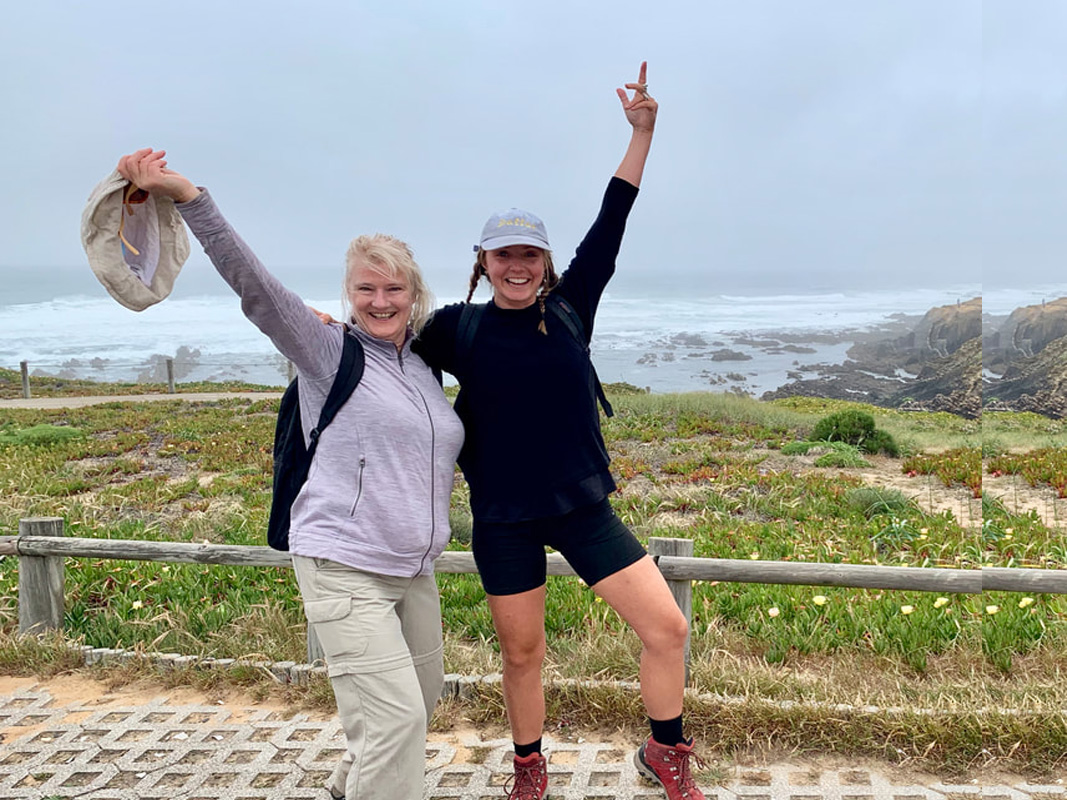
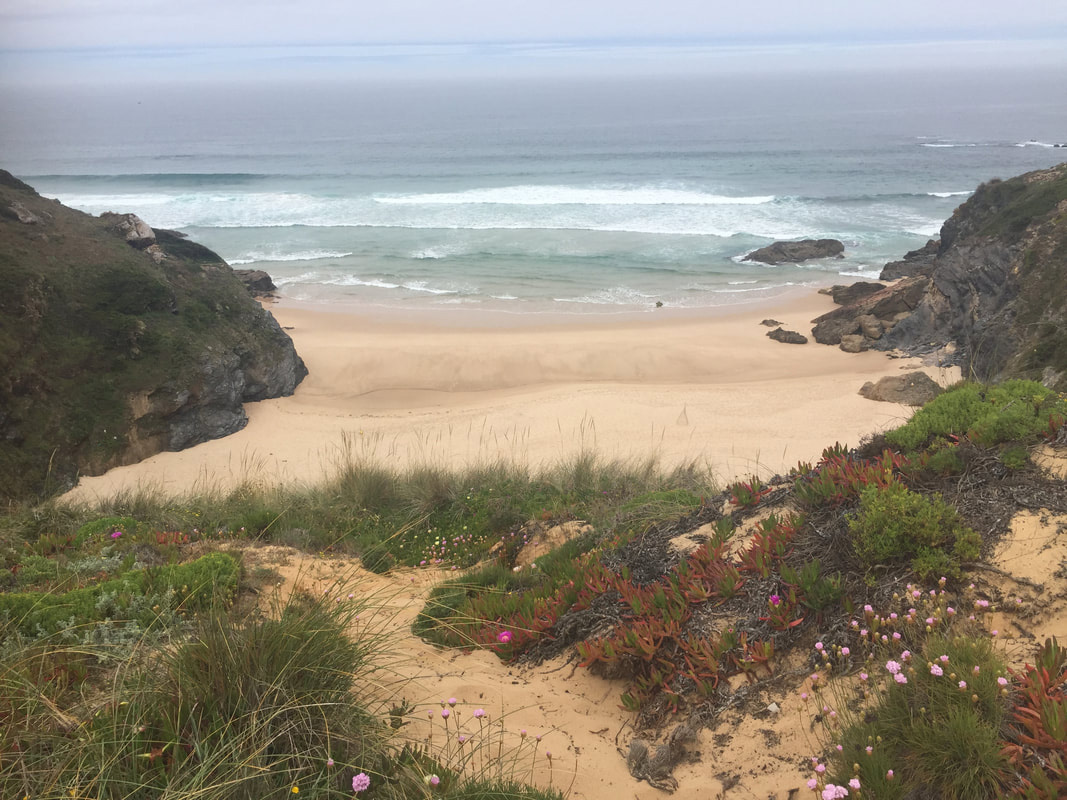
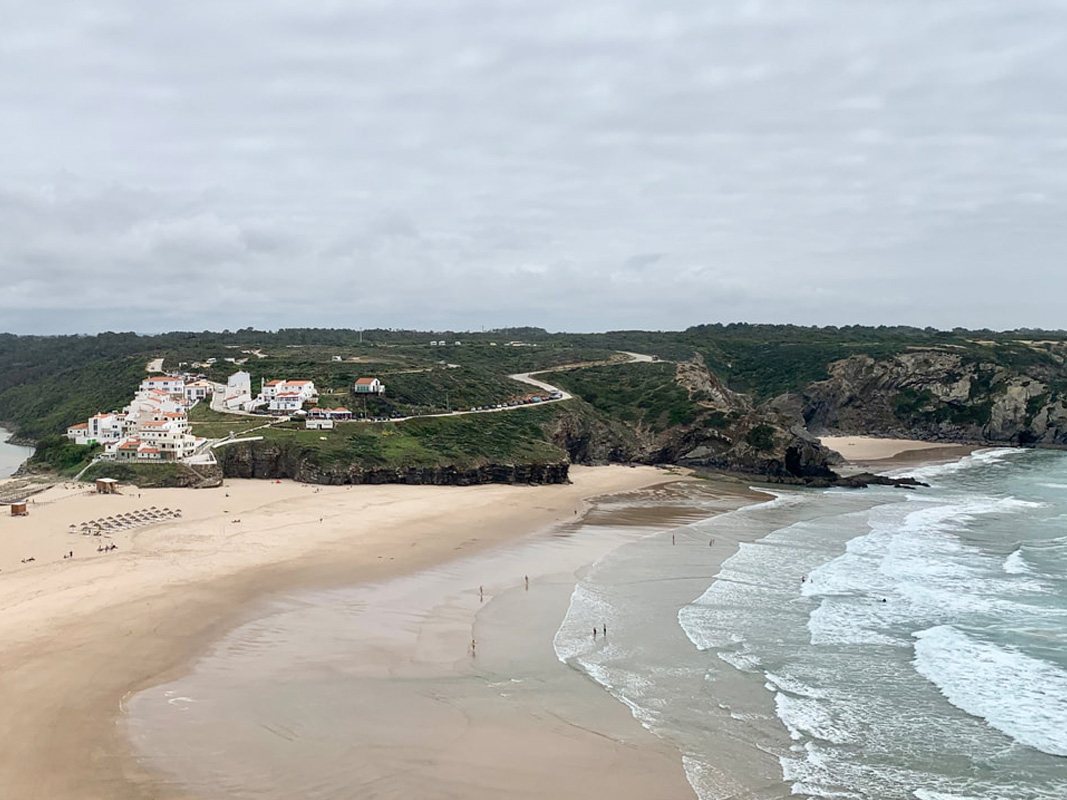
Walking the Fisherman’s Trail . . .
We picked up our rental car which turned out to be a brand new 5 series BMW. OMG I have never driven such a beautiful car. European cars are so expensive in New Zealand whereas everyone here seems to be driving around in a Merc or something else exotic. I have no idea what all the buttons do – but I am very happy they are all there, gleaming in quite a self-important manner. OK, yes we could have got something cheaper but what the hell – you only live once . . .
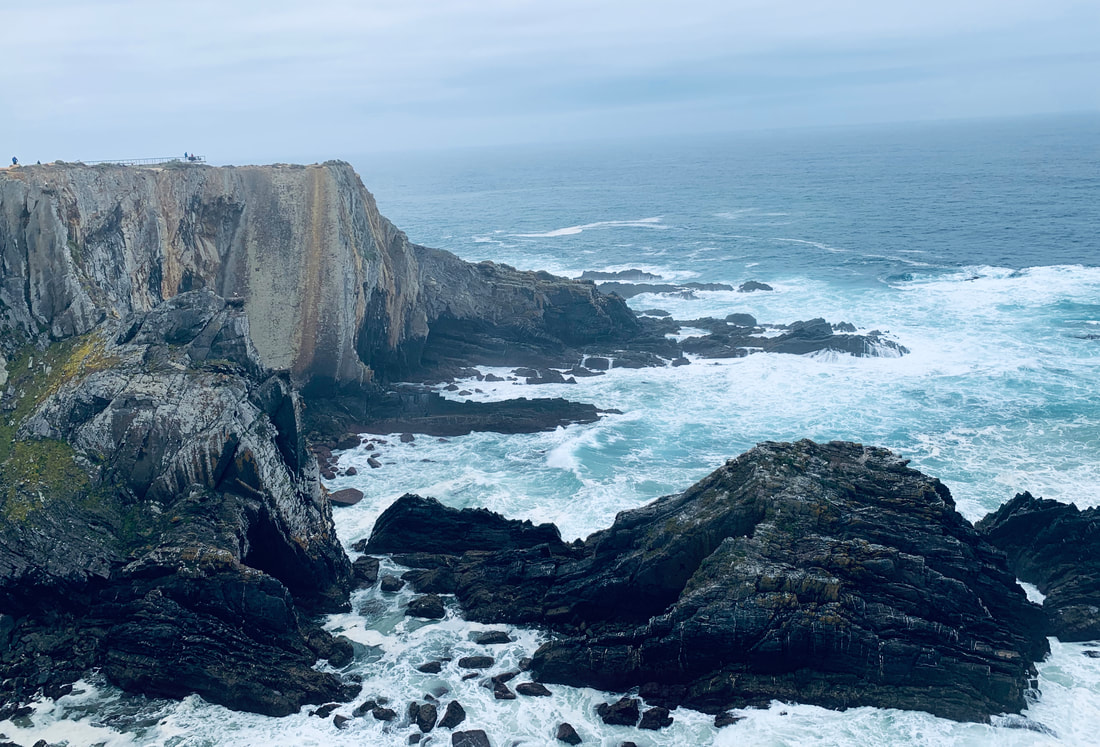
From Lisbon to Porto Covo, the start of the Fisherman’s trail, is around 170km which takes surprisingly little time on the excellent Portuguese toll roads. The speed limit is 120 km/hr and, if you happen to be so diligent as to actually travel at that speed, everyone else simply roars past you.
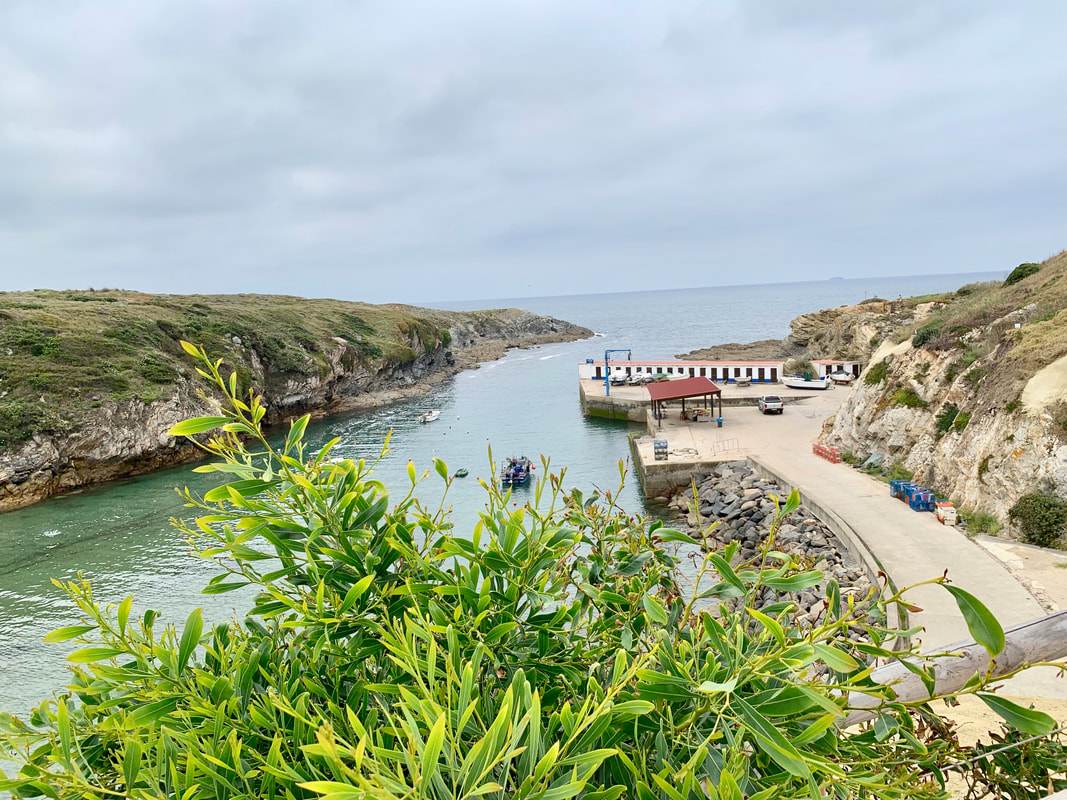
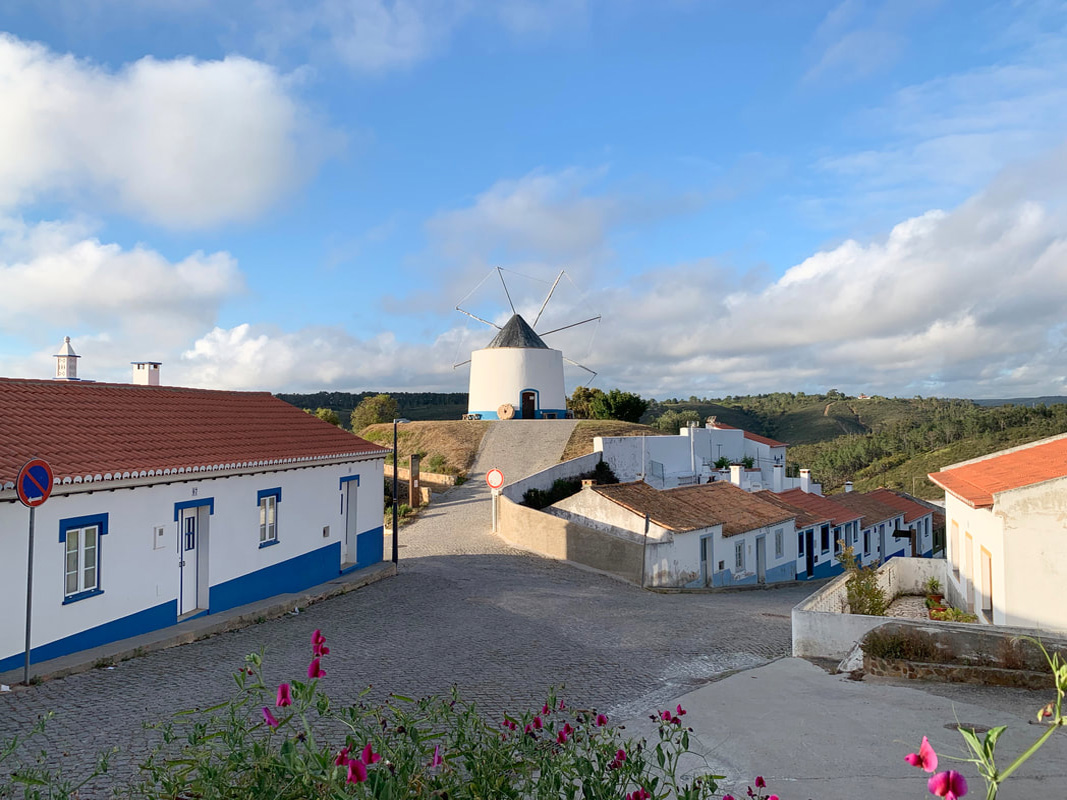
Porto Covo is an old fisherman’s village (“covo” referring to a fishing net) and our Airbnb apartment had a great view over the small natural inlet where a few fishing boats still anchor. There are only around 1,000 people living in the village, but there are signs that tourism is a big thing here, judging by the number of restaurants and shops. Surprisingly there were very few tourists to be seen – both in Porto Covo and on the trail – given the almost perfect temperatures for walking. In mid-summer it apparently gets blisteringly hot.